Why a Greek Island Retirement Has Momentum in 2026
More Americans in their 60s are weighing a sun‑soaked retirement abroad, especially on Greek islands with real, year‑round communities. As of mid‑2026, a mix of lower local costs, evolving visa options, and a steady tourism cycle keeps the idea in the headlines. The dream remains attractive, but the reality hinges on disciplined budgeting and island selection.
In practice, the path to a long life on a Greek island starts with the numbers. The image of whitewashed towns and ferries to sunlit harbors can blur the math, so readers should focus on rent, groceries, health coverage, and transport. The bottom line is straightforward: successful here’s retire greek island planning hinges on finding the right island and aligning income with living costs.
To be clear, this plan is not a one‑size fix. The quality of life varies by island, and local prices shift with seasons and the broader euro economy. Still, affordable living on a year‑round island is not out of reach for a modest pension plus Social Security if you choose carefully and test the plan in advance.
Budgeting for a Year‑Round Island Life
A practical retirement budget on a Greek island balances modest housing with local goods, health care, and occasional travel back home. A reasonable year of living costs for one person might look like this in current dollars and euros:
- Rent and utilities for a modest one‑bedroom: $9,000–$11,000 or roughly €8,000–€9,900 per year
- Groceries and tavern meals: $6,500–$7,500 or roughly €5,900–€6,900
- Private international health insurance for early 60s: $4,000–$5,000 or roughly €3,700–€4,600
- Local transport and ferries: $2,800–$3,500 or roughly €2,600–€3,200
- Property taxes if you own a home: $1,000–$1,800 or roughly €900–€1,650
- Reserves for travel home, home upkeep, and incidentals: $5,000–$6,000 or roughly €4,600–€5,500
All told, an individual living on a year‑round Greek island could expect annual costs in the $28,000–$34,000 range. That translates to roughly €26,000–€31,000 at current exchange levels. For many U.S. households, that’s well below the national average in the United States, offering a feasible path for some retirees with limited pensions.
The question is whether the income side can comfortably cover this. Social Security payouts vary, but even a modest pension plus Social Security can cover essential needs on these islands if you tune the housing and healthcare choices to fit the budget. As with any retirement move, the income‑to‑expense balance is the critical test.
For context, here’s retire greek island as a budgeting concept and a reminder that cost of living can swing by island. It’s not a universal playbook, but it’s a useful framework for people who want to compare options before booking a flight.
Which Greek Islands Provide Real Value
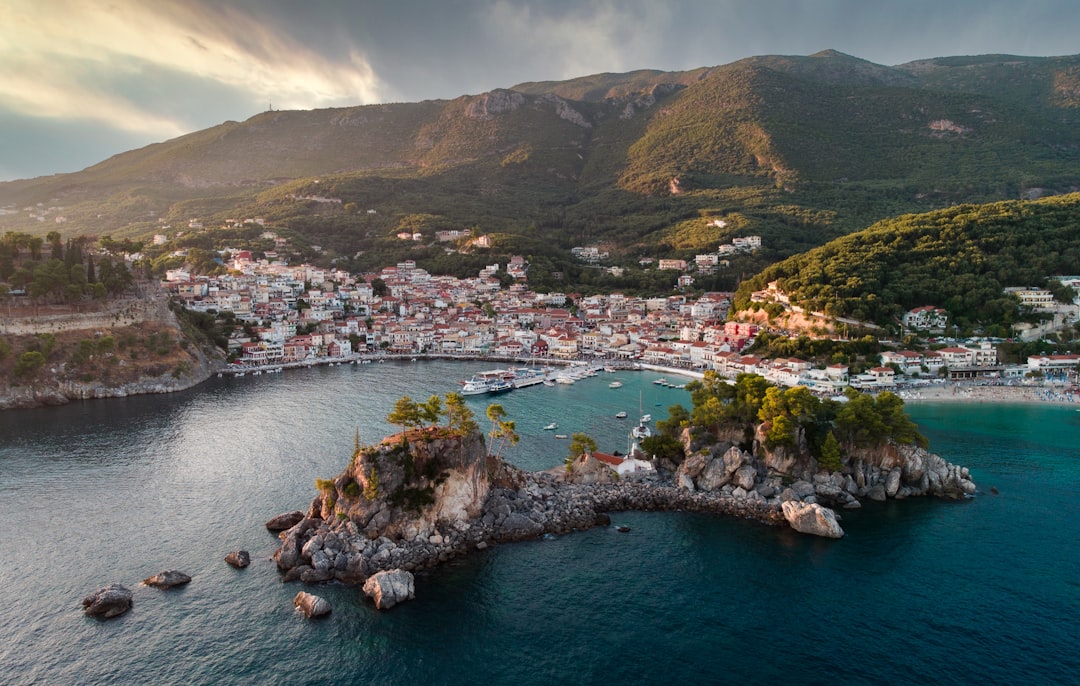
Not every island delivers the same mix of price, services, and year‑round life. The famously expensive Mykonos and Santorini target seasonal tourists and international professionals, so long‑term rents stay steep. In contrast, several other islands offer a sustainable balance for retirees relying on fixed income:
- Crete (especially outer areas around Chania and Rethymno)
- Lesvos and Chios in the northeast Aegean
- Kalymnos, Syros and Kefalonia outside the tourist peak
On these islands, a one‑bedroom rental typically lands in the €500–€800 per month range, while a small, traditional two‑bedroom home far from the harbor can cost roughly €100,000–€180,000 to buy. Local real estate agents note that the market remains reasonable for buyers who look beyond the waterfront and summer hotspots.
In practical terms, a single retiree can live comfortably in a modest rental, with a reliable supply of groceries and local eateries, for a total well under the U.S. average household spend. The cheaper island options provide a meaningful margin if a retiree’s Social Security income and pension are modest but steady.
The math is clearer when you see the numbers side by side. A retiree who chooses a lower‑cost island might trim housing costs by nearly half compared with expensive tourist centers, while still enjoying the same Mediterranean climate, safety, and a sense of community.
Healthcare, Visas, and Everyday Life on the Ground
Healthcare is a central consideration for retirees. International health insurance with access to Greek hospitals and clinics is essential for peace of mind. The average premium for early 60s retirees tends to be in the several thousand dollar range annually, depending on coverage and age bands. Local clinics and affiliated networks on larger islands provide service in Greek and English in many cases, and some expats report positive experiences with private facilities.

Visas and residency requirements are an ongoing topic for retirees. While the policy landscape shifts, a common path involves demonstrating a steady income stream and maintaining a presence on Greek soil. Prospective retirees should work with an immigration attorney or a retirement specialist to map out the steps, gather documentation, and understand renewal timelines.
In daily life, life on a Greek island means learning a new pace and a few local customs. Markets may close in the afternoon for a siesta, ferries run on regular but seasonal schedules, and English is widely spoken in tourist hubs while less so in remote villages. A blended approach—learning some Greek phrases, building a small local network, and planning occasional trips back to the United States—helps offset the isolation that can come with living far from family.
A Step‑by‑Step Plan To Test the Idea
Retiring on a Greek island is most likely to succeed when you test the concept first. Here is a practical checklist to start the process:
- Pick two or three target islands that balance price with access to healthcare and a basic expat network
- Run a living‑cost trial for at least six months using a local rental and a commuter plan for health insurance
- Consult a Greek tax and residency expert to map visa options and annual reporting needs
- Secure a fixed income plan with Social Security and pension expected stability for 10–20 years
- Visit during both winter and peak tourist season to understand year‑round life
A practical test helps retirees avoid a time when they realize the reality does not match the dream. If the test shows solid footing, a transition plan can be laid out with real estate and healthcare strategies tailored to the chosen island.
Market Conditions and The Real‑World Outlook
Currency dynamics, inflation, and energy costs influence the overall cost of living. The euro has shown resilience, and the Greek economy has continued to attract investment in infrastructure and tourism. For retirees, the key takeaway is that a carefully chosen island can offer a lower cost base and a higher quality of life than many inland areas in the United States, provided the budget and health needs are aligned.
Ultimately, the decision to pursue here’s retire greek island rests on the intersection of income certainty, housing costs, and healthcare access. With thorough planning and the right island choice, a comfortable, sunlit retirement remains within reach for some families and savers who are willing to adjust expectations and embrace a slower pace.
Bottom Line
Retire on a Greek island on Social Security in your 60s is not a fantasy, but it is a careful budgeting exercise. The islands that combine affordable rents with real year‑round communities offer the best odds of success for retirees with modest pensions. If you chart costs, test the plan, and choose a supportive island, the dream of a sunlit, Mediterranean retirement can become a concrete reality.
Discussion