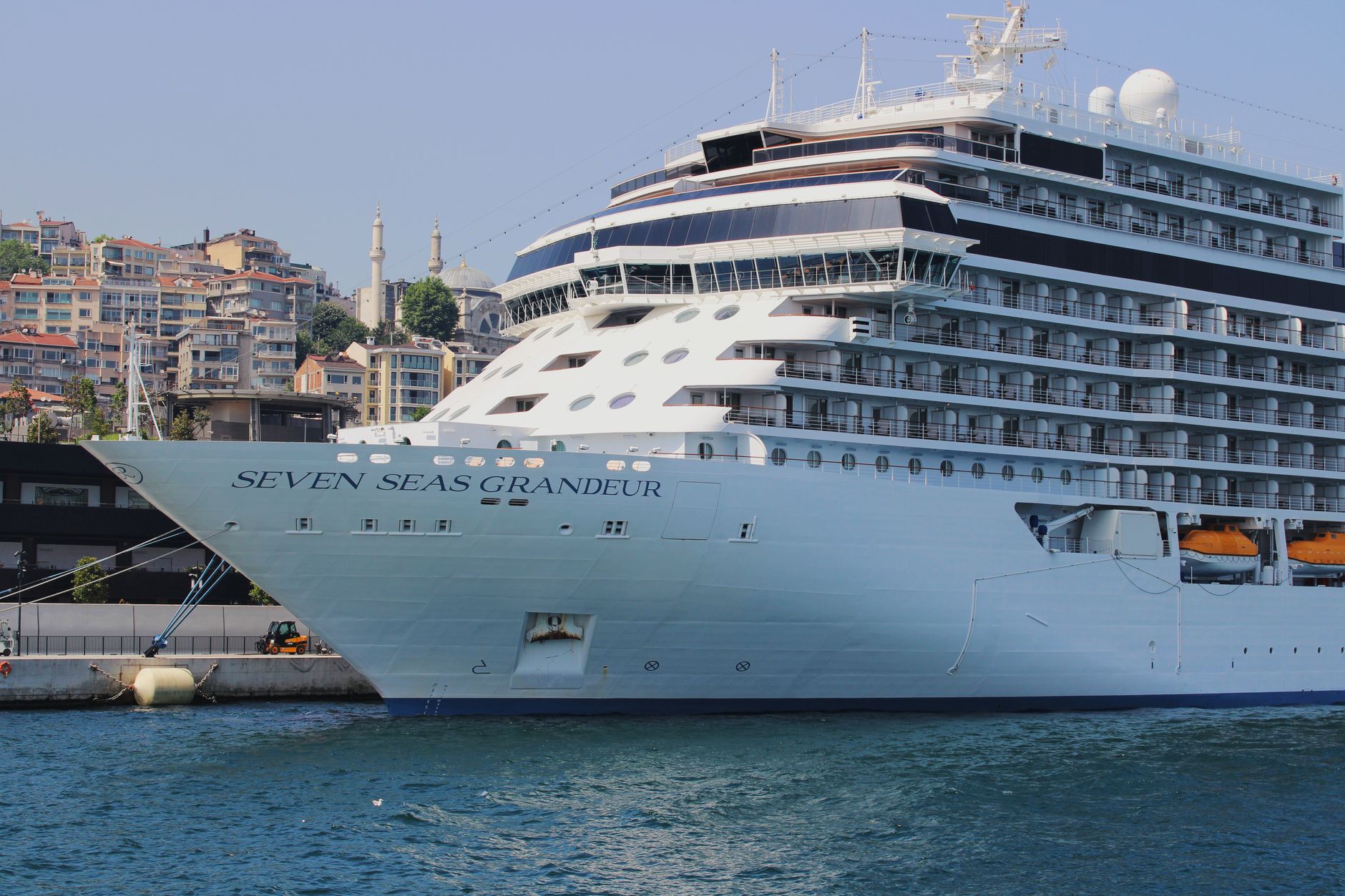
Live on the Water in 2026: The Big Question
The appeal of a retiring cruise ship dream has resurfaced as the cruise industry shows signs of a sustained rebound. For retirees and near-retirees, the idea promises a life with daily housekeeping, meals included, and new ports every week—without property taxes, lawn care, or mortgage payments. But the math behind living at sea changes quickly with decades of ship upkeep, medical needs, and the unpredictability of private operators. This story looks at two main paths, real costs, and what it means for investors watching the market shift.
Financial markets aren’t just about what happens on land anymore. In June 2026, investors are watching cruise stocks rebound after a rough stretch in the pandemic years. That rebound has a flip side: the more a plan sounds like a dream, the more important it is to separate romance from reality. The focus is simple: can a long-term, floating retirement work as a viable plan, or is it a costly fantasy that could outpace your savings?
Two Paths to a Waterbound Retirement
There are essentially two routes to a life at sea. Each has its own economics, tail risks, and lifestyle implications.
- The traditional cruise plan: Travelers sign up for back-to-back itineraries on mainstream lines, paying for a cabin, onboard spending, and gratuities. The result is an all-in annual spend that can range widely but typically lands north of six figures for a couple and a bit less for solo travelers who maximize discounts and loyalty perks.
- The residential cruise model: Some firms offer shipboard ownership or long-term residency on purpose-built vessels. Upfront costs can be substantial, and ongoing fees cover maintenance, insurance, and operating expenses for years ahead. The long horizon and reliance on a private operator are key risks to consider alongside any dream of lifetimes at sea.
For the sake of clarity, here’s how the two paths generally stack up in real-world budgeting terms, updated for 2026 market conditions:
- Traditional cruises: Annual all-in costs frequently run between roughly $75,000 and $120,000, depending on cabin type, itinerary cadence, and levels of onboard spending. A single retiree in a balcony cabin can expect to spend in the vicinity of $85,000 per year when factoring in tips and internet access.
- Residential cruise options: Ownership or long-term residency can start with upfront buy-ins around six figures, with lifetime-use or limited-use arrangements typically requiring six-figure commitments. Monthly service fees for residents commonly range from about $2,000 to $4,000 per person, with high-end suites commanding steeper price tags and long-term agreements.
It’s easy to see how the two paths diverge. Traditional cruising offers flexibility and easier cancellation, while residential models promise year-round access and a steadier lifestyle—but at a much larger, less liquid upfront cost and a dependence on a private operator’s financial health for decades.
Hidden Costs and Tradeoffs
Beyond sticker price, the real budget involves a host of ongoing considerations that can throw off even careful plans. These are the factors that determine whether a retiring cruise ship dream remains a fantasy or starts to look like a credible option.
- Maintenance reserves and insurance: Ships require continual upkeep, hull inspections, and coverage for health, liability, and environmental risks. A sudden hull issue or medical evacuation can drain savings quickly.
- Healthcare access: Retirees often underestimate the ongoing health costs and the need for robust international coverage or on-board medical arrangements that can be expensive and logistically complex.
- Operator risk: Residential concepts depend on the financial health and long-term viability of the operator. If the company experiences cash flow issues, residents could face service disruptions or higher fees to keep the vessel running.
- Liquidity and resale: Selling a stake or exiting a residential arrangement can be far less liquid than a traditional home sale. Market demand for sea-based residences may be cyclical and influenced by macro conditions.
- Longevity and lifestyle fit: A long life at sea means more time with confined living spaces, possible isolation, and the need for ongoing social and medical support systems that may not be available in every port of call.
For someone chasing the private-ship option, the questions aren’t just about the price tag. They include: who operates the ship, what happens if the company needs to raise more capital, and how a future aging body will handle long periods away from land-based services.
The Market Backdrop: Where the Industry Stands
The cruise sector has faced a volatile period, but the tide appears to be turning in mid-2026. Investors eye a rebound in demand after years of supply constraints and fluctuating fuel costs. The industry’s recovery is supported by resilient leisure demand, a return of onboard amenities, and a broader rebound in consumer confidence after a volatile economic stretch.
Analysts say that a rising tide helps both traditional itineraries and more ambitious residential concepts, but for the latter, the financial structure remains the wild card. A senior analyst notes: “The appeal of a perpetual ocean view is powerful, but the long-term viability depends on disciplined capital planning, rigorous maintenance funding, and a sound reserve strategy.”
Executives caution that even in a favorable market, not all ships or models will make it. The industry is watching for debt levels, insurance costs, and the ability of new residential concepts to scale without compromising service or safety. In this environment, a true retiring cruise ship dream must survive not only the sea but also a complex financial ecosystem that spans decades.
Real-Life Scenarios and Expert Insight
To gauge how this plays out in practice, several voices weigh in on the math and the lifestyle implications. These perspectives highlight why the dream can be compelling, yet why prudent planning remains essential.
Jane Carter, a retirement analyst at MarketPulse, describes the allure this way: “There’s a powerful pull to wake up to a new port every week, with daily housekeeping and no lawn to mow. The problem is that the deeper you look, the more you have to account for the long horizon and the ship’s ongoing costs.”
Captain Miguel Santos, a former cruise line executive turned consultant, adds a cautionary note: “Ship life isn’t a perpetual holiday. You’re betting on the operator’s ability to keep a complex vessel, its crews, and medical facilities funded for 20, 30, even 40 years. It’s a different kind of investment risk.”
For those already chasing the dream, some retirees share their experiences and lessons learned. Susan Park, who briefly explored residential models, explains: “I realized I loved the idea of keeping options open, but the upfront costs and long-term commitment didn’t align with my retirement goals. It’s not just a price tag; it’s a life plan.”
Is It a Retiring Cruise Ship Dream or a Financial Slip?
The verdict for the weekend reader who is weighing a retiring cruise ship dream comes down to a single question: what is your time horizon, liquidity tolerance, and appetite for risk? If your goal is a carefree, ocean-locked lifestyle, the romantic appeal is undeniable. If your goal is a stable, predictable retirement funded by diversified assets, the math becomes far more complex—and potentially less forgiving.
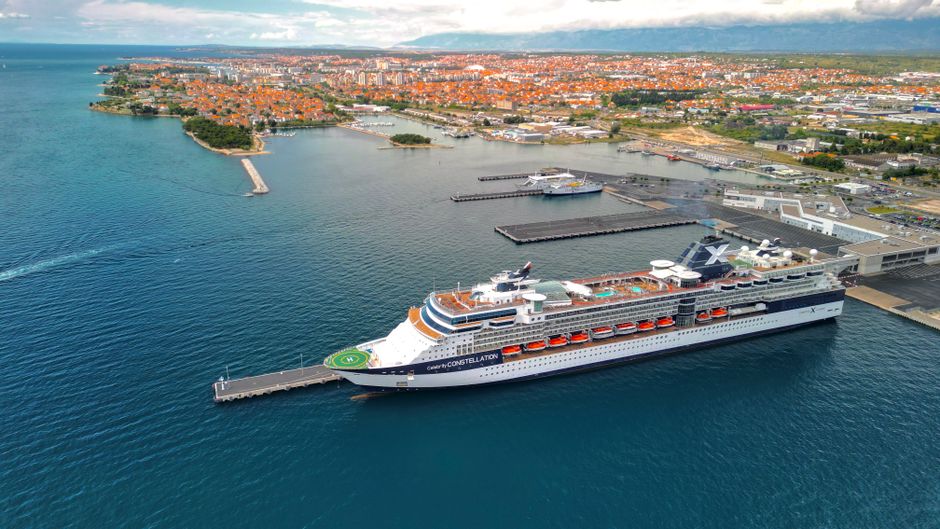
Key takeaways for investors and potential residents:
- Stay grounded in costs: Be conservative with estimates for annual living costs or long-term maintenance fees. Build a buffer for unexpected repairs, medical needs, and potential rate increases in private-operating arrangements.
- Assess operator viability: Examine the financial health, capitalization plan, and governance structure of any residential ship concept. A ship is only as good as the company keeping it afloat.
- Plan for liquidity: Factor in how you would exit a long-term waterfront living arrangement. The market for shipboard real estate and long-term residency can be illiquid, especially in downturns.
- Balance with traditional retirement assets: Diversified portfolios, including equities, bonds, and cash reserves, can offer more resilience if ship-based plans need to be adjusted or abandoned.
For now, the evolving market suggests that the retiring cruise ship dream remains a rare, high-cost option rather than a mainstream retirement plan. It’s a bold lifestyle concept, but the numbers require disciplined planning, not wishful thinking. The more you learn, the more you realize that a life at sea, while appealing, is also a long-term financial commitment that demands careful risk management and a clear exit strategy.
Final Take: Does the Dream End in Reality?
The debate continues as more households explore alternatives to traditional home ownership in a world of rising costs and shifting retirement expectations. A retiring cruise ship dream may still lure some, but it will require a framework that accounts for decades of maintenance, governance, and health considerations. For many, the dream ends up guiding them toward a well-thought-out, land-based retirement plan that preserves the romance of travel while safeguarding financial stability.
Discussion