Rivian Rallies as R2 Launch Dampens Skepticism
Rivian Automotive (RIVN) moved higher on Friday, climbing roughly 8% in late trading after investors digested a robust quarterly report and the formal kick-off of its next generation model program. The stock traded around the mid-teens, extending gains from Thursday’s close and outpacing a broad market that showed mixed action in electric-vehicle peers.
At the heart of the rally is the R2 platform transition—Rivian’s upcoming architecture that the company has pitched as a higher-margin leap forward. The market also welcomed stronger software revenue growth, which investors see as a potential long-term driver of profitability even as hardware cycles remain capital intensive.
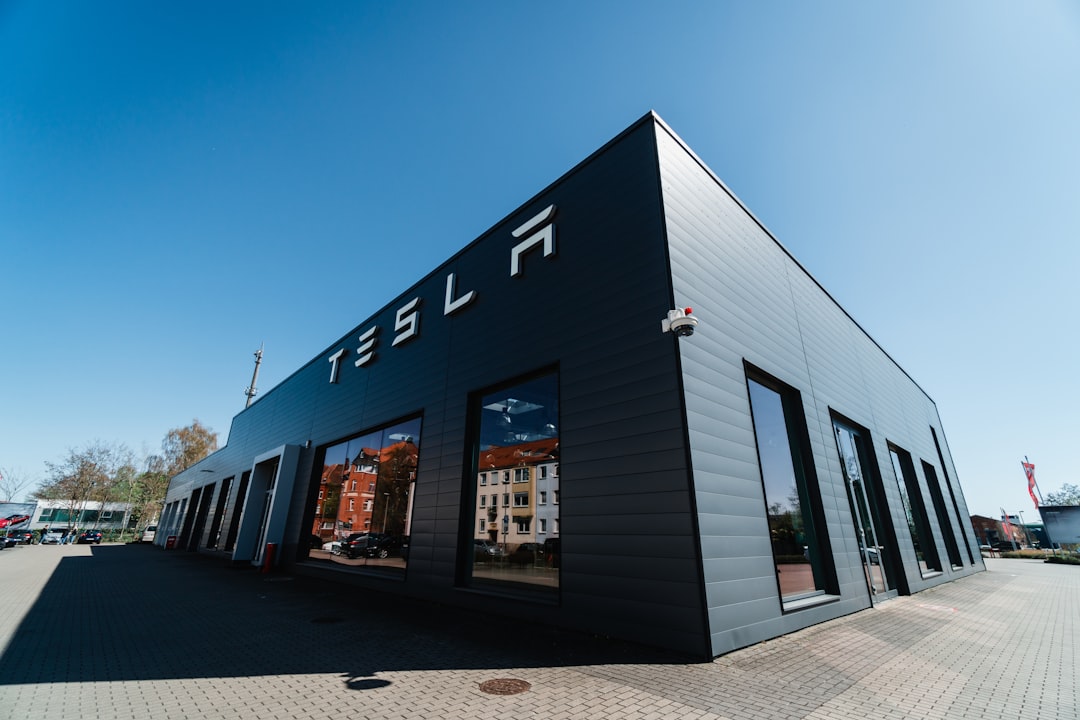
Tesla and NIO, by contrast, drifted lower or stuck in a narrow band, underscoring a market that is favoring developers of software-led value chains within EVs. The day’s price action framed Rivian as a focal point for a rally narrative that capitalizes on product cadence and backend services, rather than only raw vehicle volumes.
Key Financials and R2 Milestones
Rivian’s latest quarterly numbers were the first concrete signal investors used to judge the R2 launch trajectory. The company posted revenue near $1.38 billion, topping consensus expectations of about $1.37 billion, according to quarterly disclosures. The better-than-expected top line came as deliveries rose about 20% year over year to 10,365 units, highlighting a growing scale that could underpin healthier operating leverage in the near term.
Beyond revenue timing, the company emphasized a structural advantage in its cost stack for the R2. Rivian noted that production bill of materials for the new model would be roughly half of the R1, a claim that could translate into improved margins if execution meets targets and demand remains resilient through the year. The R2 push is a core element of the bull case for Rivian, even as market participants watch for real-world margin expansion and sustained software monetization.
- Q1 revenue: about $1.38 billion vs. consensus $1.37 billion
- Deliveries: 10,365 units, up 20% YoY
- R2 BOM (bill of materials): ~50% lower than R1
- Rivian Software and Services revenue: $473 million, up 49% YoY
The company also reiterated its long-run goal of shipping between 62,000 and 67,000 vehicles for the full year, a target that sits at the higher end of the EV market’s growth expectations for a second-tier player with ambitious manufacturing ramp plans.
Software Growth Amplifies the Margin Narrative
Rivian’s Software and Services division posted another double-digit beat, signaling the potential for higher gross margins as recurring software revenue scales. Revenue for the segment reached $473 million, an increase of about 49% from a year earlier. While hardware still weighs on near-term results, software growth is increasingly shaping investor sentiment about how the company can convert vehicle sales into a broader ecosystem play.
Analysts have often argued that the real profit engine for a modern EV maker is less about selling each car and more about the software and services stack that can yield repeatable, high-margin revenue. Rivian’s progress on software is viewed as a critical differentiator against traditional automakers and newer entrants who struggle to convert software into meaningful profitability.
Strategic Backing: VW Accelerates Support
The market reaction was bolstered by a strategic move from Volkswagen AG, a notable institutional backer of electric mobility, which expanded its exposure to Rivian. VW acquired approximately 62.9 million Rivian shares at about $15.90 per share and injected $1 billion into the RV Tech joint venture, a collaboration designed to accelerate vehicle architecture, software development, and charging infrastructure synergy between the two companies.
Industry observers see VW’s investment as a clear vote of confidence that Rivian’s path to profitability can be accelerated through scale, cross-vehicle software integration, and access to a broader supplier network. The move also signals that large automakers are willing to double down on partnerships that can push Rivian toward higher-margin production cycles and more robust software monetization opportunities.
Market Context: Tesla and NIO Stall
In contrast to Rivian’s rally, peers Tesla and NIO faced selling pressure or flat trading as investors rebalanced bets around supply chains, gross margins, and the pace of new model rollouts. Tesla stock edged lower on the session, while NIO also drifted into the red, suggesting that capital is allocating to opportunities with clearer near-term catalysts tied to product cadence and software-led monetization.
The sector-wide backdrop remains a mix of growth optimism and execution risk. For Rivian, the R2 launch and the software growth story represent a tangible, company-specific catalyst that can sustain outperformance even as the broader market contends with macro headwinds and rate expectations that impact luxury and discretionary spending in EVs.
Delivery Outlook and Profitability Path
Rivian continues to project a delivery pace consistent with a growing order book, with full-year targets in the 62,000 to 67,000 range. The company has stressed the need to balance high-volume production with cost discipline, particularly as it scales R2 manufacturing and ramps up software revenue streams. Investors are weighing whether the current mix can translate into meaningful margin expansion in the second half of the year, particularly if the R2 platform achieves higher-than-expected acceptance and if the software business can sustain rapid growth without eroding price realization.
What Investors Are Watching Next
Near-term attention will focus on how Rivian navigates the R2 ramp, the real-world cost savings from the lower BOM, and the pace at which software revenue sustains above-trend growth. Investors will also parse any additional details from VW and other partners about collaborative initiatives, including shared platforms, charging networks, and potential joint procurement savings that could strengthen Rivian’s unit economics.
The broader market will similarly parse the interplay between capital markets and EV demand, especially as manufacturers recalibrate production backlogs and price positioning in a world where consumer competition remains intense. For now, Rivian has established a clear narrative that frames the company as a software-enabled hardware play with a potential path to profitability, a narrative that resonates with traders looking for visibility on returns beyond unit volume.
Analyst Pulse: A Cautious Optimism
Market observers say the R2 rollout, combined with a meaningful software revenue ramp and strategic backing from a major automaker, should help Rivian narrow the gap to profitability over the next few quarters. The stock’s move reflects a broader appetite for EV-related plays that combine tangible production progress with scalable software monetization. Still, skeptics point to the pace of cost reductions and the risk that R2 production milestones slip, which would temper the current enthusiasm.
In this environment, the phrase rivian rallies tesla can appear in headlines as traders and researchers look for leadership signals in a crowded field. The stall in Tesla and NIO provides a counterpoint, reminding investors that narrative strength alone cannot replace execution on margins and cash flow. The upcoming quarterly results and manufacturing updates will be the next critical checkpoint for both the bull and bear camps.
Bottom Line
Rivian is trading in a zone where product cadence, software monetization, and strategic capital allocation collide. The R2 launch sets a meaningful milestone that could unlock higher-margin production while software growth strengthens the company’s long-term value proposition. Volkswagen’s funding and stake clarify that the market views Rivian as more than a niche player in the EV space. For now, rivian rallies tesla as a shorthand for a transforming narrative, while stall dynamics in Tesla and NIO remind investors to gauge the leadership role of Rivian in a sector evolving toward software-enabled profitability.
Discussion