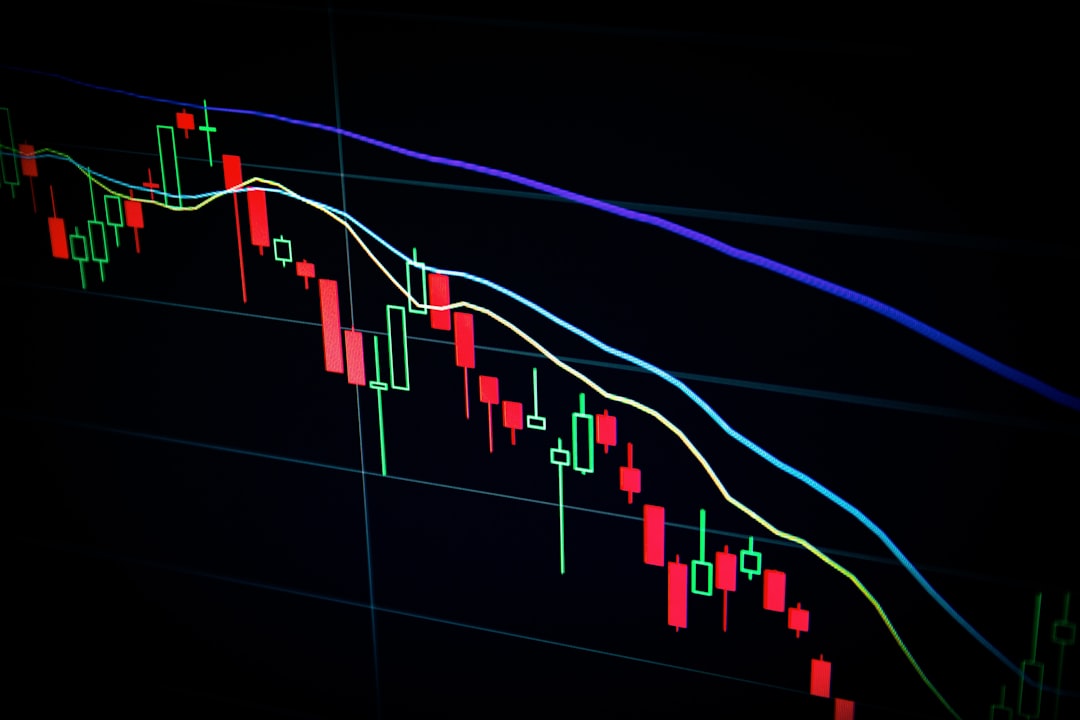
Introduction: The Robinhood Roller Coaster You Can’t Ignore
For anyone following the investing world, the ride of Robinhood Markets has been one of the more Stirring stories in recent years. After a period of astonishing gains—roughly a 1,300% surge over the three years leading up to October 2025—the stock has since reversed course and logged a meaningful retreat. The volatility didn’t vanish; it simply shifted gears. In conversations with advisors and everyday traders, one recurring line keeps coming up: robinhood stock been volatile. That description isn’t just a catchy headline; it captures a real mix of momentum-driven moves, regulatory questions, and evolving business economics tied to a platform that’s both popular with retail investors and scrutinized by policymakers.
If you’re weighing whether to buy, hold, or sell, you’re not alone. This article breaks down what’s driving the current pulse, the key indicators that could tilt the next chapter, and a practical action plan you can apply today. We’ll also explore scenarios you should consider so you’re not caught off-guard by sudden swings in the price action. And yes, we’ll keep the focus on ideas you can actually use, not just headlines or hypotheticals.
Why robinhood stock been volatile: The core drivers
volatility in Robinhood’s share price isn’t a mystery cocktail; it’s a blend of user growth dynamics, revenue mix shifts, regulatory risk, and the ever-present tug of market sentiment. Here are the most influential factors today:
- User and revenue mix: Robinhood still relies heavily on transaction-based revenue tied to order flow and trading activity. When markets rally, engagement tends to rise, bolstering revenue; when volatility spikes in unexpected ways, trading volume can swing dramatically. The company has worked to diversify into subscription services, cash management, and other financial products, but the pace and durability of that diversification matter for valuation and price swings.
- Regulatory backdrop: The regulatory environment around payment-for-order-flow (PFOF), disclosures, and disclosure standards for brokerages directly affects profitability and investor sentiment. Any tightening or clarity from regulators can alter the perceived risk-reward of owning HOOD shares.
- Competition and product leverage: Robinhood operates in a crowded field of fintechs and traditional brokerages with similar offerings. The pace at which Robinhood can roll out compelling features—without eroding margins—contributes to volatility as the market recalibrates expectations.
- Market cycles and macro sentiment: The stock’s movement is not isolated; it reflects broader shifts in risk appetite, interest rate expectations, and tech-stock leadership. When the market swings, so does Robinhood’s stock, even if underlying fundamentals stay relatively steady.
- Crypto and optional revenue streams: Crypto trading and other optional revenue streams have historically added volatility to results. When crypto prices are volatile or regulatory risk spikes, those revenue lines can amplify swings in quarterly figures.
For readers tracking the phrase robinhood stock been volatile, it’s a reminder that the stock isn’t just a proxy for a single business line. It’s a bundle of retail-trading nostalgia, platform bets, and regulatory risk that can amplify shifts in sentiment into price moves.
What to watch next: The near-term indicators that can move the needle
Investors trying to gauge the path forward should focus on a few critical indicators that historically precede meaningful price action in Robinhood stock. Here’s a practical checklist you can use to assess risk and opportunity:

- User growth and engagement: Look for the pace of new signups, retention rates, and repeat usage. A deceleration in user growth after a period of rapid expansion can signal a normalization in the business model that the market often misreads in the short term.
- Revenue mix and profitability: Beyond top-line growth, pay attention to the share of revenue from subscriptions and services versus trading activity. A tilt toward more durable, recurring revenue can reduce volatility over time.
- Regulatory developments: Any updates about PFOF rules, disclosure requirements, or changes in broker-dealer economics can reprice risk. Even small clarifications can shift how investors value the franchise.
A solid cash position, manageable debt levels, and clear paths to profitability reduce the risk of abrupt capital-market moves affecting the stock. Announcements about new features, partnerships, or price changes should be weighed against the potential impact on user growth and monetization.
If you’re checking the current environment against robinhood stock been volatile, a few concrete signals to watch include quarterly guidance beats or misses, commentary on user metrics, and commentary around the sustainability of the PFOF model in the current regulatory climate. These elements can set the tone for the stock’s volatility in the weeks ahead.
What to watch next: scenarios and what they imply for returns
Considering robinhood stock been volatile, investors often find it helpful to run through plausible scenarios rather than rely on one optimistic or pessimistic view. Here are three practical paths and what they could mean for the stock’s trajectory over the coming quarters:
| Scenario | What Happens | Impact on Price |
|---|---|---|
| Base Case | Moderate user growth, stable regulatory backdrop, and a meaningful contribution from subscriptions and services. Revenue grows in mid-single digits; operating margins improve gradually. | Moderate upside with less downside risk; price may drift higher as earnings visibility increases. |
| Positive Upside | Strong adoption of new features, higher-than-expected subscription revenue, and clear regulatory clarity that supports a broader monetization model. | Sharper rally potential as investors reprice the optionality of the platform. |
| Bear Case | Regulatory constraints or a weaker-than-expected rollout of recurring revenue, compounded by macro headwinds in risk assets. | Greater downside risk if earnings decelerate and visibility erodes. |
The key takeaway is that the near-term path is not a straight line. If you’re looking at robinhood stock been volatile, the market is pricing in a mix of growth potential and regulatory risk that can swing on a dime depending on the most recent earnings and headlines.
How to evaluate the risk and make the most of the volatility
Despite the noise, there are actionable steps you can take to manage the risk around robinhood stock been volatile. Here’s a practical framework you can apply today:

Decide in advance how much of your portfolio you’re willing to allocate to a volatile name. For many investors, a single stock should account for a small, capped portion of the overall plan to avoid outsized impact on the nest egg if volatility spikes. Use a structured approach such as a trailing stop or a fixed stop to protect against sudden downside. For example, you could set a stop at 15–20% below a recent peak for a name with mixed fundamentals and regulatory risk, adjusting as you gain more clarity on the path to profitability. Combine exposure to Robinhood with other assets that behave differently in market stress. A mix of high-quality bonds, broad equity exposure, and other tech-enabled financials can cushion downside while preserving upside opportunity. If your thesis is durable, set a multi-year horizon and resist daily headlines. The most reliable investors focus on business progress over quarterly swings, which can help dampen the emotional reaction to volatility in robinhood stock been volatile. In businesses where revenue is sensitive to user engagement, watch for improvements in cash flow from operations and the pace of monetization expansion beyond trading activity.
In practice, this means turning a tendency toward fear or greed into a structured plan. If robinhood stock been volatile is a concern for your portfolio, apply the above points as a step-by-step guardrail—rather than chasing headlines that promise quick gains with high risk.
Real-world examples: how to think through your decision
Consider two investors with different goals but the same exposure to robinhood stock been volatile. One investor is focused on long-term wealth creation and is comfortable with a small allocation, while the other is attempting to trade around headlines to generate short-term gains. Here is how their decisions might differ in practice:
Keeps a modest stake, reinforced by a broad financial-services exposure. They’re more likely to view volatility as a feature rather than a bug, using tax-advantaged accounts when possible and rebalancing slowly over time as fundamentals evolve. Uses tighter risk controls and more frequent portfolio reviews. They’re likely to react to quarterly numbers, regulatory updates, and feature launches with quick adjustments to position size, hedges, or exits.
The underlying message is straightforward: robinhood stock been volatile can create opportunities when you have a plan that is grounded in fundamentals, not headlines. If you’re preparing for the next earnings cycle or a regulatory update, having a plan in place makes the difference between reacting and acting with intent.
Putting it into practice: a simple playbook for owners or potential buyers
If you already own HOOD or are considering a position, here’s a concise playbook you can follow to translate the discussion above into concrete actions:

Chart the slope of revenue growth, user metrics, and gross margins. If momentum is deteriorating on all three fronts, it’s a red flag; a stable or improving trend merits patience. A rising share of revenue from non-trading products reduces sensitivity to daily price swings and can support higher valuations on a forward-looking basis. Establish a personal cap on maximum loss from this stock’s position. Treat it as a risk-reducing constraint rather than a suggestion to avoid the position entirely. If you’re new to the name, consider a staged approach—buy a small initial tranche, wait for a hit to the price to stabilize, then decide whether to add more or pause until the business narrative clarifies. If regulatory updates emerge, don’t cling to your original thesis; be ready to adjust your position if the new framework materially changes the business model or profitability outlook.
Conclusion: volatility is a feature—manage it with discipline
In markets, volatility is not inherently good or bad. What matters is how you respond. The question of when to buy or how much to own should be guided by your time horizon, diversification, and your comfort level with risk. The phrase robinhood stock been volatile captures a recurring reality: the stock can swing on both market-wide and company-specific news. By focusing on the core indicators described here—user engagement, revenue mix, profitability signals, and regulatory clarity—you put yourself in a better position to navigate the next chapter with intent rather than impulse. Whether you’re looking for a longer-term accumulation story or a tactical trading opportunity, preparation and discipline beat bravado every time.
FAQ
Q1: Why has robinhood stock been volatile in recent years?
A1: The volatility stems from a mix of strong retail trading activity, shifts in revenue mix toward subscriptions and services, regulatory scrutiny around payment-for-order-flow, competitive dynamics in fintech, and broader market swings that magnify price moves.
Q2: Is robinhood stock a good buy right now?
A2: That depends on your goals and risk tolerance. If you’re seeking a growth-oriented wager with potential upside from new products and improved monetization, it may be attractive in small, controlled exposure. If you’re risk-averse or require immediate profitability, you may want to wait for clearer evidence of durable progress and regulatory clarity.
Q3: What should I monitor next if I own HOOD?
A3: Watch the quarterly revenue mix (subscription vs. trading), active user changes, gross margins, cash burn, and any regulatory updates affecting PFOF economics or disclosures. These items tend to be leading indicators of how robinhood stock been volatile might evolve.
Q4: How can I reduce risk when dealing with volatile stocks like HOOD?
A4: Use position sizing, set predefined exit rules, diversify across asset classes, and avoid concentrating a large share of your portfolio in a single volatile stock. A disciplined plan helps you avoid emotional reactions to daily price moves.

Discussion