
Market Moving Update: Scotiabank Lifts Cameco Target on Nuclear Momentum
May 6, 2026 — In a move that underscores a broader shift toward nuclear energy, Scotiabank just hiked Cameco's price target to 175 CAD from 150 CAD after a solid quarterly report and higher estimates for uranium demand. The bank kept an Outperform rating, signaling confidence in Cameco's ability to benefit from a growing push to expand nuclear capacity globally.
Analysts said the upgrade points to a policy-backed build cycle rather than a purely macro-driven upcycle. The news arrives as governments across North America and Europe step up funding and procurement for new reactors and extended life for existing plants. Cameco, as one of the world’s largest producers of uranium, sits at the center of that supply-and-demand cycle.
What Scotiabank Is Seeing in Cameco
The primary driver for the new target is a combination of better-than-expected quarterly results and higher assumptions for uranium market fundamentals. Scotiabank’s note cited improved contract momentum and stronger guidance on 2026 production ranges as reasons for lifting the target. The firm also cited higher estimates for uranium pricing and a favorable mix of long-term supply contracts.
In a succinct rationale, the analyst highlighted the alignment between Western decarbonization goals and security of energy supply. The team argued that policy support for nuclear power creates a durable demand backdrop for uranium and for Cameco’s long-term contracts. The updated target implies confidence that Cameco can translate policy momentum into earnings power over the next several years.
The Nuclear Narrative: Policy Meets Markets
The broader story remains unchanged: governments view nuclear energy as a cornerstone of clean, reliable power. In recent months, strategic plans in the United States, Canada, the United Kingdom, and parts of Europe have accelerated permitting, financing, and procurement for new reactors. That policy backdrop is often cited by investors as the catalyst behind a re-rated uranium equities complex.
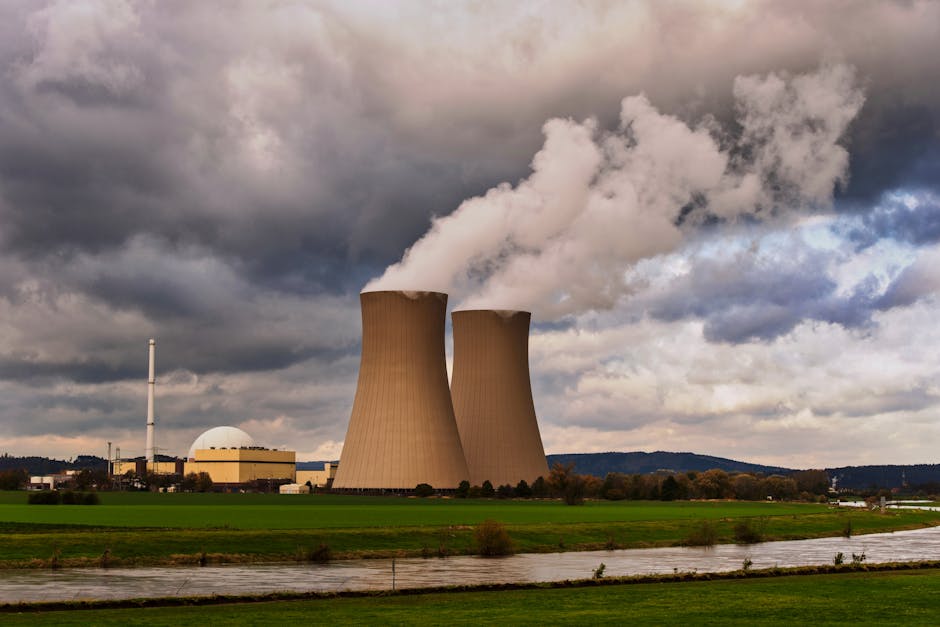
Industry watchers say the renaissance is not merely about new builds. It also involves extending the life of existing reactors, upgrading fuel cycles, and creating stable, long-duration demand for uranium. Cameco’s position as a global supplier with long-standing relationships across major markets makes it a focal point of this wave. The balance of supply discipline and demand resilience is increasingly seen as a hedge against volatility in energy markets.
New Supply Agreement With India and Its Impact
Another pillar of the bullish case is a recent CAD 2.6 billion uranium supply agreement with India that extends through 2035. The deal diversifies Cameco’s buyer base and demonstrates the willingness of large, fast-growing economies to anchor long-term uranium purchases. Analysts say such agreements reduce price volatility and improve earnings visibility for producers.
Executives stressed that the India deal complements existing contracts across North America and Asia, creating a more balanced revenue stream. The strategic importance of India as a growing energy market underscores why Cameco’s exposure to global demand is expanding rather than narrowing. Investors will be watching how these relationships translate into contracted volumes and price terms over time.
How Investors Are Reacting
Shares of Cameco have historically moved in step with uranium price expectations and contract news. While the stock price fluctuates with broader market swings, the reaction to Scotiabank’s upgrade has been constructive among traders who view the target lift as a signal of rising confidence in Cameco’s earnings trajectory. Market participants are parsing whether this upgrade will drive a more sustained re-rating of uranium equities.
Analysts emphasized that the target move is not a standalone call on CCJ’s near-term performance. Instead, it reflects a broader view of the structural demand tailwinds for uranium and the degree to which Cameco could capture incremental long-term volumes. The takeaway for investors is to assess the balance between contract exposure, project timing, and potential price breaks in spot uranium markets.
What This Means for Benchmark Averages
The new Cameco target sits above the latest street consensus, which sits near the mid-150s for most analysts tracking CCJ. The divergence indicates growing conviction that uranium demand will outpace supply in the coming years, supported by policy action and large-scale utility procurement. Investors should note that consensus estimates can shift quickly as more contract milestones are announced and new reactor projects come online.
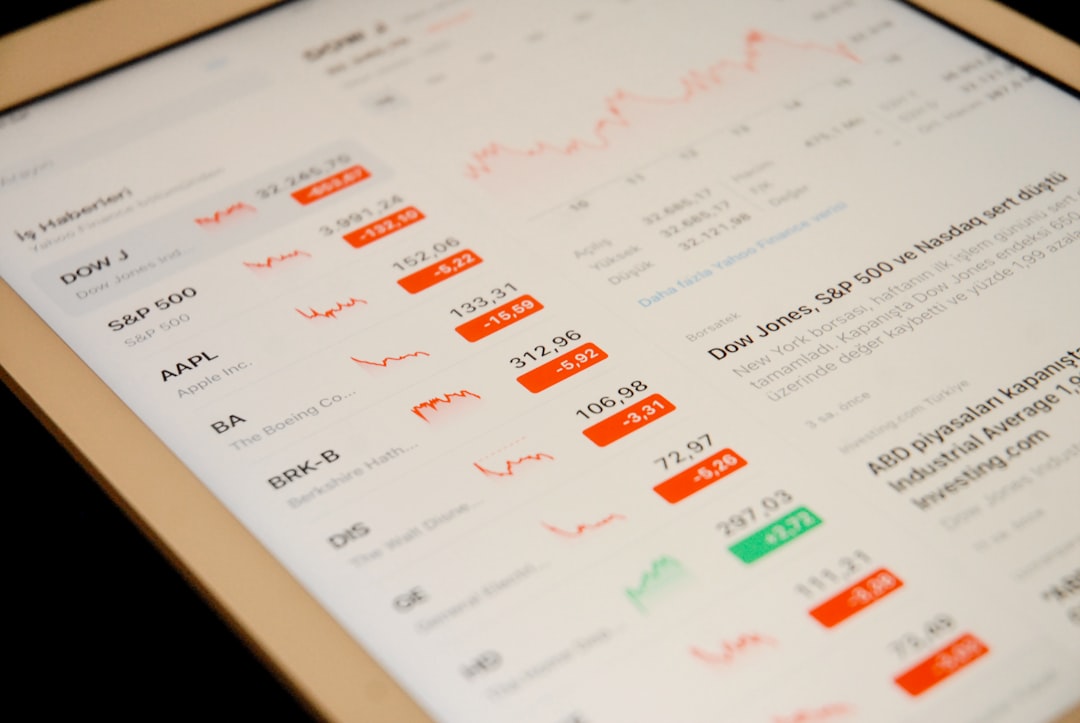
Despite the optimism around nuclear power, some market watchers caution that the sector remains sensitive to safety, regulatory approvals, and geopolitical tensions. Price volatility in uranium and related equities can intensify around reactor announcements or large contract renegotiations. Traders should be prepared for swings even as the longer-term thesis remains intact.
Key Metrics and Data Points
- Old price target: 150 CAD; New price target: 175 CAD
- Analyst rating: Outperform maintained by Scotiabank
- New target vs. street consensus: 175 CAD vs. roughly 150.40 CAD
- Major contract momentum: Strengthening long-term uranium supply agreements
- Strategic deal: CAD 2.6 billion uranium supply agreement with India through 2035
Timely Context: The 2026 Energy Landscape
The energy market in 2026 is marked by a deliberate push toward decarbonization without sacrificing reliability. Nuclear power is being positioned as a backbone, particularly for grid stability in AI-centric economies that demand steady, baseload power. The policy environment is crucial: subsidies, loan guarantees, and streamlined permitting have become more common tools to accelerate nuclear projects.
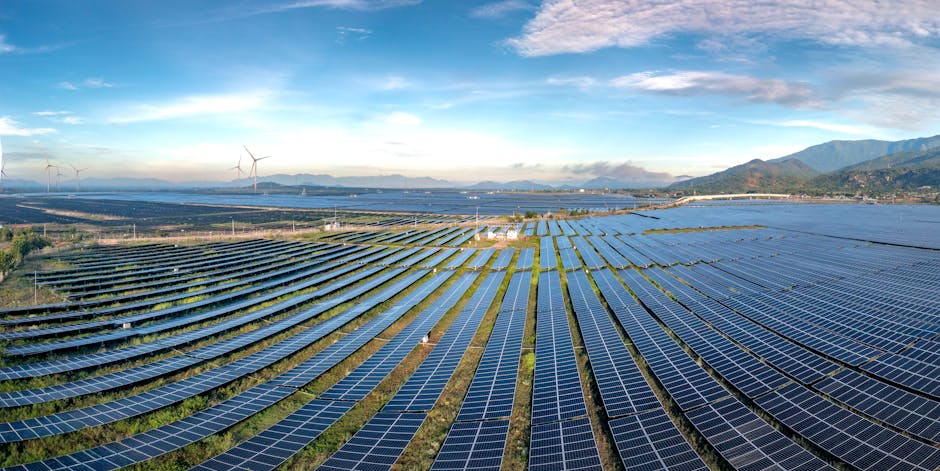
Industry participants say this is more than a momentary rally. The consensus is that governments are embedding nuclear into their long-term energy blueprints. That creates a durable, if gradual, uplift for uranium buyers and suppliers toward multi-year planning horizons.
What Investors Should Watch Next
For Cameco, execution on contract deliveries and mining volumes will be a primary driver of the stock’s trajectory. Analysts will be watching how the company manages costs, currency exposure, and the balance between long-term contracts and spot-market opportunities. Any shifts in uranium price expectations could prompt further updates to price targets across the sector.
Beyond Cameco, investors are tracking the broader uranium complex, including junior producers and project developers. The success of major reactors scheduled to come online in the next few years could amplify demand surprises in both the physical market and related equities. A multi-year horizon remains essential for those betting on a nuclear-powered energy transition.
Bottom Line for Investors
The headline is that Scotiabank just hiked Cameco, raising the price target to 175 CAD as the nuclear revival gains policy traction and new deals fortify demand. The upgrade reinforces a view that the next phase of investor interest in uranium will be anchored by long-term contracts and credible growth in reactor deployment. For traders and funds with exposure to energy transition plays, this is a data point that warrants closer attention to how Cameco navigates contract flow and market pricing over the balance of 2026.
In short, scotiabank just hiked cameco is a signal that major banks expect uranium demand to accelerate as policy, procurement, and project pipelines align. As markets digest the CAD 2.6 billion India agreement and other long-term contracts, investors should position with a focus on delivery timelines, contract mix, and the evolving regulatory backdrop for nuclear investments.

Discussion