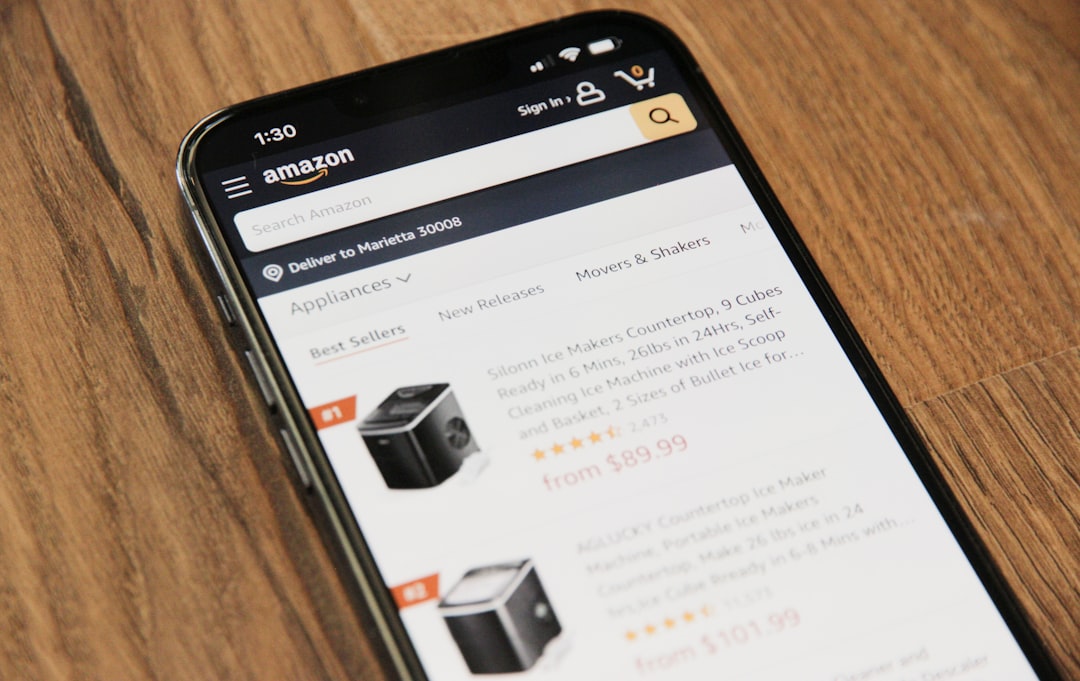
Should Amazon Stock Dip? A Practical Guide for 2026 Investors
Investing in a company as large and influential as Amazon often feels like riding a roller coaster. When the price pulls back, many readers ask a simple, loaded question: should amazon stock dip? The short answer is not a single, universal yes or no. The decision depends on your goals, your time horizon, and whether the pullback reflects a temporary market wobble or a shift in the company's fundamentals. This article walks you through a clear framework to evaluate a dip, so you can decide whether to buy, hold, or pass. You’ll find practical steps, real-world scenarios, and concrete numbers you can apply today.
What a Dip Really Signals
A price dip can come from three main sources: market-wide volatility, sector-specific concerns, or company-specific news. Understanding which force is at work helps you avoid misreading the signal. A broad market pullback might present a temporary buying opportunity, while a dip caused by deteriorating fundamentals could be a warning sign.
For Amazon, the big questions include:
- Is AWS growing at the pace investors expect?
- Do the advertising and marketplace businesses remain on track to expand margins and cash flow?
- Are there regulatory or competitive threats that could change the long-run trajectory?
These questions matter because they influence whether a dip represents a mispricing opportunity or a risk that your thesis needs revising. If you’re asking, should amazon stock dip? in the context of a longer time frame, the answer often hinges on whether you believe the company’s core drivers will recover and accelerate in the years ahead.
How to Evaluate a Potential Dip: A Simple Checklist
Use this practical checklist to assess a dip without spinning into fear or hype. Each item helps you gauge whether the dip is an entry point, a neutral pause, or a reason to step back.
1) Valuation in the New Context
Valuation is not a single number; it’s a synthesis of growth expectations, margin trajectory, and cash flow. A dip might lower the price, but you need to ask whether the forward-looking earnings power justifies the price you pay. Typical metrics investors watch include forward P/E, price-to-sales, and enterprise value to EBITDA for a broad sense of value relative to growth.
Example: If Amazon’s shares trade at a forward multiple that’s in line with peers in cloud services and e-commerce, a dip could be a reasonable price for the growth you expect from AWS and advertising. If the multiple decompresses meaningfully due to weaker guidance, you’ll want to model a few scenarios: base case, bull case, and bear case. This helps answer should amazon stock dip? with numbers rather than feelings.
2) Growth Engines: AWS, Advertising, and the Marketplace
Amazon’s three big engines are AWS (cloud computing), Advertising (brand and performance ads), and the Retail/Marketplace ( Prime membership, logistics, and marketplace services). A dip worth acting on should come with either improving fundamentals or a credible plan to restore growth momentum across these engines.
Consider what success looks like in the next 3–5 years for each engine:
- AWS: Structural growth in a growing cloud market, with operating leverage as scale improves.
- Advertising: Sustainable win rates as third-party sellers spend more to reach customers amid improved targeting and measurement.
- Marketplace: Higher Prime retention, better fulfillment efficiency, and price discipline that protects margins.
3) Cash Flow and Margin Trajectories
Cash flow matters because it funds programs that support future growth, such as infrastructure, R&D, and share buybacks. A dip that coincides with improving free cash flow and steady margins can be a sign the market overreacted to short-term headlines.
Keep an eye on two numbers: free cash flow yield (free cash flow divided by market cap) and operating margins. If a dip lowers the price but cash flow quality remains strong or improves, the stock may be more attractive to longer-term investors.
Should amazon stock dip? A Personal-Finance Lens
Beyond business fundamentals, your own money picture matters as much as the company’s fundamentals. A dip should be evaluated in light of your goals, risk tolerance, and portfolio mix. Here are the most practical angles to consider.
1) Time Horizon and Risk Appetite
Your time horizon is the biggest driver of whether you should buy during a dip. If you’re saving for a retirement that’s 15+ years away, a temporary drawdown can be a healthy price you pay for longer-term gains. If you’re nearing retirement or already drawing income, you may want to be more deliberate and avoid concentration risk.
Example scenarios:
- Young investor with a 20-year horizon: A dip could be a routine buying opportunity within a diversified growth sleeve of the portfolio.
- Mid-career saver with 10 years to go: Diversification matters; consider how much Amazon exposure you’re comfortable owning given your overall risk budget.
- Near-retirement investor: A dip might be crowded with risk if it concentrates too much in one stock; a staggered, smaller allocation could be wiser.
2) Portfolio Concentration and Diversification
Concentration risk matters. Even strong businesses can derail a portfolio if one position becomes too large. A common guideline is to limit any single stock to a modest portion of your overall portfolio—often 5% to 15% depending on your risk tolerance and other holdings. A large, tech-heavy position can amplify volatility and impact your retirement timeline if it worsens sharply.
To balance, think in terms of asset classes (stocks, bonds, cash), sectors (tech, consumer, healthcare), and geographies. A dip in a beloved stock shouldn’t derail your plan if your portfolio remains well-diversified.
Why Amazon May Still Be Attractive After a Dip
Every investor asks, should amazon stock dip? as a signal of potential opportunity. Here are arguments that a dip could be justified, and perhaps justified to act upon.
1) The Return of Growth Momentum
Even with a price pullback, the long-term trajectory for cloud computing and digital advertising remains compelling. Cloud computing continues to expand as businesses migrate workloads to scalable platforms, and Amazon’s strengths in data center capacity and software ecosystems can translate into durable revenue streams. If the market overreacts to short-term noise, the dip could be a discount on a future growth path, not a verdict on the business.
2) Cash Returns and Shareholder Value
While Amazon has historically reinvested aggressively, the company’s cash-return profile—via buybacks or strategic investments—can support shareholder value over time. If the cash-generating engine remains robust and capital allocation stays disciplined, a dip can set up a better entry price for a stock that still has meaningful upside.
Practical Strategies: How to Implement a Dip-Buy Plan
If you’ve decided that a dip could be a buying signal, here are concrete steps to implement a disciplined approach rather than a thumbs-up impulse.
1) Start With Dollar-Cost Averaging (DCA)
Dollar-cost averaging means investing a fixed amount on a regular schedule, regardless of price. It reduces the risk of guessing the perfect entry point and helps you build a position over time. For example, you might allocate $1,000 per month to Amazon stock through a taxed-advantaged account or a taxable account depending on your situation.
Pros: smooths timing risk, builds discipline. Cons: may miss a steep, fast recovery if the price spikes quickly after a dip.
2) Pick a Target Allocation Range
Decide on a target allocation to Amazon that fits your overall plan. For many, a mid-teens exposure to a single stock in the equity sleeve is reasonable if the rest of the portfolio is diversified. Your target should reflect both your conviction in the stock and your tolerance for volatility.
3) Set Explicit Rules for Re-Entry and Exits
Rather than just “buy on the dip,” set clear triggers. For example: "If Amazon falls an additional 8% from the initial entry price within 6 weeks, add a second tranche; if it rises 12% from the entry, take partial profits or adjust the target allocation."
4) Tax-Efficient Positioning
Consider tax implications when buying and selling. If you hold in a taxable account, wash-sale rules, capital gains, and long-term vs. short-term rates matter. In a tax-advantaged account, you may have more freedom to hold through volatility since you won’t trigger annual capital gains taxes on paper profits.
Real-World Investor Scenarios
To illustrate how different investors might think about the question should amazon stock dip?, here are a few practical profiles and approaches.
- Profile A — The Long-Term Builder (Age 30, 25+ year horizon): He plans to build wealth over decades. He uses DCA, keeps Amazon within a diversified tech sleeve, and relies on the stock as a growth anchor rather than a core retirement asset. A dip is a green light for another automatic monthly purchase if fundamentals remain intact.
- Profile B — The Balanced Saver (Age 45, mid-career): She wants growth but needs stability for college saving and retirement. She might allocate a modest amount to a dip-entry while maintaining broad diversification and a percentage of bonds to dampen risk.
- Profile C — The Opportunistic Trader (Age 35, aggressive risk tolerance): He uses short-term catalysts and options overlays in addition to stock ownership. A dip could trigger a defined set of entry points and exit targets aligned with a defined risk budget.
- Profile D — The Retiree (Age 65+, income-focused): He prioritizes capital preservation and income. A dip in Amazon may be interesting, but only as a small, deliberate part of a larger allocation to safer assets and a robust withdrawal plan.
Common Mistakes to Avoid
Even well-informed investors slip into traps when a stock dips. Here are frequent missteps and how to avoid them:
- Overconcentration: Piling too much into one stock can magnify risk when a dip turns into a longer decline.
- Impulse Buying: Letting emotions drive entry decisions often leads to chasing prices higher later on.
- Ignoring Fundamentals: A dip that accompanies sour earnings guidance or a shift in business model warrants skepticism, not automatic confidence.
- Forgetting Time Horizon: Short-term dips can be real, while long-term investments need a longer lens to judge success.
Conclusion: A Calm, Disciplined Path Through Dips
Whether you’re asking should amazon stock dip? or simply deciding how to position a part of your portfolio, the answer rests on your plan, not market noise. A dip can be an opportunity when the business remains healthy, the growth engines look durable, and your personal finances align with a disciplined strategy. If you combine a clear entry plan with solid diversification, you can use dips to build a position you’re comfortable holding through the inevitable market bumps ahead.
Remember: the goal isn’t to predict every move but to build a resilient plan that fits your timeline and risk tolerance. By focusing on fundamentals, setting rules, and keeping your portfolio balanced, you’ll be better prepared to act decisively when a dip occurs.
FAQ
Q1: Should amazon stock dip? be bought if my time horizon is 10+ years?
A1: For a long horizon, dips can be attractive entry points, provided the business fundamentals remain solid and you maintain diversification. Use a disciplined plan, such as a fixed DCA schedule, and avoid overbetting on one stock.
Q2: How does AWS performance influence the stock after a dip?
A2: AWS is a major driver of Amazon’s profitability. Steady or improving AWS growth and margins can offset softness in other segments, helping stabilize the stock price after a dip. Watch bookings, operating margins, and cloud-capacity utilization as signs of resilience.
Q3: What is the biggest risk of buying during a dip?
A3: The main risk is mistaking a fundamental deterioration for a short-term move. If a dip reflects a lasting problem—like weaker growth in core segments or rising competitive pressure—the stock may stay weak or decline further. Always compare the dip to company fundamentals and your risk tolerance.
Q4: What are practical steps to implement a dip-buy strategy?
A4: Set a clear budget and schedule (e.g., invest X dollars monthly for Y months), define exit rules (e.g., take profits if the price hits a target), and maintain diversification to control risk. Revisit assumptions quarterly and adjust based on new information about growth drivers and margins.
Discussion