Should Forget Bitcoin Dogecoin? The Meme vs. Mainstream Crypto Debate
Investing in crypto invites big questions that go beyond price charts. You’ll hear stories of life-changing gains from Bitcoin (the original digital gold) and wild bursts from Dogecoin, the meme token that somehow captured a moment in time. If you’ve ever asked yourself "should forget bitcoin dogecoin", you’re not alone. This article helps you weigh the realities, the risks, and the best ways to position your money in a space that moves 24/7 and never sleeps. Our goal is to give you a practical framework—so you can decide whether to forget one, both, or neither, and how to do it without sacrificing a solid financial plan.
What Bitcoin Is—and Why It Still Dominates
Bitcoin started the crypto revolution and quickly became the benchmark for what a digital asset could be. Its appeal rests on a few clear advantages: a long track record, a global network of users and institutions, and robust security provided by thousands of miners and complex math. In rough terms, Bitcoin remains the largest crypto by market capitalization and daily liquidity. For many investors, that translates into a familiar anchor in a volatile space. It’s not perfect—price swings can be dramatic, and regulatory headlines can move the market—but it offers a combination of simplicity in concept and depth in history that few other assets can match.
Why Things Like Market Structure Matter
- Liquidity matters for entry and exit. Bitcoin trades in billions of dollars every day, which generally means tighter bid-ask spreads and less slippage than smaller coins.
- Security is a practical concern. The longer a network has functioned without a fundamental flaw, the more confident many investors become in its durability.
- Adoption creates a self-reinforcing loop. More merchants, more institutions, and more infrastructure means more value extraction and possibility for future growth.
What Dogecoin Is—and Why It Draws Attention
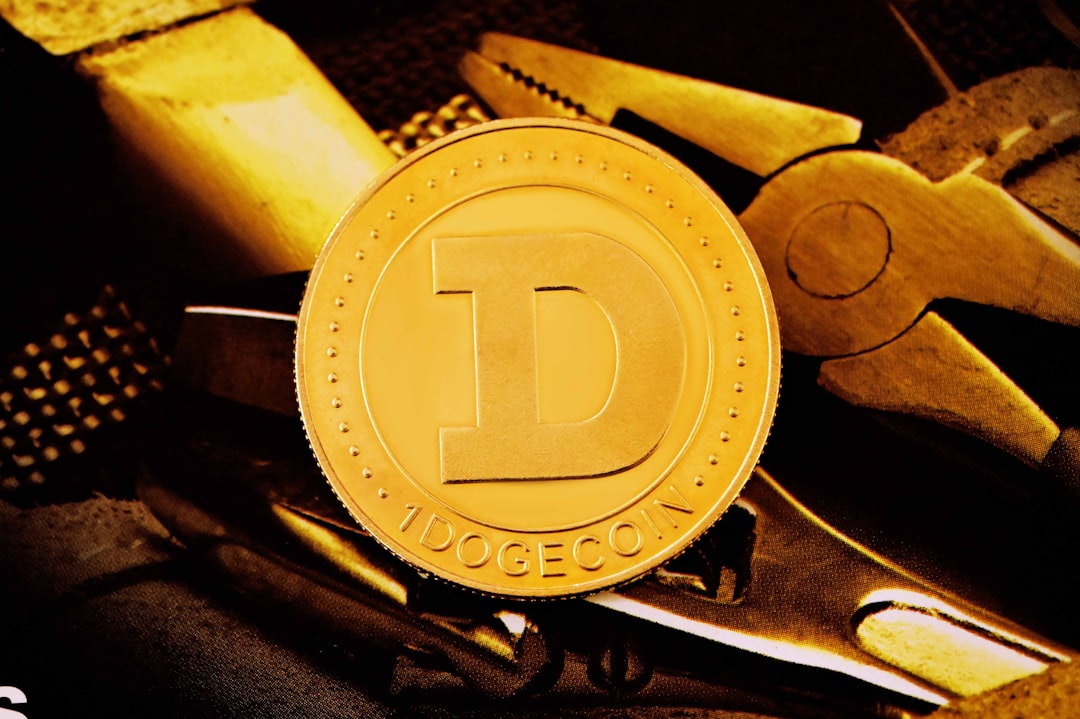
Dogecoin began as a lighthearted project that leveraged a popular meme to attract a community. It wasn’t designed to be a serious financial instrument at the outset, but it quickly gained real trading activity and even attracted notable endorsements. Dogecoin’s supply model and community-driven momentum created big price surprises at times. The contrast with Bitcoin is striking: where Bitcoin emphasizes scarcity and long-term durability, Dogecoin leans into social momentum, quick trades, and dramatic swings. Investors who chase Dogecoin often point to upside potential and the allure of social-driven price action. But the same dynamics that ignite rapid gains can also generate steep declines.
Where Meme Tokens Fit in a Portfolio
- Potential for quick gains is real, but so is the risk of rapid losses. Meme tokens frequently move on social sentiment, celebrity mentions, and regulatory chatter, not just fundamentals.
- Exposure can be meaningful but risky. For many conservative investors, Dogecoin is a small, high-variance slice rather than a cornerstone of the portfolio.
- Community and timing matter. If you participate, do it with a plan and a clear exit point rather than chasing FOMO.
The Core Question: Should You Forget Bitcoin or Embrace Dogecoin?
The short answer is nuanced. The idea of "should forget bitcoin dogecoin" captures a real dilemma: whether to anchor your crypto decisions on the stable, established brand of Bitcoin or chase the excitement (and risk) of meme-driven coins like Dogecoin. Most financial experts would argue that a prudent, diversified approach typically outperforms a pure bet on either extreme. Here’s how to think about it in practical terms.
1) Time Horizon and Risk Tolerance
Time horizon and risk tolerance are the two keystones of any investment decision. If your goal is wealth-building over decades with moderate risk, Bitcoin often serves as a sensible anchor. If your time horizon is shorter or you tolerate higher volatility, a small allocation to Dogecoin could be explored—but with guardrails.
- Long horizon (10+ years) and moderate risk: Consider a core allocation to Bitcoin, with a tiny, controlled slice to speculative assets like Dogecoin.
- Short horizon (2-5 years) and high tolerance for swings: You might allocate a small portion to Dogecoin only if you’re comfortable with the possibility of losing a significant part of that portion.
2) Portfolio Role and Diversification
A well-rounded crypto plan tends to reflect a blend of reliability, potential upside, and risk management. Bitcoin often plays the role of digital “salt and pepper” in a portfolio—the seasoning that’s intended to hold value over time. Meme tokens like Dogecoin can represent a high-risk, high-reward garnish that adds color but should not overwhelm the main course.
3) Costs and Practicalities
Crypto investing isn’t free. Trading fees, wallet costs, tax reporting, and security considerations all affect net returns. Bitcoin’s liquidity usually keeps trading costs lower than obscure altcoins, but even blue-chip crypto like Bitcoin isn’t free from fees. Meme coins tend to have higher spread costs and more pronounced slippage during rapid swings, which can eat into gains (or worsen losses) quickly.
4) Security and Custody
Security matters more than flashy headlines. Keeping funds on exchanges is convenient but exposes you to platform risk. A common approach is to store long-term holdings in a hardware wallet (cold storage) and use reputable exchanges for trading or rebalancing. If you’re considering should forget bitcoin dogecoin as a guiding question, commit to a custody plan that keeps your keys safe and out of reach of hackers or careless operators.
Practical, Real-World Scenarios
Let’s walk through a few common investor profiles to show how the question should forget bitcoin dogecoin can shape actions.
Scenario A: The Conservative New Investor
Alex is new to investing and wants a simple path into crypto. They’re worried about losing money and prefer clarity over hype. A sensible approach would be to start with Bitcoin as the primary crypto exposure, complemented by a tiny wedge toward other assets only after they’ve built comfort with the basics (wallet setup, security routines, and tax basics).
- Initial allocation: 80% Bitcoin, 0-2% Dogecoin, 18% cash or traditional investments.
- Actions: Open a reputable crypto exchange, transfer funds to a hardware wallet for long-term storage, and set up dollar-cost averaging if adding more crypto over time.
Scenario B: The Speculative but Cautious Trader
Jai has some experience with markets and is curious about meme coins but doesn’t want to blow up the entire portfolio on hype. Jai could experiment with a tiny stake in Dogecoin while maintaining a strong core in Bitcoin and a diversified mix of established altcoins.
- Initial allocation: 65% Bitcoin, 10% Dogecoin, 15% established altcoins (like Ethereum or a blue-chip DeFi token), 10% cash for emergencies.
- Actions: Use a rule-based exit strategy (e.g., take profits at 2x-3x, or cut losses at a defined percentage) and rebalance quarterly.
Scenario C: The Tactical Investor With a Small Budget
Priya is building a disciplined plan with limited capital. The best use of should forget bitcoin dogecoin in this case is to focus on the long-term, proven asset (Bitcoin) and keep Dogecoin as a speculative edge only if the investor’s budget allows without compromising core savings goals.
- Initial allocation: 75% Bitcoin, 1-2% Dogecoin, 14% other means to diversify crypto exposure, 10% non-crypto investments.
- Actions: Automate purchases, watch fees, and keep a running log of tax consequences for crypto transactions.
How to Decide: A Simple Framework
Use this three-step framework to answer the question should forget bitcoin dogecoin in a way that fits your life, not just headlines:
- Define your goal: Are you hoping for long-term wealth, or are you chasing excitement and fast moves?
- Assess your risk tolerance: Are you comfortable watching a large percentage swing in a week?
- Set guardrails: Decide how much you’re willing to lose on high-risk bets and when you’ll rebalance or exit.
Weighing Fees, Taxes, and Security
Beyond price moves, crypto investing involves ongoing costs and regulatory considerations. Transaction fees can vary widely between Bitcoin and Dogecoin, depending on network congestion and the platform you use. Taxes matter too: in the United States, crypto trades are taxable events, and you’ll report gains or losses on Form 8949 and Schedule D. If you take profits on a meme coin, you could face higher short-term capital gains rates depending on your holding period. Security cannot be an afterthought: security breaches can wipe out gains in minutes. A practical approach is to separate long-term holdings (cold storage) from active trading (secure, insured hot wallets) and to keep meticulous transaction records for tax time.
Frequently Asked Questions
FAQ
Q1: Is Dogecoin a reliable investment long term?
A1: Dogecoin has shown dramatic gains and losses tied to social hype rather than fundamentals. It can be exciting, but it’s not the same as investing in Bitcoin or other assets with established use cases and more regulated markets. Treat it as a high-risk, small-sleeve allocation if you choose to participate.
Q2: Should forget bitcoin dogecoin be my guiding question for crypto?
A2: Not as a sole guide. A balanced approach considers Bitcoin as the core, with additional exposure to other assets only if it aligns with your risk tolerance and financial goals. The core advice remains: don’t bet more than you can afford to lose, and diversify within crypto where possible.
Q3: How should I structure a crypto portfolio?
A3: A practical structure might be 70-80% Bitcoin, 10-20% diversified altcoins, and 1-5% meme or high-volatility tokens, depending on your risk tolerance. Always keep a cash reserve and a plan for rebalancing at regular intervals.
Q4: What about security and custody?
A4: Use hardware wallets for long-term storage, enable two-factor authentication on all accounts, and never reuse seed phrases. Consider a split custody strategy: cold storage for the bulk of holdings and a smaller hot wallet for trading needs.
Conclusion: Should You Forget Bitcoin Dogecoin? A Balanced Path Forward
In the debate about whether you should forget bitcoin dogecoin, the most reliable answer is often: not all or nothing. Bitcoin offers a proven track record, strong liquidity, and broad acceptance that make it a sensible core holding for many investors. Dogecoin and similar meme tokens can be entertaining and may offer outsized short-term moves, but they come with outsized risk. The best approach is to acknowledge both dynamics without surrendering your financial plan to hype. If you decide to test the waters with surprise assets like Dogecoin, do it with clear boundaries: a small, finite allocation, automatic rebalancing, and a robust security framework. The goal isn’t to forget Bitcoin or to pretend Dogecoin doesn’t exist; it’s to curate a portfolio that aligns with your goals, your time horizon, and your comfort with risk.
Final Takeaways
- Bitcoin remains the backbone of most crypto portfolios due to its liquidity, security, and adoption.
- Dogecoin offers high upside and high risk—treat it as a small, speculative sleeve rather than a core asset.
- Always pair any crypto strategy with a sound, diversified financial plan and robust security practices.
Whether you ultimately decide that should forget bitcoin dogecoin is the right move for you will depend on your personal goals, risk tolerance, and ability to stay disciplined through volatility. With a clear framework, you can pursue crypto exposure without losing sight of your broader financial health.
Discussion