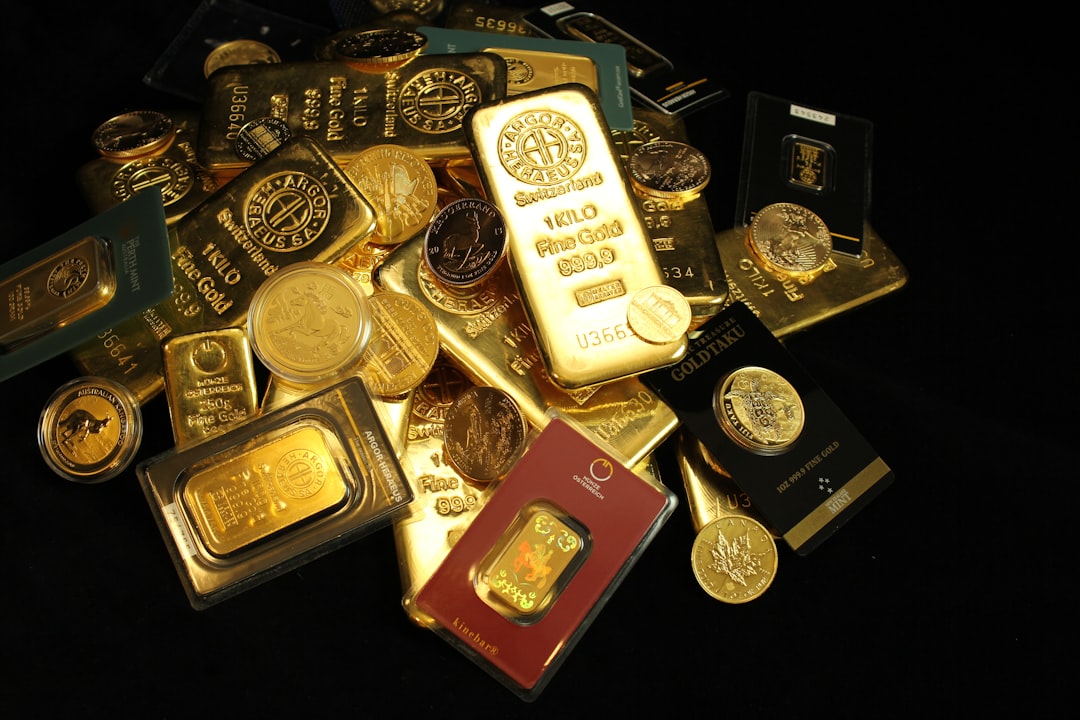
Introduction: A Moment Where The Metal Talks, And Investors Listen
When a commodity as storied as gold moves into unfamiliar territory, investors sit up. Imagine gold hovering around the $4,000 level—far from the all‑time highs some markets once saw and still a figure that grabs headlines. For many, that price level isn’t a sign of doom or immediate triumph; rather, it’s a data point in a broader narrative about inflation, geopolitical risk, central bank policy, and the climate for financial assets. If you’re weighing whether to buy into a gold exchange‑traded fund (ETF) or to hold off, you’re not alone. The question you want answered isn’t simply “Is gold going up or down?” but “Should invest this gold fit my plan, my risk tolerance, and my portfolio goals?”
This article walks you through how to think about gold ETFs in a high‑level, practical way. We’ll cover what these funds deliver, how to weigh costs and taxes, and concrete steps you can take to build a position that aligns with your long‑term objectives. Throughout, you’ll see actionable ideas and real‑world scenarios to help you decide if you should invest this gold today.
What a Gold ETF Delivers That Physical Gold Can’t Always Provide
Gold ETFs, such as the well‑known SPDR Gold Shares, are designed to give you exposure to gold without the hassles of owning physical bullion. They’re traded on major stock exchanges, so you can buy and sell with the same ease as stocks. Here are some practical advantages to consider:
- Liquidity and accessibility: It’s far simpler to buy a 1/10th or 1 share of an ETF than to source, store, and insure physical gold. In periods of stress, liquidity matters, and ETFs tend to trade with the market rhythm rather than the logistics of a bullion dealer.
- Transparent pricing and tracking: ETFs publish daily net asset value (NAV) and trading prices, making it easier to gauge how closely the fund tracks gold’s price movements.
- Cost visibility: ETF expenses are expressed as a ratio (for example, 0.15%–0.40% annually), which is typically lower than some other physical‑gold vehicles. That matters when you’re building a long‑term plan and want to avoid “drag” on returns.
- Tax considerations and account types: ETFs can be held in taxable accounts, IRAs, or employer plans, providing flexible tax and retirement planning options. However, tax rules for precious metals can get nuanced, so consult a tax professional for your situation.
Should You Invest This Gold Now? Analyzing The Case
The core question—whether you should invest this gold—depends on how gold fits your overall strategy. Gold has often served as a hedge against inflation and a distressed‑asset diversifier in mixed markets. But no investment is a guaranteed shield, and gold’s price history shows it can swing meaningfully in the short term even as its long‑term role remains debated. Below are factors to weigh as you decide.
1) Your Portfolio Context
Think about how your current holdings behave during inflationary periods or market shocks. If you already have a sizable exposure to equities and bonds that correlate with risk assets, adding a gold ETF can provide a counterbalance. A common rule of thumb is to consider 5%–15% of your investable assets in gold or other precious metals, adjusted for your risk tolerance and time horizon. If your goal is capital appreciation over the next 5–10 years, you might lean toward the lower end; if you’re guarding against rising inflation or seeking a safe‑haven component during turbulence, you might edge higher.
2) The Inflation and Growth Balance
Gold’s reputation as an inflation hedge has lived alongside periods of strong growth and also quiet times for consumer prices. If inflation remains hot or if currency weakness persists, gold can perform as a store of value. If growth accelerates or real yields rise (inflation minus interest rates), gold may not shine as brightly. In a hypothetical environment where inflation pressures persist, a gold ETF could contribute to a resilient allocation. The key is to pair it with assets that offer income or growth potential to keep your overall risk/return profile balanced.
3) Timing: Is Now The Right Moment?
While headlines focus on price levels, the smarter question is about timing relative to your plan. If you’re thinking, should invest this gold due to near‑term macro signals, you may be tempted to chase short‑term moves. Instead, anchor decisions to your objectives. If you plan to hold for at least 5–7 years, a modest new allocation can be a reasonable part of a long‑horizon approach, regardless of day‑to‑day price chatter about the $4,000 mark. Short‑term timing risks include missed income opportunities during rising price phases and the possibility of catching a pullback that you could have avoided with a steady, disciplined approach.
Costs And Tax Implications: What You Need To Know
When you buy a gold ETF, the cost structure isn’t just the share price. You need to consider the ongoing expense ratio, spreads, potential tracking error, and tax treatment. Here’s how to think about it clearly.
- Expense ratios: Most gold ETFs charge an annual management fee, typically a few tenths of a percent. For example, a fund might list an expense ratio around 0.15%–0.40% per year. Lower is generally better, but it’s not the only factor; tracking accuracy matters too.
- Bid‑ask spreads and liquidity: While ETFs are liquid, the spread between bid and ask can matter when you place a market order. In times of stress or for smaller funds, spreads can widen.
- Tax treatment: In the United States, gold ETFs that hold physical gold are generally taxed as collectibles for long‑term capital gains, at up to 28% on gains. Short‑term gains follow ordinary income tax rates. Your exact tax situation depends on your holding period and your tax bracket, so talk with a tax advisor about your plan.
- Dividend potential: Unlike stock ETFs, most precious metals ETFs don’t pay a dividend, which can influence the total return comparison to other income‑producing assets.
How To Implement A Gold ETF Strategy: A Practical Plan
concreting a plan is the best way to translate one‑time considerations into a durable investment approach. Here are concrete steps you can take to implement a thoughtful gold ETF strategy that aligns with the question, should invest this gold, in a practical, non‑emotional way.
Step 1: Decide your target allocation
Take a look at your total investable assets and determine a target allocation to gold ETFs. For most investors, a range of 5%–10% is a reasonable starting point, with adjustments based on risk tolerance, time horizon, and macro views. If you’re conservative and worried about volatility, you might start at 3%–5%; if you’re confident in inflation protection and want a stronger hedge, you could go up to 10% or slightly more in a diversified plan.
Step 2: Choose the right fund(s)
There are several popular options beyond SPDR Gold Shares (GLD). Some investors prefer funds with lower expense ratios, others look for higher liquidity or different tracking methodologies. Here are common choices to research:
Step 3: Decide how you’ll fund and rebalance
Plan to fund regularly rather than all at once. Monthly contributions help smooth entry prices and reduce the risk of buying near a temporary top. Rebalance annually or semi‑annually to maintain your target allocation. If gold rallies and your position grows beyond your target, trim back a bit and reinvest in other areas that align with your goals.
Step 4: Monitor macro cues, not short‑term headlines
While it’s natural to watch price swings around a $4,000 level, let macro indicators guide decisions. Inflation prints, real yields, and geopolitical developments can influence gold’s trajectory. A disciplined approach—based on your plan and not just the latest price move—often yields better outcomes over time.
Real‑World Scenarios: How This Plays Out
Let’s run through two plausible scenarios to illustrate how should invest this gold can play out in actual portfolios. These aren’t predictions, but examples to help you see the practical implications of a Gold ETF position in different markets.
Scenario A: Inflation persists, a modest allocation helps diversify
You’re building a 60/40 stock/bond portfolio with a 6% allocation to gold ETFs. Gold provides a different sensitivity than equities and high‑quality bonds. Over a 5‑year horizon, you see inflation pressures gradually easing, but you want a hedge against a potential inflation shock. Your 6% gold sleeve helps limit drawdowns during market stress while not dragging overall returns much if the macro improves. If gold appreciates to $4,800 over this period, you’d have a reasonable gain on your gold exposure, offset by the rest of your diversified mix.
Scenario B: Disinflation and rising real yields, gold stalls
In a backdrop where inflation cools and real yields rise, gold may underperform risk assets. Your 5% allocation could still act as a ballast during sudden risk‑off episodes, but the overall contribution to portfolio growth might be modest. In this case, you might choose to modestly trim your gold position or maintain it at the lower end of your target range, rebalancing into assets with stronger growth or income potential.
Risks You Shouldn’t Ignore
Every investment comes with risk, and gold ETFs are no exception. Here are some real considerations to keep in mind when deciding whether to should invest this gold:
- Volatility: Gold can swing on macro surprises, currency moves, and shifts in risk sentiment. In a short period, a gold ETF can move more than a broad stock index, which can be unsettling if you’re new to volatility.
- Tracking error: The ETF’s price performance isn’t perfectly identical to the price of pure gold. Differences can occur due to management, storage costs, and the mechanics of the fund’s replication method.
- Tax considerations: As noted earlier, gains on gold ETFs are typically taxed as collectibles at up to 28% for long‑term gains, which can be higher than standard long‑term capital gains on stocks. This can affect after‑tax returns if you hold for many years.
- Opportunity cost: Money allocated to gold cannot be used for other potential sources of return, such as equities or real estate. The trade‑off is especially important in a rising rate environment where other assets might offer more compelling income or growth.
Frequently Asked Questions
Q1: What exactly is a gold ETF, and how does it differ from owning physical gold?
A gold ETF is a fund that seeks to track the price of gold, usually by holding physical gold or by using gold futures or other instruments. The key difference from owning physical gold is liquidity, ease of trading, and the absence of concerns about storage and insurance. With an ETF, you own shares in a fund, not a bar, and you can trade those shares on a stock exchange just like a stock. Tax treatment and tracking methodology can differ from physical ownership, so read the fund’s prospectus and consult a tax advisor for your situation.
Q2: How much should invest this gold in a typical portfolio?
There’s no one‑size‑fits‑all answer. A common starting point for many investors is 5%–10% of total investable assets allocated to gold ETFs, with adjustments based on risk tolerance, time horizon, and macro views. For a more conservative plan, aim for 3%–5%. If you’re seeking a stronger inflation hedge and comfortable with volatility, you might target 8%–12% or more, but only if it aligns with your overall allocation goals.
Q3: Are there tax differences between gold ETFs and other stock investments?
Yes. In the U.S., gains on gold ETFs that hold physical gold are typically treated as collectibles, with long‑term capital gains taxed at up to 28%. Short‑term gains are taxed at ordinary income rates. Stock investments generally enjoy long‑term capital gains rates that are lower. This tax nuance can affect after‑tax returns, so plan accordingly and consider tax‑advantaged accounts when possible.
Q4: What factors influence the price of gold in the near term?
Several forces interact to move gold: inflation expectations, real yields (inflation minus interest rates), currency movements (especially the U.S. dollar), global economic stability, and demand from sectors like jewelry and technology. In a scenario where inflation remains elevated, gold may hold up or rise; in a scenario of rising real yields or a strong risk appetite, gold could underperform. Investors should separate short‑term price action from long‑term strategy and avoid letting daily swings derail their plan.
Conclusion: A Thoughtful Path To Should Invest This Gold
The question of whether you should invest this gold—when the price hovers around a notable level like $4,000—should be anchored in your personal goals, risk tolerance, and the role you want gold to play in your portfolio. Gold ETFs offer practical benefits: liquidity, transparency, and a way to diversify beyond equities and bonds. They can be a prudent part of a balanced plan, particularly in environments where inflation remains a concern or where market volatility spikes. But like any asset, they aren’t a guarantee of gains or a pure hedge in all scenarios. The most reliable path is a deliberate, rules‑based approach: set a target allocation, choose a cost‑effective fund or mix of funds, fund regularly, rebalance, and stay focused on your longer‑term objectives rather than short‑term headlines.
So, should invest this gold? If your answer is: yes, as a measured part of a diversified strategy, supported by a clear plan and disciplined execution, then gold ETFs can be a meaningful component of your portfolio. If your answer leans toward chasing the hottest price or reacting to every market blip, you may want to pause, refine your approach, and revisit the decision with a calmer risk lens. The right choice isn’t about a single move, it’s about a steady, thoughtful process that helps you reach your financial goals without losing sight of the big picture.
FAQ Recap
- What exactly is a gold ETF, and how does it differ from owning physical gold?
- How much should invest this gold in a typical portfolio?
- Are there tax differences between gold ETFs and other stock investments?
- What factors influence the price of gold in the near term?
Discussion