Introduction: Why the Musk Brand Moves Markets
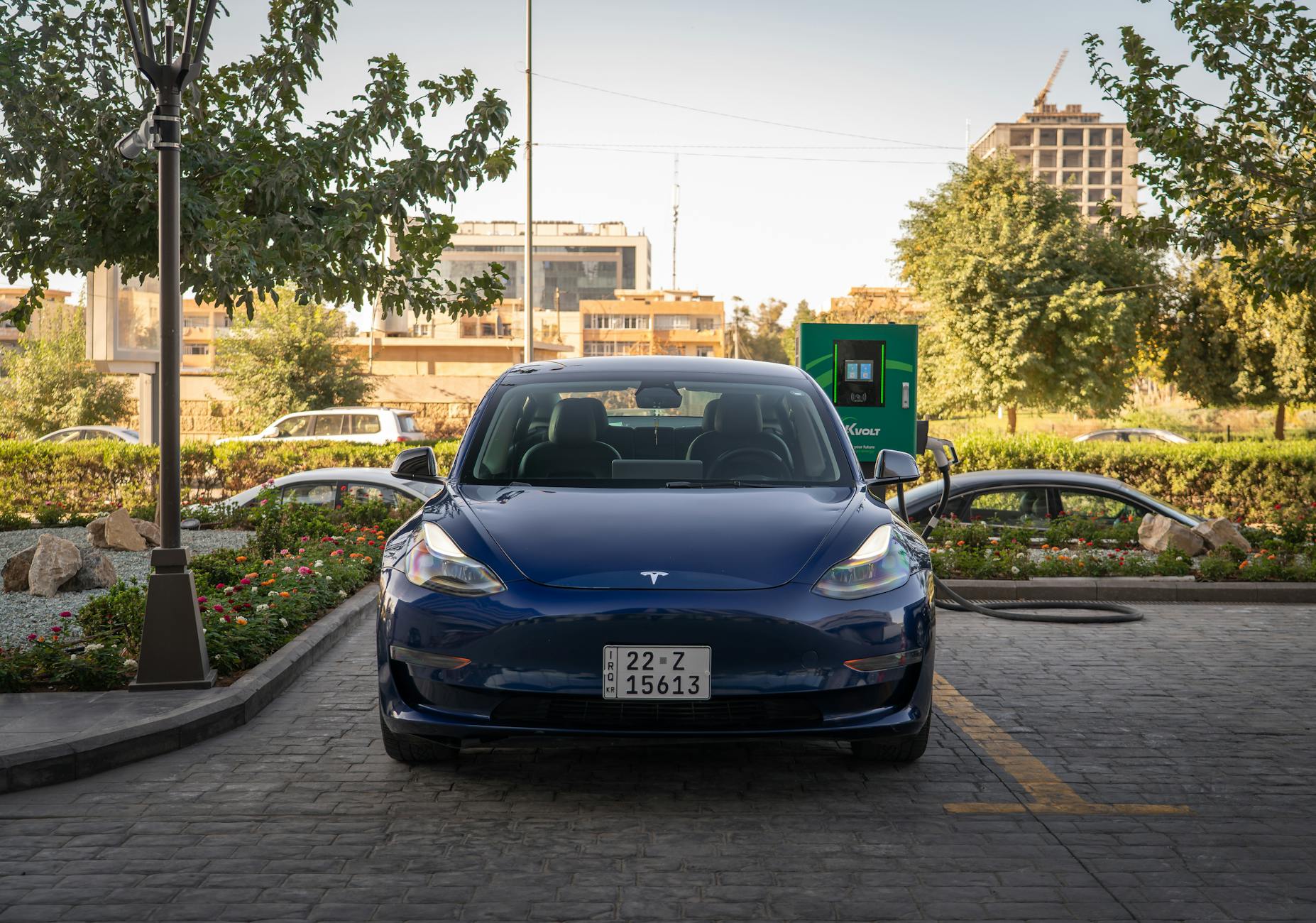
When you buy Tesla, you’re not just purchasing a high-flying stock; you’re taking a stake in Elon Musk’s broad vision for AI, autonomous driving, and next‑gen manufacturing. Over the years, Tesla has evolved from a single‑product EV company into a technology and growth bet that some investors treat as a proxy for the future of multiple frontier industries. That broadened appeal helped Tesla command a premium valuation and a central place in many portfolios. But what happens if SpaceX—the other giant Musk-led venture that has captured enormous private funding and attention—ever becomes publicly traded? The prospect of a SpaceX IPO introduces a new comparison point for Tesla. Investors could suddenly weigh two marquee Musk brands side by side, potentially shifting how they think about risk, growth, and diversification. In this article, we’ll walk through the practical implications of the question: should investors sell tesla to fund SpaceX, and what should you consider before making a move?
The Core Question: should investors sell tesla
Before jumping into a decision, it helps to frame the question clearly: should investors sell tesla to chase a different Musk asset or simply rebalance for risk and opportunity? The answer isn’t black and white. It hinges on access, valuation, portfolio goals, and your tolerance for concentration in a single entrepreneur’s ventures. Why this matters: SpaceX remains private for now, which means ordinary individual investors don’t have a direct, free path to own shares through a public market. If SpaceX does go public someday, investors will face a choice about pricing, liquidity, and how that new option fits with existing holdings. In the meantime, the inquiry prompts a broader conversation about what you’re really investing in: a company’s fundamentals today, or a founder’s long‑term, high‑risk growth thesis that spans multiple industries.
How to think about Tesla as an investment
Tesla’s story isn’t just cars and batteries. It’s an integrated play on global EV adoption, software ecosystems, charging infrastructure, energy storage, and the potential of autonomous systems. That mix has attracted investors who look beyond quarterly earnings toward long‑term outcomes. But it also means the stock’s fate is tightly linked to Musk’s worldview and execution pace, which can be volatile. Key considerations:
- Growth vs. valuation: Tesla has historically traded at higher multiples on the belief that it will sustain rapid growth. If growth slows or margins compress, the multiple can contract quickly.
- Execution risk: Innovations like full self‑driving software or energy products could meaningfully boost returns, but delays or regulatory hurdles can impair progress.
- Capital allocation: Tesla’s capital‑allocation choices—factory expansion, product lineup, and software development—directly affect long‑term returns.
- Market leadership: Tesla’s ability to maintain a lead in EVs and energy storage depends on competition, supply chains, and policy shifts.
In this framework, the question “should investors sell tesla” becomes: is your exposure to Musk’s portfolio thesis still aligned with your risk tolerance, time horizon, and diversification needs?
The SpaceX dynamic: why investors watch it closely
SpaceX’s private status has always added an aura of secrecy and potential. The company has demonstrated remarkable growth—from reusable rockets to ambitious plans in satellite constellations and human spaceflight. While private valuations give a sense of magnitude, they aren’t cash‑flow based like public equities, and liquidity is limited. If SpaceX ever prices an IPO, investors should expect a blend of hype, due diligence, and a reallocation decision that hinges on the stock’s price, the company’s fundamentals, and how it fits with other holdings.
Private rounds over the last few years have placed SpaceX in the private market’s top tier, with valuations commonly cited in the low hundreds of billions. A SpaceX IPO would come with a rebalancing impulse that could test your tolerance for volatility and product concentration across Musk ventures. Public shares offer daily liquidity, while a private position requires lockups and secondary markets. If you’re built to live with liquidity constraints, SpaceX’s private path could be appealing; otherwise, it can complicate portfolio management. SpaceX’s trajectory would likely diversify or concentrate risk depending on its pricing and how investors view the SpaceX/Musk thesis relative to Tesla’s core business.
Should investors sell tesla? Practical frameworks for a decision
To translate the big picture into action, use these practical frameworks. They help you assess whether selling Tesla to chase SpaceX (or any other venture) makes sense given your portfolio and life goals.

1) Access matters more than you think
SpaceX’s private status means that ordinary investors don’t buy it on public markets today. A hypothetical SpaceX IPO would introduce a new asset class into your portfolio—one with potentially higher risk, lower liquidity, and a price that could swing on hype as much as fundamentals. If you can’t access SpaceX through public shares, a direct sale of Tesla to fund SpaceX would not be a straightforward swap; you’d be selling a public asset to invest in an asset you likely can’t buy yet. That alone raises the question: should tesla be pared back for a future opportunity that isn’t immediately accessible?
2) Valuation discipline beats headline headlines
Even a successful SpaceX IPO would come with valuation questions. If SpaceX arrives with a price that assumes breakneck growth, it could look expensive relative to Tesla’s growing business. Your decision should weigh price versus quality: is SpaceX priced to deliver the growth you need, or would you be better off staying with Tesla’s current growth trajectory and cash flows?
3) Consider diversification and risk tolerance
Concentrating a large portion of wealth in any single founder’s ventures can magnify risk. Tesla itself combines hardware, software, energy, and international manufacturing exposure. Adding a new Musk venture—if it becomes public—could tilt risk toward a single entrepreneurial narrative. If your risk tolerance is moderate, maintaining diversification—across sectors, geographies, and precautionary assets like bonds—can help smooth the ride even if SpaceX hits a period of volatility.
4) Tax and liquidity realities
Selling Tesla stock triggers capital gains taxes if you’re above the annual exclusion threshold. If you plan to reallocate to a private investment (SpaceX) that remains illiquid, you’ll face liquidity gaps and tax planning considerations. A well‑timed tax strategy—tax‑loss harvesting, long‑term capital gains treatment, and a phased reallocation—can help you manage the cost of rebalancing without sacrificing potential upside.
Practical steps if you’re reevaluating your holdings
If you’re seriously considering changing your mix, here’s a concrete, step‑by‑step process to make a well‑structured decision.

Are you seeking higher growth, better diversification, or safer income? Write a one‑paragraph objective so you can test decisions against it. Determine what percentage of your portfolio sits in Tesla and how concentrated you are in Musk’s ventures. A common starting point is to avoid single‑name concentration above 10–15% of equities for most retail investors. If SpaceX were public today, estimate a plausible allocation path. What percentage of your portfolio would you allocate, and over what timeline would you rebalance? If SpaceX were private for several years, how would you deploy capital without forcing a sale during a downturn? Consider setting aside a cash reserve or using low‑volatility substitutes to maintain liquidity. Rather than all at once, try a 3‑step plan (e.g., reduce Tesla by 5–10% every 6–12 months contingent on market conditions) while monitoring SpaceX news and valuation signals. Schedule a yearly review to adjust based on new information about SpaceX, Tesla developments, and your own life changes.
What if SpaceX stays private for the foreseeable future?
If SpaceX remains private for the next several years, the practical answer to “should investors sell tesla” becomes simpler for most portfolios. The default approach is to treat Tesla as a core growth position while maintaining a broader, diversified mix of stocks, bonds, and alternative assets. You can still engage with SpaceX’s story through indirect exposure such as venture capital‑adjacent funds, broad tech or aerospace themes, or private markets access via accredited channels, if available and suitable for your finances.
Realistic paths to access private tech leaders without public shares
Even without a SpaceX IPO, there are legitimate ways to tap into the tech leadership narrative:
Consider exchange‑traded funds (ETFs) and mutual funds focused on disruptive tech, AI, or space tech themes. These offer diversified access to the sector without concentrating on a single founder. Accredited investors sometimes access late‑stage private rounds. This path is typically limited to high‑net‑worth individuals and requires careful due‑diligence and regulatory awareness. Maintain a position in Tesla and complement it with other innovative tech names that demonstrate resilient cash flow, governance, and credible growth paths.
Conclusion: a disciplined, evidence‑based approach wins
In the end, the decision of whether to sell tesla to pursue SpaceX hinges on access, valuation, and your personal risk tolerance. SpaceX could represent a compelling long‑term growth story if it becomes public, but it also carries significant liquidity and market risks that may not align with every investor’s plan. The most prudent path for many investors is to keep a well‑balanced core in Tesla, diversify into complementary assets, and approach any potential SpaceX exposure with a well‑defined plan, rather than a knee‑jerk swap. If you ask yourself “should investors sell tesla” in a thoughtful, methodical way, you’ll likely arrive at a more informed, durable path for your portfolio.
Frequently Asked Questions
FAQ
Q1: Should investors sell tesla just because SpaceX might go public?
A1: Not necessarily. Until SpaceX offers a price and liquidity, the prudent move is to evaluate Tesla on its own fundamentals and how SpaceX exposure would fit (or not) your overall risk and liquidity needs. A sale of Tesla to chase an unseen SpaceX path often introduces avoidable complexity.
Q2: What should I consider if SpaceX becomes public?
A2: Look at the price relative to implied growth, the company’s earnings trajectory (or cash flow if applicable), liquidity, and how a new stock affects your portfolio’s risk balance. Avoid letting hype drive a one‑way bet.
Q3: Are there safer ways to gain exposure to disruptive tech if I don’t want SpaceX stock?
A3: Yes. Consider diversified tech or space‑themed funds, fundamental growth stocks with solid balance sheets, or a structured approach that blends growth with income. These options can provide exposure without the risk of a single, founder‑led narrative dominating your portfolio.
Q4: If SpaceX goes public, how should I rebalance?
A4: Start with a plan that aligns with your time horizon. You might set a target allocation to SpaceX that corresponds to your risk tolerance, then re‑evaluate after 6–12 months as the stock’s price and fundamentals become clearer.

Discussion