Hooking Into the AI News Cycle Without Losing Your Cool
Rumbles about Oracle and OpenAI swirl through the AI ecosystem like data packets in a high-speed network. For some investors, the headlines trigger concerns about Nvidia stock and the broader AI megatrend. But should nvidia stock investors panic when rumors surface, or is this just another moment to sharpen your decision framework? The short answer: it depends on how these rumors interact with Nvidia's core business, customer base, and long-term growth prospects. In this article, we break down what to watch, how to separate noise from signal, and concrete steps you can take to protect and potentially strengthen a Nvidia-centric portfolio.
What The Oracle And OpenAI Rumors Really Could Mean for Nvidia
First, it helps to translate rumors into plausible business implications. Oracle and OpenAI are two powerful players in the AI ecosystem, but Nvidia's business model centers on supplying the hardware and software stack that powers most modern AI workloads. If the chatter suggests a major shift in who buys Nvidia GPUs or how OpenAI, Oracle, or other big customers deploy AI, then should nvidia stock investors pay closer attention? Let’s map out the possibilities in plain language.
- Demand Sensitivity Drill-Down: Nvidia’s data center revenue is heavily tied to AI training and inference workloads used by hyperscale cloud providers and AI-centered developers. If rumors hint at a large customer like Oracle reducing GPU orders due to in-house silicon projects or more cost-effective alternatives, there could be a near-term price reaction. However, for this to derail Nvidia’s longer-term story, the shift would need to affect multiple customers, not just one.
- Ecosystem and Partnerships: A rumor about Oracle pivoting away from Nvidia GPUs could signal a broader shift in the AI chip ecosystem. But Nvidia has a broad base of cloud customers, software partners, and developers who rely on CUDA and its software ecosystem. A one-off change by a single large buyer is unlikely to erode Nvidia’s moat unless it becomes a trend across several clients.
- OpenAI’s Hardware Roadmap: OpenAI has historically depended on Nvidia hardware to train and run large models. If rumors suggest OpenAI plans to diversify hardware or bring some workloads in-house, the impact would depend on the scale and timing. A shift on a few projects doesn’t automatically change Nvidia’s overall revenue trajectory, but it can affect near-term purchasing plans.
- Valuation and Sentiment: Even if the fundamental business remains intact, rumors can push short-term sentiment and stock volatility. For a stock like Nvidia, where expectations are high, a day or two of negative news can reflect in a price dip that creates buying opportunities for patient investors.
For should nvidia stock investors, the key is whether the rumors imply a lasting change in demand, not whether there is a temporary shift driven by headlines. A practical approach is to separate the signal from the noise and quantify potential impact using real numbers rather than gut feelings.
How Nvidia Stands On Its Own: Core Drivers You Shouldn’t Overlook
Even amid rumors, Nvidia’s underlying strength comes from durable demand drivers and a expanding ecosystem. Here are the pillars most investors should watch closely:
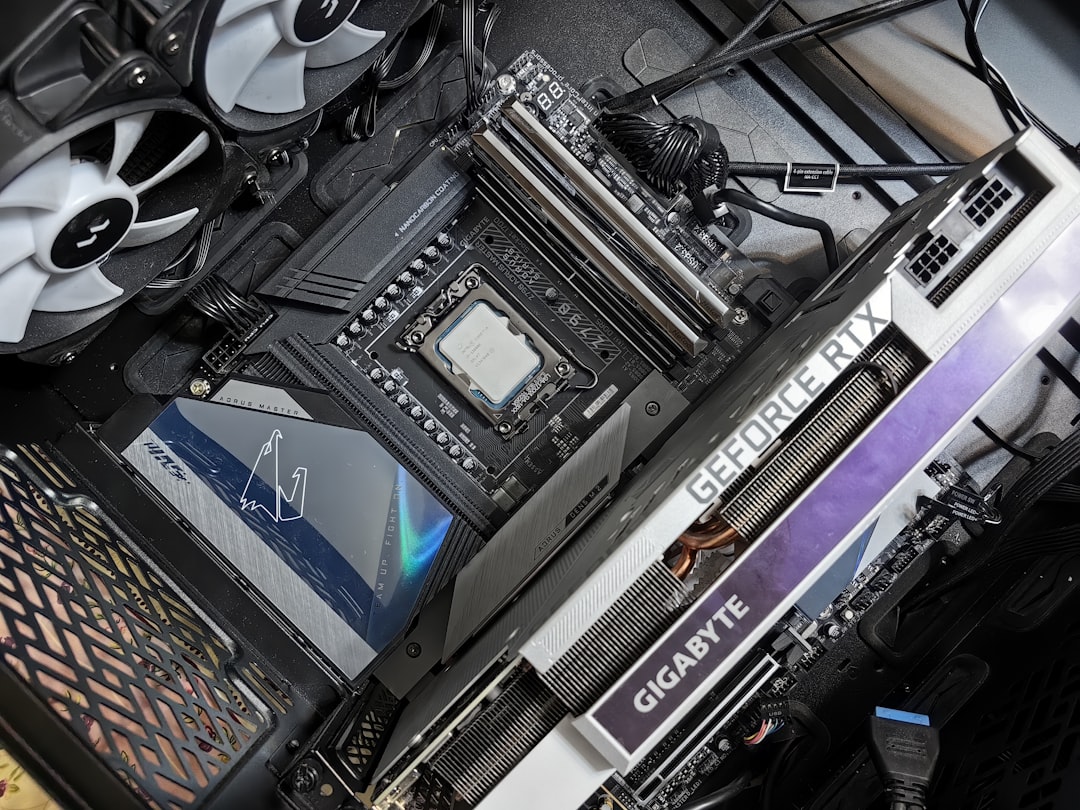
- AI Data Center Growth: Nvidia supplies the chips that train and run modern AI models. Demand from hyperscalers, AI startups, and enterprises typically tracks the broader AI capex cycle, which tends to be cyclical but with long-term growth. If you’re evaluating should nvidia stock investors, the sustained demand from AI workloads is a core anchor.
- Software and Platform Moat: CUDA, software libraries, and developer tools create switching costs. A large installed base means customers stay for performance and ease of integration, which can cushion Nvidia during industry jitters.
- Product Roadmap And Diversification: Nvidia’s push into data center accelerators, networking, and software innovations broadens revenue streams beyond a single product line. A robust product roadmap often reduces the perceived risk from one-off rumors.
- Pricing Power And Margins: In tech hardware chips, pricing power can be strong when demand outstrips supply. Nvidia’s margins have historically benefited from premium pricing in an AI-focused market, though supply chain dynamics and competition can tighten margins at times.
For the investor, the question becomes not only what happens next quarter, but what happens over the next several years as AI adoption accelerates. If the long-term AI cycle remains intact, Oracle and OpenAI rumors may be a temporary perturbation rather than a secular threat.
Assessing The Potential Impact: A Practical Scenario Analysis
Let’s run through a couple of scenarios to ground the discussion in numbers you can use. These aren’t forecasts; they’re exercises to help you think like an investor who wants to quantify risk.
- Scenario A — Minor Buyer Diversion: Suppose Oracle reduces GPU orders by 5% for six months due to a strategic shift, while other customers maintain their pace. If Nvidia’s annual data center revenue is, say, $70 billion, a 5% six-month drag could trim roughly $1.75 billion in revenue spread across the year, modest relative to the full revenue base. For a stock with a high multiple, you might see a short-term price pullback, but profits and cash flow could still advance if overall demand remains resilient.
- Scenario B — Broad AI Capex Slowdown: If rumors trigger a broader pause in AI capex among several large customers, Nvidia could face a more meaningful revenue hit. A 10% decline in data center bookings for a full year might cut revenue by roughly $7 billion, a material amount. The market would react, but if management signals a path back to growth and maintains its AI ecosystem leadership, the stock could recover with time.
- Scenario C — OpenAI In-House Moves: If OpenAI channels a portion of its compute needs in-house or with non-Nvidia hardware, the near-term impact would depend on how quickly other customers pick up the slack. If the lost demand is offset by new customers or higher pricing, the net effect could be muted. If not, you could see a more prolonged weakness in sentiment—but even then, Nvidia’s broader market position remains strong in data centers and autonomous computing markets.
In all scenarios, the question for should nvidia stock investors is how long the disruption lasts and whether the company can accelerate in other AI segments or geographies to compensate. A temporary pause does not equal a permanent problem, especially for a company with a diversified customer base and a robust ecosystem.
How To Decide If You Should Nudge Your Nvidia Position
Deciding what to do with a Nvidia position amid rumors requires a simple, disciplined framework. Here are practical steps you can take, whether you’re a value hunter, a growth investor, or someone who uses a blended approach.
- Baseline Your Exposure: Know how much Nvidia represents in your overall plan. If the stock is a core holding, you might tolerate more volatility. If it’s a smaller satellite position, you may want to rebalance more conservatively.
- Set Clear Triggers: Decide in advance on what news types or price moves would trigger a reassessment. For example, a 8-12% drop within a week following a rumor could prompt a review of the thesis rather than an automatic sell.
- Consider Averages And Scale: If you believe the long-term thesis remains intact, consider a staged buy or sell approach rather than a single all-or-nothing move. A rule like “invest 25% of the planned adjustment now and 75% if the price remains depressed for two weeks” can reduce regret.
- Hedging Can Help: If you have a sizable Nvidia position, consider hedging with options or by using broad AI or tech-sector ETFs to dampen risk. A small allocation to a hedge can help weather unpredictable headlines.
For should nvidia stock investors, the takeaway is not to ignore the headlines, but to translate them into a structured risk plan that uses real data rather than fear as its fuel.
Practical Risk Management For An AI-Focused Portfolio
Beyond Nvidia, a well-rounded approach helps you weather rumors and cyclical swings in AI investing. Here are actionable risk-management ideas that fit a modern tech portfolio:
- Diversification Across The AI Stack: Include exposure to hardware (GPUs), software (AI frameworks), data services, and end-market applications (healthcare, automotive, finance). A diversified AI portfolio reduces single-company risk from rumors.
- Position Sizing: Limit single-stock exposure to a comfortable percentage of your total portfolio. A common rule is no more than 5-10% of equity for a single name, adjusting to your risk tolerance and time horizon.
- Reinforce With Quality Cash Flows: Favor companies with strong balance sheets and healthy free cash flow. Even if a stock sells off on rumors, solid cash generation provides a cushion and potential for future buybacks or dividends.
- Use A Systematic Rebalance: Set a quarterly rebalance cadence to normalize weights after big moves and prevent emotion from steering decisions.
- Leverage Real-Time Signals: Combine earnings outlooks, order book trends, and customer diversity data to gauge how robust Nvidia’s revenue engine remains as rumors swirl.
These steps help you stay disciplined and align decisions with your long-term plan rather than reactionary moves after a single news cycle.
Should Nvidia Stock Investors Stay The Course Or Adjust?
In most scenarios, patient Nvidia stock investors who focus on the long-term AI cycle and the breadth of Nvidia’s ecosystem should not abandon the name at the first whiff of rumor. The combination of a broad customer base, a scalable platform, and ongoing product innovation supports a resilient growth trajectory even when headlines spike. That said, assessing your own risk tolerance, time horizon, and portfolio balance is essential. If you’re more risk-averse, you might prefer to reduce concentration gradually or shift some allocation into diversified tech exposure while monitoring earnings and order trends. If you’re comfortable with volatility and want to lean into the AI growth story, you could view pulled-back prices as potential buying opportunities, provided the fundamentals stay intact.
Conclusion: The Core Takeaway For Should Nvidia Stock Investors
Rumors about Oracle and OpenAI can create short-term noise, but the long-term investability of Nvidia hinges on the strength of AI demand, the resilience of its ecosystem, and its ability to monetize data-center compute. For should nvidia stock investors, the prudent path is to translate news into a structured plan: model potential impacts, diversify around core risks, and use disciplined entry and exit rules rather than knee-jerk reactions. If Nvidia sustains its leadership in AI hardware and software integration, rumors may fade as the company continues to execute on a multi-year AI expansion. Stay focused on fundamentals, and let time do the work while you manage risk with clarity and patience.
FAQ
Q: Should Nvidia stock investors worry about Oracle rumors affecting future orders?
A: Not automatically. Oracle is a meaningful customer for AI workloads, but Nvidia’s diversified customer base and broad AI ecosystem mean a single customer shift is unlikely to derail the long-term trajectory. Look for sustained order trends across several large customers before reassessing the core thesis.
Q: Can OpenAI rumors significantly change Nvidia’s stock price in the short term?
A: It’s possible to see a short-term price reaction due to sentiment and liquidity, but sustained impact depends on whether OpenAI and similar firms shift a meaningful portion of their compute needs away from Nvidia. In the long run, Nvidia’s role in AI infrastructure remains substantial unless a broad, industry-wide change occurs.
Q: What should should nvidia stock investors do during a rumor-driven drop?
A: Avoid impulsive selling. Revisit the thesis, check earnings guidance, examine data-center demand signals, and consider a staged buying plan or hedging to protect capital while keeping exposure to AI upside.
Q: What practical steps help manage risk in an AI-heavy portfolio?
A: Diversify across AI hardware and software, maintain sensible position sizing, set clear price triggers, use hedges like protective puts or broad tech ETFs, and rebalance regularly to keep risk aligned with your goals.
Discussion