Introduction: A Tale of Two Moves in Silver
Investing in precious metals often feels like watching weather patterns: dramatic temperature swings, driven by a mix of supply, demand, and macro signals. In the first half of 2026, silver delivered a classic double act that left many traders scrambling to catch the next cue. We saw a strong move higher, followed by a rapid pullback that tested nerves and strategy alike. For many readers, the big question isn’t merely what happened, but what comes next for the metal that blends industrial value with traditional wealth storage.
The phrase silver surged, then slumped encapsulates the recent price action in a way that helps ordinary investors separate the noise from the signal. This article offers a grounded, data-informed view of what drove the move, what could keep moving in the months ahead, and concrete steps you can take to position responsibly. We’ll combine real-world examples, clear numbers, and simple scenarios so you can plan without needing a finance degree.
What Happened in the First Half of 2026
To understand what lies ahead, it helps to map the two halves of the mid-year swing. In broad terms, silver surged, then slumped as investors priced in changing expectations around inflation, interest rates, and industrial demand. Here are the core drivers that shaped the first-half narrative:
- Monetary policy expectations: When markets anticipate tighter policy or a hawkish pivot, silver often faces headwinds, even as the metal is sometimes used as a hedge against inflation. A shift in the tone from major central banks can trigger quick repricings.
- Industrial demand cycles: Silver’s role in solar panels, electronics, and emerging AI hardware can provide durable support, but quarterly demand can waver with capex cycles and supply chain considerations.
- Risk sentiment: In periods of financial stress or heightened volatility, some investors rotate into and out of precious metals, amplifying short-term price moves.
- Commodity and energy linkage: Silver’s price sensitivity to broader commodity trends and energy costs can reflect global growth expectations and inflation pressures.
In honest terms, the move lived up to both the upside potential and the downside risk that make silver a magnetic, yet sometimes nerve-racking, part of a diversified portfolio. The central question for investors isn’t whether silver will go up or down in a vacuum, but how the asset behaves when the macro backdrop shifts and market liquidity ebbs and flows.
Why the Move Happened: The Underlying Forces
Rational investors don’t chase headlines alone; they look for the levers that move markets over weeks and quarters. Here are the principal forces that explain why silver surged, then slumped, in the first half of 2026:
- Inflation and real rates: When real yields dip, non-yielding assets like precious metals tend to attract interest. If investors expected inflation to hover or rise, silver could be favored; if real rates rose sharply, silver might retreat as opportunity costs mount.
- Industrial bookings and inventories: Silver’s twin identity as a monetary asset and an industrial input means that a burst of orders for solar panels or AI-related equipment can push prices up. Conversely, a pause in capex or inventory normalization can temper gains.
- Geopolitical and supply considerations: Any disruption in mine supply or shifts in recycling dynamics can provide short-term price support, while a smoother supply outlook can ease the upside pressure.
- Investor positioning and momentum: A rapid, momentum-driven move can attract late buyers chasing quick profits, followed by a pullback as profits are taken or risk appetite shifts.
In practical terms, the period was a reminder: silver isn’t just a metal for a defensive sleeve; it’s a dynamic asset that reacts to both the real economy and investor psychology. For many readers, the most useful takeaway is to treat the metal as part of a broader strategy rather than a stand-alone bet on inflation or growth.
What to Expect Next: Scenarios for the Rest of 2026
While nobody can predict prices with certainty, we can outline clear scenarios based on current data points, historical behavior, and credible expectations for the coming months. Here are three practical paths you might consider when planning the next six to twelve months.
Base Case: Growth Stabilizes with Gradual Gains
In the base case, silver holds a broad range near mid-year levels, supported by steady industrial demand and a cautious but constructive macro backdrop. The main features include:
- Annual price range roughly between $22 and $28 per ounce in the second half of 2026, with periodic spikes tied to risk sentiment or macro data surprises.
- Industrial demand providing consistent support as solar installs and electronics manufacturing keep expanding at modest rates.
- Moderate fund- and investor-flow participation, with no dramatic volatility spikes.
Bull Case: Strong Growth in Industrial Demand Coupled with Inflationary Pressure
In a bullish environment for silver, the metal benefits from regained inflation concerns and a robust capex cycle in solar and tech manufacturing. Expect:
- Possible test of the upper end of the late-2026 range, potentially approaching the low-$30s if demand surges and supply remains tight.
- Momentum-driven buying from traders and opportunistic funds, increasing short-term volatility but with higher upside potential.
- Keep an eye on energy and commodity markets; a sustained rally there can lift silver via inflation expectations and risk sentiment channels.
Bear Case: Softening Demand and Hawkish Policy Shifts
If the macro picture worsens or policy becomes more aggressive, silver could retreat from recent highs. Key features include:
- Prices drift lower toward the mid-to-high teens or low twenties, depending on global growth signals.
- Industrial orders slow, and recycling supply accelerates, easing short-term price pressure.
- Investor risk-off behavior intensifies, favoring cash and liquidity rather than precious metals.
Strategies for Investors Today
Whether you’re a longtime stacker, a trader, or a cautious saver, the rest of 2026 offers opportunities to adjust your approach without overreacting to every headline. Here are concrete steps you can take, with practical numbers and examples.
1) Decide How You Prefer to Own Silver
There are multiple ways to gain exposure to silver, each with its own risk and costs:
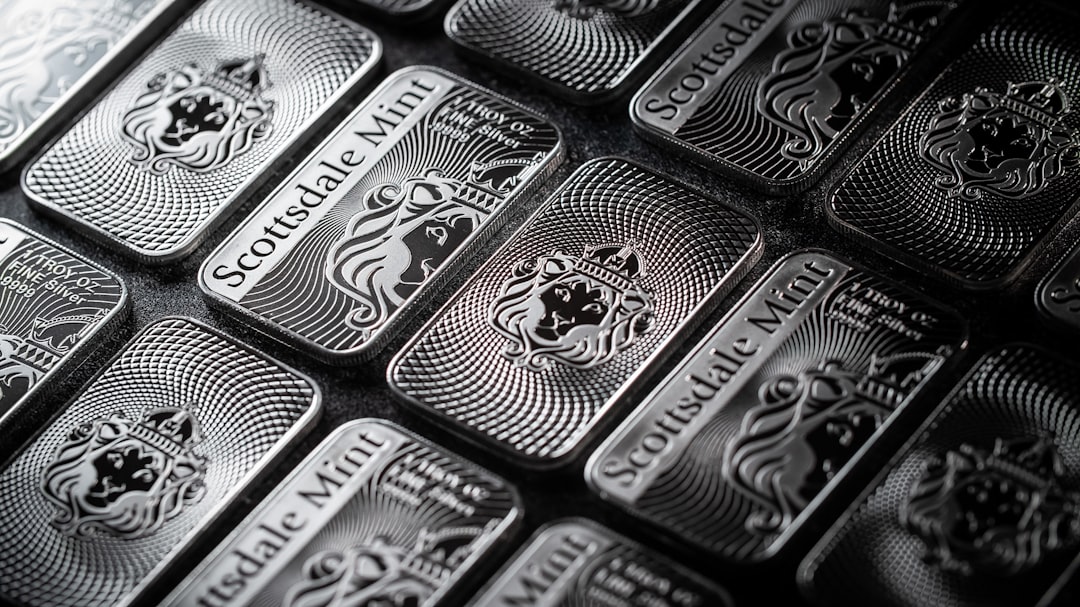
- Physical silver: Bars and coins offer ownership you can store, but you’ll pay minting fees, possible premiums over spot price, and storage costs. Example: A $5,000 allocation here might come with a 5–12% premium depending on form and dealer.
- Silver-backed exchange-traded funds (ETFs): ETFs like a broadly diversified metal fund provide liquidity and ease of trading, with expense ratios typically under 0.50% per year. A $10,000 position could be adjusted quickly with little friction.
- Mining equities: Silver miners offer leverage to the metal price, adding potential upside (and risk). A $5,000 allocation could become a larger percentage if silver jumps.
- Industrial and tech exposure: Some investors gain exposure via solar and electronics-related equities that benefit when silver demand rises.
Actionable takeaway: If you’re new to silver, start with a simple proxy like an ETF or a few ounces of physical silver for a small portion of your overall portfolio. A practical starting point for many households is 2–5% of investable assets in silver exposure, rising to 5–10% only if you fully understand the volatility and how it fits your risk tolerance.
2) Use Dollar-Cost Averaging to Build Position
If you’re concerned about timing, consider dollar-cost averaging (DCA). This strategy reduces the impact of short-term swings. Example plan:
- Split your total target into 6–12 monthly purchases.
- Set automatic orders or reminders. If silver moves, say, 3% in a week, reassess the pace but keep scheduled buys on track.
- Review quarterly to ensure your allocation aligns with risk tolerance and market data, not pure price action.
3) Build Smart Risk Controls
Silver, by nature, can be volatile. A sound plan includes risk controls so losses don’t erode your overall plan:
- Limit exposure to a single metal to a defined percentage of your portfolio (for many, 2–7%).
- Set price alerts and optional stop orders on exchange-traded products to avoid meteoric down moves that sting your discipline.
- Pair silver with other assets that have low or negative correlation to help stabilize portfolio performance.
4) Consider Time Horizon and Goals
Your investment horizon matters as much as the metal’s price action. If you’re saving for a goal within 3–5 years, your approach might emphasize liquidity and minimal drawdown. For longer horizons, you may tolerate more volatility in exchange for higher potential upside over time.
Quantifying the Opportunity: A Simple Case Study
Let’s walk through a concrete scenario to illustrate how these ideas can work in practice. Assume you have $50,000 investable cash and a moderate risk tolerance. Your plan uses a mix of diversification, DCA, and defined risk controls.
5% to silver exposure (about $2,500 initially). Use a 12-week DCA schedule to add up to an additional $2,500 if price declines and a favorable premium environment holds. Place a virtual stop at 12% below your average entry price for silver exposure. If triggered, reassess the position and consider trimming other parts of your portfolio to maintain risk balance.
In this scenario, if silver rises 20% over a few months, you’ll have captured meaningful upside while maintaining a controlled risk footprint. If the metal slides 15% in the same period, your risk guardrails help limit drawdown and keep you on track for your long-term plan. The key is not to chase both potential gains and every day’s noise; instead, you want a plan that works in a range of outcomes.
Pro Tips for Navigating a Silver Cycle
Risks and Things to Watch
All investments carry risk, and silver is no exception. The rest of 2026 could bring a mix of macro surprises, policy pivots, and industry shifts that affect prices. Key risks include:
- Policy risk: A hotter-than-expected inflation print or a hawkish central bank stance can push real rates higher and push silver lower in the near term.
- Industrial demand volatility: If solar installs slow or if AI-related demand softens, the industrial floor beneath silver can wobble temporarily.
- Market sentiment: A shift toward cash and liquidity during volatility can take silver down even if fundamentals remain intact.
Understanding these risks helps you avoid over-committing during a rally and under-allocating when the market pulls back. It also underscores the importance of a diversified approach that reflects your goals and risk tolerance.
Conclusion: A Pragmatic Path Forward
The period when silver surged, then slumped reminded investors that precious metals serve multiple purposes: a hedge, an industry input, and a potential source of diversification. The road ahead for 2026 and into the next year will likely be shaped by inflation dynamics, policy signals, and the pace of real-world demand. Rather than chasing every move, a well-structured plan that combines sensible exposure, disciplined risk controls, and a clear time horizon stands the best chance of delivering solid results. By thinking in scenarios, staying informed about the industrial backdrop, and using practical entry strategies like dollar-cost averaging, you can position yourself to benefit from the metal’s long-term potential while keeping excitement in check.
FAQ
Q1: What caused silver surged, then slumped in the first half of 2026?
A1: The swing reflected a mix of rising inflation expectations, shifts in central bank policy guidance, and changes in industrial demand. When real rates shifted and investor sentiment turned, silver moved quickly, illustrating its dual nature as both a monetary asset and an industrial input.
Q2: How should I position silver in a diversified portfolio?
A2: Treat silver as a satellite holding rather than a core position. Aim for a 2–7% exposure for most portfolios, use dollar-cost averaging to manage entry points, and pair with other assets to reduce overall volatility.
Q3: What’s a practical way to invest without overexposing myself to volatility?
A3: Start with a simple allocation via an ETF or physical silver a small percentage of your portfolio, then gradually add if your risk tolerance allows. Use stop orders or price alerts to manage downside risk and stay aligned with your long-term goals.
Q4: Are mining stocks a good alternative to physical silver?
A4: Mining stocks can amplify gains when silver rises but add idiosyncratic risk. They’re a way to gain leverage to the metal’s price but require research into company balance sheets, debt levels, and production costs.
Discussion