Breaking Shift in Retirement Real Estate as Smart Money Favors Portugal's Silver Coast and Inland Towns
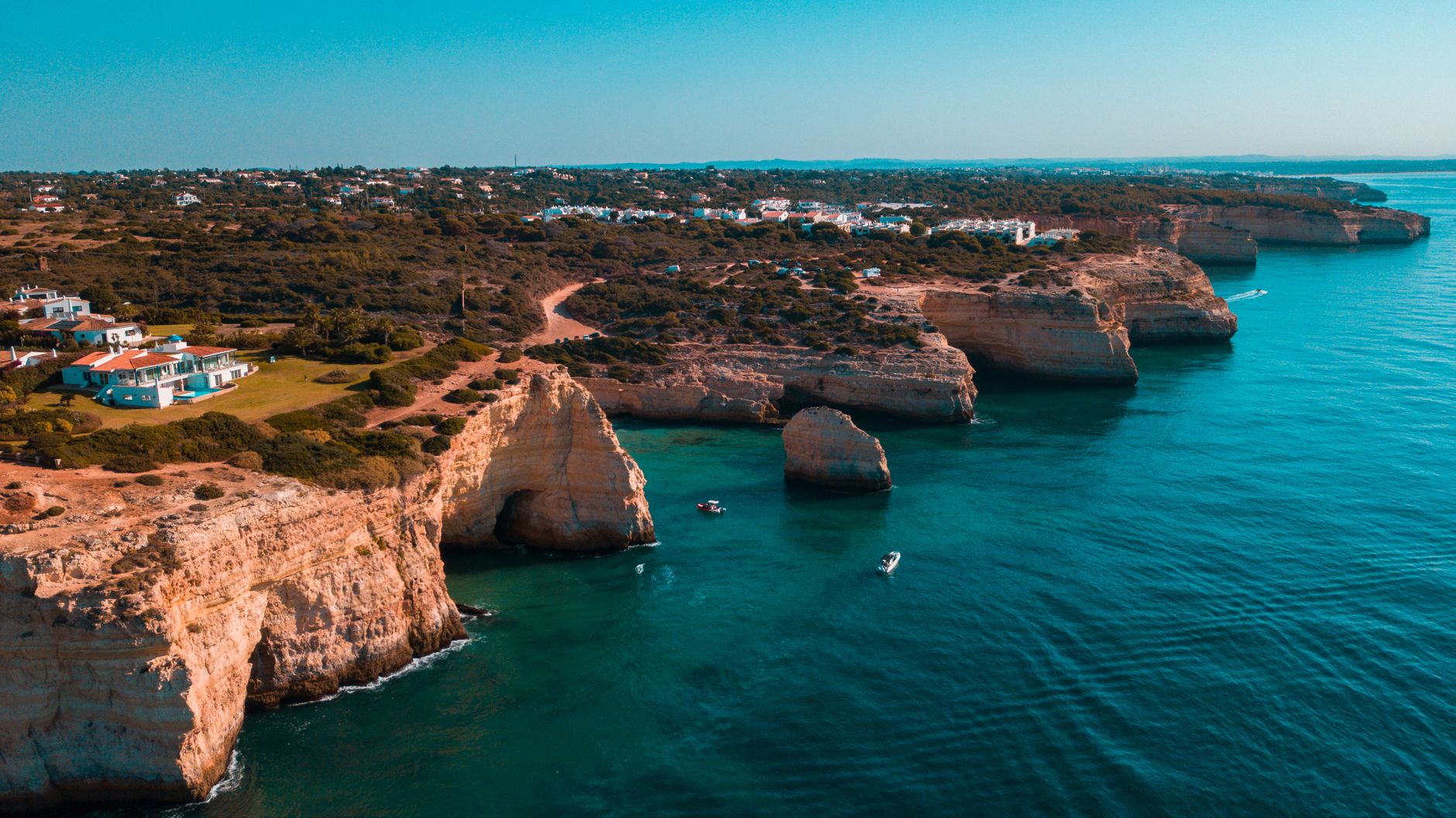
The retirement narrative that once centered on the Algarve is changing. In 2026, investors and aging savers are quietly reallocating their budgets toward Portugal's Silver Coast and inland towns, where costs are lower and day-to-day life remains anchored in practical, long-term planning. The idea that everyone retires algarve portugal remains common, but investors are rewriting the playbook.
The Algarve still lures with sun, golf, and a large expat network, but the premium for those amenities is rising. For many couples in their 60s, the math now favors towns farther north and inland, where housing tends to be cheaper and daily life is less driven by resort demand.
Market backdrop: Why the Algarve lure is losing some traction
The Algarve built its reputation on a steady flow of retirees from Britain, the Netherlands, and the United States. Yet a mix of higher property taxes in resort zones, rising maintenance costs, and a general shift toward value over proximity to coastal glamour has dampened that once-strong draw for some buyers.
Advisers point to simple arithmetic: even a modest price premium on coastfront living can erode retirement budgets when recurring costs climb. In an inflationary environment where the U.S. CPI rose 0.5% in May 2026 and posted a 4.2% rise over the last 12 months, the need for predictable expenses becomes a priority for long-term housing plans.
Where smart money is heading in Portugal
Retirees and remote workers who want the lifestyle without the Algarve sticker price are looking toward the Silver Coast and a handful of inland towns that offer similar public services and health care access with lower housing costs. The towns of Caldas da Rainha, Nazaré, Tomar, Óbidos, Coimbra, and Évora stand out as focal points for this shift.
- Caldas da Rainha: lower entry costs, strong town services, and a reputations for stable property values.
- Nazaré: a coastal town with family-friendly appeal and more attainable prices than the Algarve.
- Tomar and Óbidos: historic centers linked by efficient rail to Lisbon and reduced living costs.
- Coimbra: a university city with solid health facilities and a vibrant expat community.
- Évora: inland culture hub with strong healthcare access and heritage-driven pricing.
Cost comparisons and the numbers behind the shift
For a couple in their mid-60s who own a two-bedroom apartment outright, the annual budget in these regions typically looks like this:
- Property tax, condo fees, and maintenance: about 4,500 USD per year
- Groceries and daily essentials: around 8,000 USD per year
- Utilities and internet: roughly 2,400 USD per year
- Private health insurance or out-of-pocket medical costs: about 7,000 USD per year
- Car costs, fuel, and occasional rail travel: around 4,000 USD per year
Taken together, these regions can deliver total annual costs in the mid-20,000s to low-30,000s dollars, depending on lifestyle, location, and timing of healthcare needs. The math often pencils out more favorably than the Algarve when the goal is long-run sustainability rather than short-term glamour.
Macro context: currency, inflation, and the Portugal advantage
Currency dynamics and public-price signals matter. The euro-dollar exchange rate has hovered in a range that makes euro-denominated living costs appear affordable to U.S. buyers, particularly when measured against local inflation and wage trends. In Portugal, a public healthcare system backed by private options adds a layer of resilience for expat retirees who want predictable costs and access to care without the premium demanded by luxury resort markets.
Portugal’s broader public services ecosystem helps stabilize long-run budgeting for retirees who value healthcare, schooling, and municipal services on solid footing. When paired with a lower cost of ownership outside the Algarve, this backdrop makes inland and Silver Coast towns compelling for a new generation of retirees and investors.
Quotes from market watchers and retirees on the shift
Analysts and retirement-planners are watching the data converge with lived experience. Ana Costa, a wealth adviser focusing on Southern Europe, notes a practical tilt away from coastlines toward communities with similar charms and fewer price pressures:
We’re seeing a clear tilt from the Algarve toward towns that deliver the same quality-of-life signals—safety, healthcare access, and a calm pace—without the same premium on the real estate price tag.
economist Rui Fernandes adds:
The long-run math favors the Silver Coast and inland hubs for households aiming to preserve capital and maintain a comfortable standard of living through retirement.
What this means for buyers, renters, and developers
Developers and investors are recalibrating demand maps. The shift toward more affordable, well-served inland towns creates opportunities for renovated apartments, townhouses, and mixed-use developments that blend lifestyle with practicality.
- Increased listings in Caldas da Rainha, Nazaré, and nearby towns at price points materially below Algarve equivalents for similar spaces.
- Rail and road upgrades improving Lisbon access from inland hubs, boosting liquidity potential for resale and rental markets.
- Healthcare capacity expansion alongside private clinics to meet growing expat and local demand.
- Tourism and retirement-focused offerings diversifying regional economies beyond the coast.
The risk and resilience angle
Of course, no one should assume inland areas are risk-free. Climate resilience, drought exposure, and energy costs still matter when planning long-term homeownership. The Algarve’s climate remains a draw for many, and it will continue to attract some retirees who prioritize year-round sun and resort lifestyle. For others, the trade-off of shorter Lisbon commutes and far lower housing costs is a smart bet worth taking.

The bottom line: Everyone retires Algarve Portugal is not the only script
The retirement playbook in Portugal is evolving. The Silver Coast and select inland towns offer a compelling mix of affordability, healthcare access, and lifestyle quality that resonates with today’s savers and remote workers who want to spend less on housing while keeping a strong public-service backbone. For many couples in their 60s and 70s, the new geography of retirement in Portugal is taking shape in real time. The phrase everyone retires algarve portugal may echo, but smarter plans are steering toward towns where the life you want comes with less financial friction.
Data snapshot and quick takeaways
- Exchange rate context: euro-dollar dynamics influence cost comparisons in real time.
- Estimated annual cost range for a couple in mid-60s in Silver Coast and inland towns: roughly 25,000 to 30,000 USD, depending on lifestyle.
- Key towns gaining traction: Caldas da Rainha, Nazaré, Tomar, Óbidos, Coimbra, Évora.
- Healthcare framework: strong public system with expanding private options across regional centers.
- Connectivity improvements: rail and road projects enhancing Lisbon access from inland hubs, supporting resale prospects.
Markets and retirees alike are watching the economic weather and the evolving geography of retirement in Portugal. The Algarve remains a powerful brand, but the smarter, quieter trend is taking shape in the Silver Coast and inland towns where the life you want comes with a more attainable price tag. If you’re weighing a move, consider how these shifts affect your long-run budget, healthcare needs, and daily life in a country that blends tradition with modern living.

Discussion