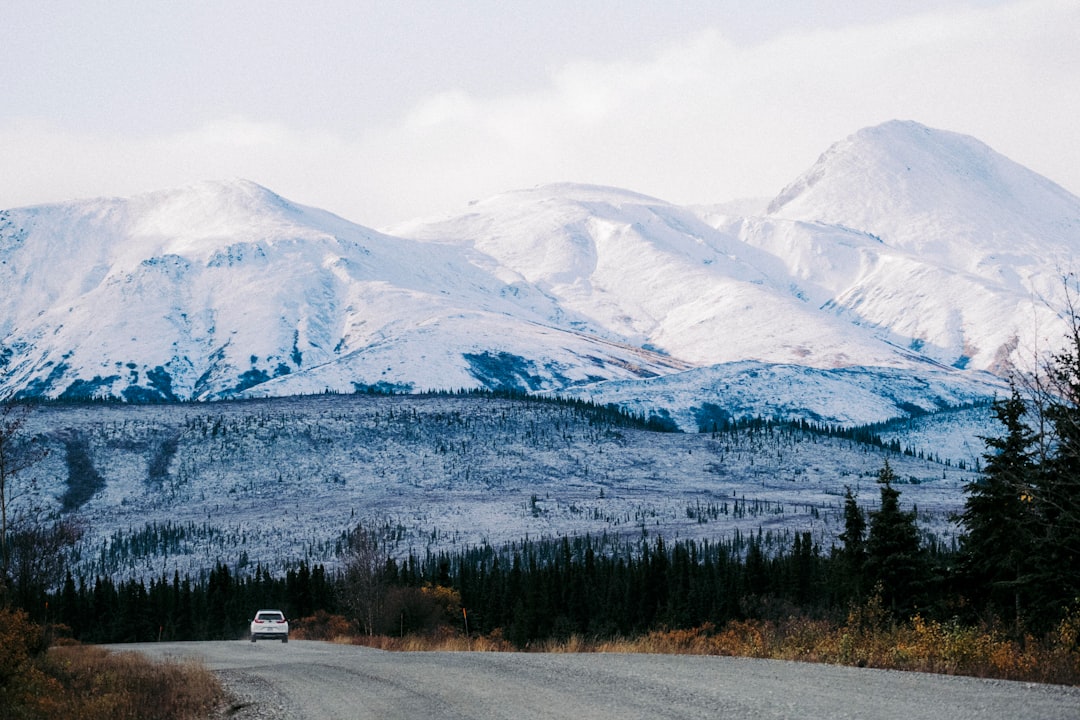
Anchorage Lure Meets a High Cost of Living
June 23, 2026 — In a year when markets swing and inflation remains stubborn, Alaska threads a unique needle for retirees. The appeal is clear: vast landscapes, endless daylight in summer, and a sense of space not found in many metro areas. Yet pulling back from a career and living on a fixed portfolio in Anchorage carries real price tags that can surprise even careful planners. The phrase some people retire alaska has become a talking point in budgeting circles, even as the numbers demand scrutiny.
A typical retiree entering Alaska faces costs that are higher than most people expect when they first build a plan for the Lower 48. Beyond the headline price gaps, the combination of long winters, remote services, and travel costs changes the expense landscape in meaningful ways.
The Budget Equation: A Hypothetical Alaska Retirement
Consider a 67-year-old with a $1 million stock-and-bond portfolio, no pension, and Social Security of roughly $2,800 per month. In Anchorage, the annual budget for a single retiree tends to run higher than the national average, even before medical or travel needs are wired in.
Financial planners commonly stress two lines: what you can reasonably withdraw and what you must cover for health, housing, and essential services. With a starting portfolio of $1 million, a sustainable withdrawal strategy typically targets about 3% to 4% per year in the early years, translating to $30,000 to $40,000 of pretax income from investments. Add $33,600 a year from Social Security, and the gross cash flow looks manageable—if costs stay predictable and healthcare surprises stay modest.
Cost Drivers in Alaska: What Actually Drains the Wallet
Anchorage sits at the heart of Alaska’s higher price reality. Basic goods, utilities, and healthcare come with premium hurdles that aren’t as pronounced in the continental states. The groceries that arrive by air or barge travel longer distances, boosting prices. Home heat and electricity climb during winter when the city’s utility bills spike. Insurance, home repairs, and professional services face higher labor and material costs because skilled trades and specialists are less abundant.
Healthcare is the clearest ongoing risk for retirees who choose Alaska. Specialist visits can be scarce without travel to the Lower 48 or Seattle, and some complex procedures require months of planning and thousands in travel expenses. Budgeters often set aside extra funds for medical travel or unforeseen care, which can quietly push annual costs higher than anticipated.
Anchorage’s Real Costs at a Glance
- Housing: Median rents and home prices in Anchorage run higher than the national average, with two-bedroom apartments commonly in the $1,600–$2,400 monthly range and home values trending above national norms.
- Utilities and heating: Winter bills can be 20%–40% higher than many other markets due to heating needs and climate controls.
- Groceries: Food costs edge above national averages because much of the supply is shipped or flown in, increasing both staples and perishables.
- Healthcare: Alaska health costs sit at the top end nationally, with limited local specialists and occasional need to travel for certain services.
- Travel: Visiting family and the cost of trips to the continental U.S. can add up, given the geographic distance and booking premiums.
Some People Retire Alaska—But At What Price?
For some households, Alaska’s allure translates into a workable retirement plan. For others, the math is tighter. The reality is that some people retire alaska is an appealing ideal, yet sustaining a comfortable lifestyle requires disciplined budgeting and potential adjustments to expectations. At the heart of the decision is whether a $1 million nest egg, plus Social Security, can cover a broader set of risks—ranging from healthcare spikes to energy costs and housing maintenance in a remote, prolonged winter season.
“Alaska is a place of unmatched scenery and public safety in a quiet, small-town sense,” says Maria Chen, a retirement planner based in Anchorage. “But the flip side is that every major expense—housing, food, healthcare—gets magnified by the location. If you don’t plan for that, you’ll see a larger slice of your portfolio consumed by these factors.”
What a Retirement Plan Looks Like in Practice
Retirees in Alaska typically build a plan around three pillars: predictable income streams, a cash reserve for emergencies, and a cautious investment approach that prioritizes reliability over aggressive growth. The three-tiers approach helps mitigate a few Alaska-specific hazards, such as healthcare shocks or sudden need for home repairs after a rough winter.

Here is a snapshot of what a balanced plan might include:
- Annual withdrawal target: 3%–4% from investments (roughly $30,000–$40,000 for a $1M portfolio).
- Social Security: Approximately $33,600 per year from a $2,800 monthly benefit, beginning at full retirement age or later to maximize payouts.
- Emergency fund: A separate $50,000–$100,000 cushion to absorb housing repairs, medical travel, or energy shocks.
- Healthcare strategy: A blend of Medicare coverage, supplemental plans, and a travel budget for non-local care when necessary.
How Market Conditions Shape the Alaska Path
Today’s markets reward careful withdrawal planning and flexibility. A 2024–2026 environment with moderate inflation but volatile asset prices tests the most conservative strategies: a fixed annual draw must adjust for rising living costs and potential medical needs. For some people retire alaska, the risk isn’t just investment risk; it’s the risk that daily expenses outrun income over a multi-decade horizon.
In practice, retirees who couple investment income with Social Security tend to fare better when they maintain a broad, diversified portfolio with a meaningful allocation to income-producing assets. They’re also prepared to tilt spending toward the essentials during lean years, while preserving some discretionary spending for Alaska’s unmatched outdoors experience and travel opportunities.
Travel, Healthcare, and Insurance: The Alaska Premiums
Travel remains a recurring cost for many retirees in Alaska, especially when family visits are common or when medical travel is needed. A single round-trip flight from Anchorage to major western hubs can carry a price tag that strains a fixed budget, particularly during peak holiday periods. Insurance costs, including homeowners and long-term care, often carry premiums above national averages due to a combination of risk and logistics.
Then there is the question of maintenance: a remote home requires upkeep that can be more expensive because professional services are less accessible. Alaska’s climate and insulation needs translate into higher energy usage and more frequent home improvements—factors that frequently show up in year-end budgeting discussions among retirees and planners alike.
For readers weighing the idea that some people retire alaska may be a workable plan, here are practical steps to test the feasibility before making a move:
- Run a two-decade cash-flow forecast that includes inflation, healthcare costs, and taxed income.
- Build a dedicated Alaska expense worksheet covering housing, utilities, groceries, travel, and care needs.
- Solicit quotes for essential coverage (home, health, long-term care) and estimate emergency costs for major repairs.
- If you’re still employed, consider delaying Social Security to maximize benefits, especially if you plan to live in a high-cost area like Anchorage.
- Audit your portfolio’s risk tolerance and adjust to ensure predictable income while preserving upside opportunity during favorable market periods.
The Bottom Line for Some People Retire Alaska
Anchorage offers the rare mix of urban amenities and access to vast wilderness, a combination many retirees find irresistible. But the cost-of-living reality, healthcare options, and long winters can stretch even a well-structured plan. The central takeaway for some people retire alaska is that lifestyle dreams must be matched with disciplined budgeting and flexible income strategies. A $1 million portfolio, paired with Social Security, can work under the right conditions, but it requires meticulous planning, an emergency cushion, and a readiness to adapt as Alaska’s costs shift with weather, policy, and energy markets.
Where the Market Stands Now
As markets continue to digest higher-for-longer inflation signals and global supply dynamics, the Alaska retirement conversation remains timely. Financial planners note that the most resilient plans blend steady income, diversified assets, and a willingness to adjust spending in response to cost pressures. With the economy evolving and real estate prices fluctuating in Alaska’s major cities, the decision to retire there is rarely a simple yes-or-no call. It’s a careful balance of dreams, dollars, and a readiness to navigate a northern frontier where every season tests budgeting resilience.
Discussion