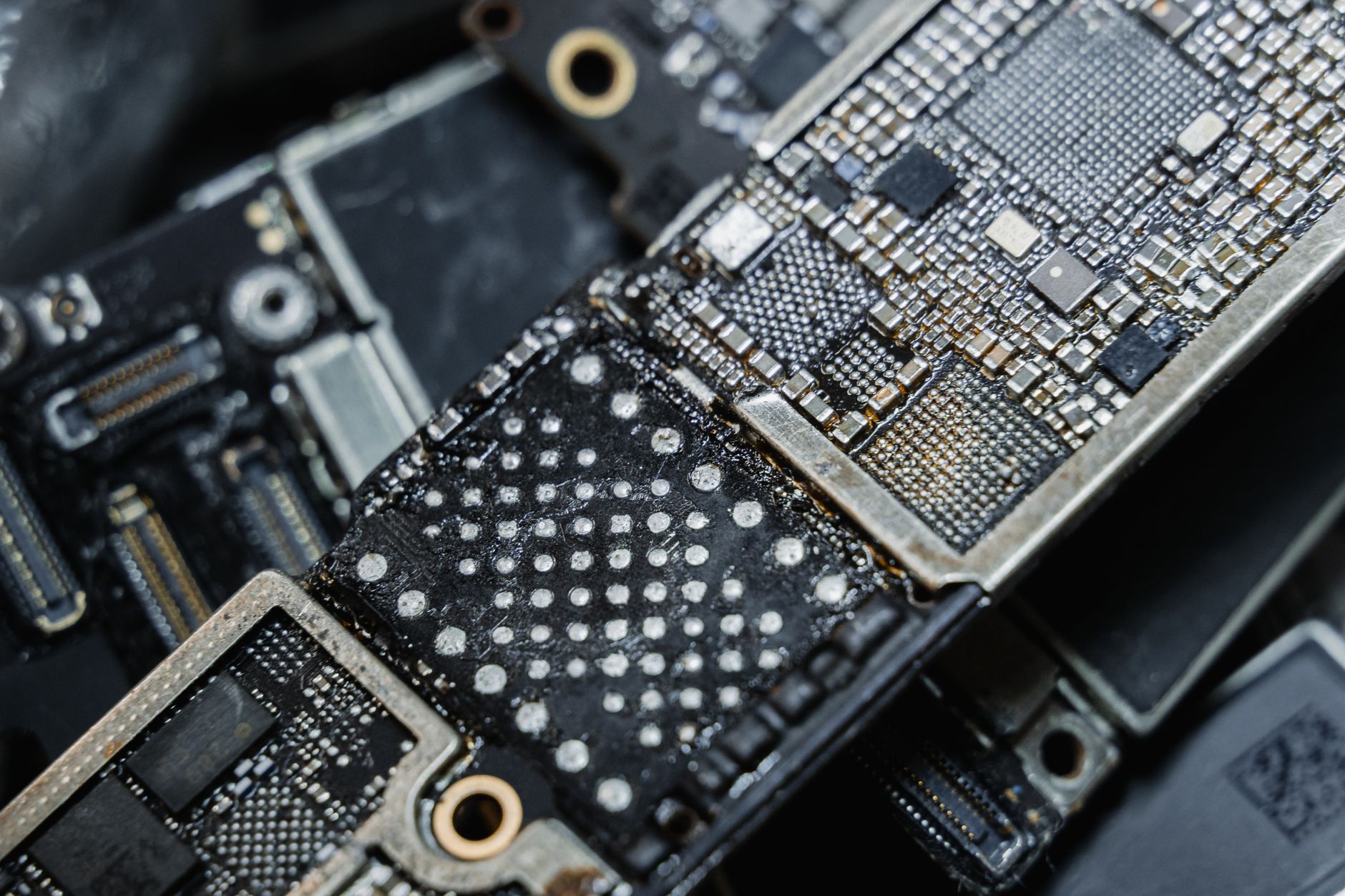
Market Backdrop as AI Demand Accelerates
Chipmakers and their suppliers have become a focal point for investors as AI computing drives demand for memory, logic, and semiconductor equipment. In 2026 the rally has broadened from the largest design names into the broader supply chain, lifting ETFs that track pure-play semiconductor exposure. As of June 9, 2026, data shows a notable split in performance between the two leading chip ETFs, signaling how index design can tilt risk and reward in a volatile cycle.
Year-to-date, the iShares Semiconductor ETF (SOXX) has led the charge with a broad-based gain of 86.78%, while the VanEck Semiconductor ETF (SMH) has advanced 64.11%. Over the trailing 12 months, SOXX delivered roughly 160% versus SMH at about 135%. The divergence has helped investors rethink which fund offers the right breadth for a cyclical tech rally that is increasingly powered by capital equipment and manufacturing capacity rather than just design leadership.
What Each ETF Really Holds
Understanding the structural differences helps explain the performance gap. SMH follows a 25-stock index that caps any single name at 10% at each rebalance, creating a tilt toward the design and large-cap leaders without letting one name dominate. On June 9, 2026, the top weights were concentrated around NVIDIA at 15.55%, TSM at 9.78%, Micron at 7.28%, AMD at 7.22%, and Intel at 6.56%.
SOXX, by contrast, tracks the NYSE Semiconductor Index and comprises roughly 30 holdings. It uses tighter weighting bands and tends to allocate more capital to equipment makers such as Applied Materials, Lam Research, and KLA. The result is a broader exposure to the capital equipment side of the value chain, a tilt that tends to participate more in broader-cycle opportunities rather than relying on a handful of chip-design winners. NVIDIA’s weight in SOXX sits closer to 9%, notably lower than SMH’s concentration in that stock.
In short, SMH leans toward the end-user design and the most proven chip names, while SOXX leans toward breadth across the supply chain and equipment manufacturers. This structural difference matters when AI cycles shift, supply chains tighten, and capital expenditure cycles swing between boom and pause.
Performance Snapshots That Tell the Tale
Through June 9, 2026, the performance gap widened as the equipment cycle and breadth-led exposure came into stronger focus. The data below summarizes what investors could have seen in the first half of 2026:
- SOXX YTD: 86.78% gain; SMH YTD: 64.11% gain.
- SOXX trailing 12 months: about 160%; SMH trailing 12 months: about 135%.
- Five-year horizon: SMH up roughly 391% during that span; SOXX’s five-year figure remains substantial, though the exact number varies with market cycles and quarterly rebalances.
These numbers underscore a broader theme: 2026 has rewarded breadth and equipment exposure as AI-related capex cycles extended beyond a few marquee names. The performance spread reflects market re-rated expectations for suppliers that can scale production and manage global supply chain risks alongside chip designers that push for leading-edge process nodes.
Soxx: Which Semiconductor Smarter? The Debate Gets Real
For many investors, the phrase soxx: which semiconductor smarter has become a shorthand for weighing breadth against concentration. The two ETFs answer the question differently: SMH anchors on big-cap designers with high innovation visibility, while SOXX provides a wider net that includes more equipment and process players. The contrast matters not just for returns, but for risk management in a period of ongoing geopolitical strain, chip shortages, and shifting supply chains.
“The core decision comes down to how you want your portfolio to ride the AI wave,” said Amina Patel, Senior ETF Strategist at NorthBridge Capital. “If you want pure exposure to the leaders driving chips, SMH is the bet; if you want steadier participation across the ecosystem, SOXX offers broader coverage and potentially more resilience in pullbacks.”
Investors also ask about the ongoing question of soxx: which semiconductor smarter yields the best mix of growth and risk control in 2026. The answer, market watchers say, depends on time horizon and risk tolerance. In a cycle where capital equipment names can re-rate on better utilization and supply discipline, SOXX’s breadth may keep it more aligned with the broader chip-cycle recovery. Conversely, a focus on the hottest design names can deliver outsized upside when leadership returns to a few flagship players.
Which ETF Should You Own? A Readout for 2026 and Beyond
The decision between SMH and SOXX isn’t a binary call but a matter of portfolio design. Here are practical takeaways for readers navigating 2026 and looking ahead:
- If you crave momentum and potential outsized gains tied to the top chip names, SMH’s concentrated exposure can be a powerful lever when leadership remains with NVIDIA, TSM, and a few others.
- If you want diversification across the supply chain risk and stability across a wider set of players, SOXX’s broader exposure to equipment and fabrication names may offer steadier participation as the AI cycle matures.
- Fees are similar across both funds, so the differentiator is holding structure and breadth of exposure—not expense alone.
- Both funds ride the AI cycle, but the timing of reallocations and the pace of capex discipline can change which ETF leads on a given quarter.
For readers concerned with the core question soxx: which semiconductor smarter in a real-money portfolio, the answer hinges on your tolerance for concentration versus breadth. In a volatile market, breadth tends to cushion swings, but concentrated bets can deliver larger upside in a narrow leadership phase. The market’s current climate favors breadth as AI demand broadens beyond the most famous chip names, yet the tech royalty of top players still commands attention in any allocation scheme.
Data-Driven Takeaways and Watch Points
- Market backdrop: AI compute demand continues to drive chipmakers, with equipment players gaining momentum as capacity expands.
- Index design matters:SMH restricts single-name weight at rebalance, while SOXX uses tighter bands to broaden exposure to the ecosystem.
- Performance discipline: The 2026 rally has become more inclusive, giving SOXX the edge on breadth and downside resilience in some pullbacks.
- Risk factors: Ongoing supply chain risks, geopolitical tensions, and potential changes in AI deployment pace all affect how each ETF performs from quarter to quarter.
Bottom Line
As investors weigh soxx: which semiconductor smarter in a market shaped by AI adoption, the choice ultimately returns to strategy. If your aim is diversified participation across the semiconductor value chain and a tilt toward capital equipment, SOXX makes a strong case in 2026. If you’re chasing the most dynamic design names and are comfortable with concentration, SMH remains a compelling option for upside in a leadership-driven rally.
In the end, a pragmatic approach may involve a blended exposure or a strategic rebalance that reflects the current cycle. Either way, the semiconductor ETF story remains a critical barometer for tech demand, supply chain health, and the pace of AI-driven innovation in 2026 and beyond.
Note: All performance figures cited are as of June 9, 2026, and reflect price return data for the respective ETFs. Investors should consult updated fund disclosures and consider their own risk tolerance before making changes to their portfolios.
Investors and analysts alike will continue watching the evolving AI demand cycle, the pace of capex, and the tempo of supply constraints as they weigh soxx: which semiconductor smarter for the next phase of the market cycle. The answer may shift with the quarter, but the core framework—breadth versus concentration—will likely stay central to the decision.

Discussion