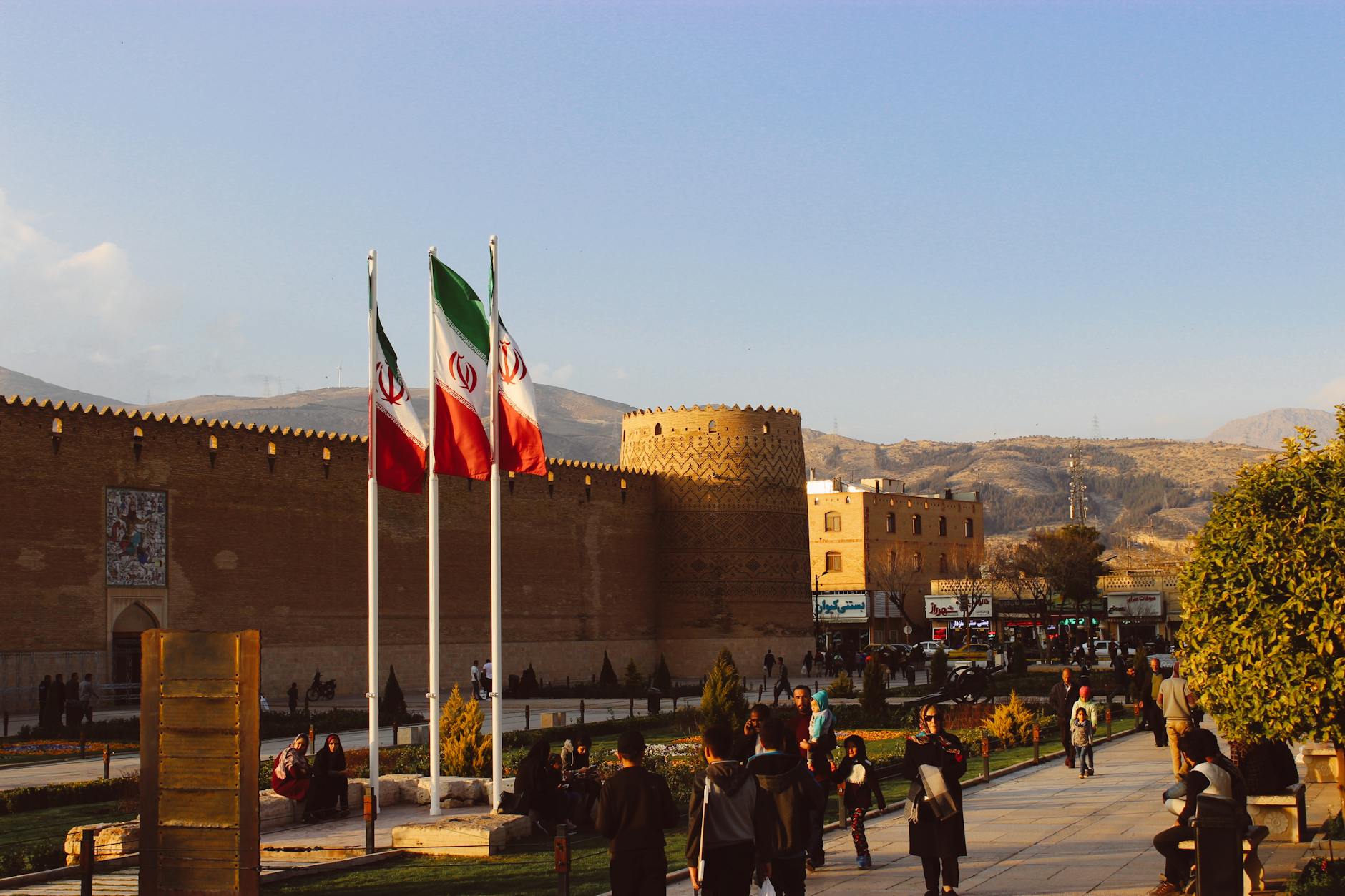
Market Snapshot
Equities opened higher across the board on Wednesday as traders priced in fresh optimism surrounding talks over Iran and a potential de-escalation of regional tensions. The S&P 500 led gains, climbing roughly 1% in early trading, while the Dow Jones Industrial Average and the Nasdaq Composite advanced about 0.9% and 1.2%, respectively. The broad rally signaled a rare moment of synchronized strength in U.S. equities amid a backdrop of global uncertainty.
- S&P 500 up about 1.0% in morning trades
- Dow Jones +0.9%, Nasdaq +1.2%, Russell 2000 +1.3%
- Oil prices retreating; WTI around $98.50 per barrel, Brent near $99.80
- VIX volatility index hovering in the mid-20s, signaling ongoing caution
Investors are weighing the potential for a negotiated settlement in the Middle East against lingering supply concerns and global growth prospects. Early trading conditions suggested a relief rally, with traders favoring cyclicals and value-oriented plays as energy benchmarks tumbled on the news flow.
Diplomacy Sparks Market Relief
Reports circulating overnight that a U.S.-backed peace framework for Iran could pave the way for a reduction in geopolitical risk helped lift risk assets. Traders described the moment as a turning point that could ease supply-side pressures from the Middle East if tensions cool. In more concrete terms, crude oil gave back a substantial portion of its recent gains as fears of supply disruptions eased, allowing inflation-sensitive sectors to extend gains.
- Oil slipped to near the $100-per-barrel threshold after trading above it in recent weeks
- Some analysts expect a slower pace of inflation and a potential normalization in energy markets
- Equity futures and cash markets pointed toward a positive open across sectors
Market participants cautioned that the narrative remains fragile. A key threshold flavoring sentiment is the ability of diplomatic negotiations to hold under scrutiny. As one portfolio manager noted, the market is still navigating a world where headline risk can reassert itself at any moment.
Stocks and Sectors: Winners and Losers
With oil easing, energy stocks gave back some ground. Major integrated giants and upstream names traded lower in the first hours of trading, as investors rotated into cyclicals and consumer plays that benefit from lower fuel costs and a potential rebound in travel demand. In contrast, transportation and leisure-related pockets saw benchmarks move higher on hopes for a slower inflation path and cheaper operating costs.
- Exxon Mobil and Chevron traded down modestly as energy equities retreated
- Airlines such as United Airlines advanced on the back of lower fuel costs and brighter leisure demand expectations
- Cruise lines and travel-related stocks attracted buyers on an improved outlook for consumer travel
The shift in sector leadership underscores how a de-escalation scenario could affect the broader economy: lower energy input costs, steadier consumer spending, and a more favorable backdrop for discretionary investments.
Investor Voices: What Market Veterans Are Saying
Market veterans highlighted the delicate balance between relief and risk. One veteran strategist remarked that the move could be a classic case of a short-lived risk-on rally if the Iran talks progress, but warned that any setback in negotiations would likely reverse gains quickly. rips higher hope iran has become a talking point on trading desks, a shorthand for the current mood of cautious optimism mixed with geopolitical vigilance.

- Analysts from Crescent Gate Capital say the price action is consistent with de-escalation expectations but remain wary of rally sustainability
- Strategists at Summit Ridge Advisors note that oil price relief could spill over into consumer-facing equities if the trend persists
“A credible de-escalation path would remove a major risk premium embedded in asset prices,” said Maria Chen, senior strategist at Pine Street Capital. “If diplomacy holds, we could see a steadier trajectory for both equities and energy markets.”
Omar Khan, energy analyst at Crescent Research, added that cheaper fuel costs could translate into meaningful margins for airlines and industrials, potentially extending the rally beyond commodity-sensitive names. “The market is pricing a slower inflation impulse, which would be a positive for rates and equity valuations,” he said.
What to Watch Next
Traders say the near term will hinge on two levers: the momentum of Iran-related diplomacy and the response of oil markets to any new tempering of supply concerns. If talks progress meaningfully, risk assets could continue to grind higher. If negotiations stall or face a setback, the market could retrace much of Wednesday’s gains as oil rebounds and volatility reasserts itself.
- Key data this week include inflation prints, consumer spending indicators, and central bank commentary that could recalibrate rate expectations
- The VIX remains a barometer of fear; a move back toward the 20 level would signal growing complacency, while a jump toward 25 or higher would warn of renewed risk aversion
- Watch for sector rotation signals as investors reassess beneficiaries of energy relief and potential laggards during a de-escalation phase
Bottom Line
As the market grapples with a potential Iran peace framework and oil prices drifting lower, the S&P 500 appears positioned for a period of cautious gains. The morning rally reflects a broad relief mood rather than a guarantee of lasting momentum. Investors must stay alert to headlines from diplomacy talks and commodity markets, as any shift in the tone of negotiations could quickly alter the trajectory of stocks, bonds, and currencies.
In the near term, the phrase rips higher hope iran continues to echo through trading desks, a reminder that geopolitical risk still sits at the core of market dynamics. Yet for now, the present mood favors risk appetite, with the market betting that de-escalation could unlock a steadier, more predictable path for equities and the broader economy.
Discussion