SpaceX remains private as market chatter swells around a potential IPO
As of June 5, 2026, SpaceX has not disclosed any official plan or timeline for an initial public offering. The company continues to operate with private funding, a sprawling valuation, and a public profile that dwarfs many listed peers. Yet investors and analysts are increasingly debating what it would take for a SpaceX IPO to succeed in today’s market, and how much weight retail participation would carry in a float of this size.
Private-market participants point to a long list of logistical and regulatory hurdles before a SpaceX stock sale could occur. Even with a window opened by a pickup in overall market activity, the IPO would face high scrutiny over valuation, disclosure requirements, and the potential for a volatile first day of trading. In short, the event would be unlike most typical tech listings and would demand more than just a strong growth story.
Retail buyers could become a decisive factor, insiders say
Industry voices have begun to map a narrative around how SpaceX could be priced and distributed to a wide audience of individual investors if an IPO ever happens. Market observers say that "elon musk needs cultish" support from everyday investors would be a decisive factor if SpaceX ever goes public. The idea: a large base of retail buyers could supply liquidity, stabilize an opening price, and help the company reach the scale its founders envision.
One hedge-fund manager who follows private-to-public transitions said the challenge would be balancing a high-flying private culture with strict public-market oversight. "elon musk needs cultish" buy-in alone cannot substitute for a durable business narrative, the manager noted, adding that the IPO's success would also hinge on clear milestones around profitability and capital deployment.
Retail participation would likely shape several critical decisions, from the timing of any IPO to the composition of the offering. If a public listing were ever to proceed, underwriters would likely design an IPO with broad retail access, possibly through a multi-tranche structure that includes traditional primary issuance and a parallel secondary sale. In such a scenario, everyday investors could become a sizable force in determining not only the initial price but also the post-IPO trading range.
Market backdrop: what the IPO window looks like in 2026
The broader IPO market has trended cautiously in 2026. After a stuttering 2025, investors are weighing valuations against rising interest rates, geopolitical risks, and the pace of innovation funding. Analysts say that even a marquee name like SpaceX would have to contend with a more discerning investor base that expects transparent milestones and a credible path to profitability.

Volatility remains a defining feature of this cycle. A wave of late-2020s tech listings, previously expected to follow an easy funding path, has shown that big-name IPOs can stall if early reviewers fear overhang, excessive burn rates, or uncertain regulatory trajectories. In this context, the retail angle—how much everyday money comes in and at what price—could be the fulcrum on which SpaceX’s hypothetical IPO tips.
What would be required for a SpaceX IPO to work for everyday investors?
While SpaceX has never disclosed a timetable for an IPO, market strategists outline several conditions they’d expect to accompany a successful public debut. First, an explicit, credible plan to reach sustained profitability would be essential. Second, a clear story about capital allocation—whether for new rocket programs, starship development, or satellite ventures—would need to resonate with a broad audience. Finally, a well-structured retail-access program would be crucial to ensure that individual investors could participate without undue risk or access barriers.
Retail investor enthusiasm is not a given, even for high-profile tech names. A number of private-market participants caution that retail dollars can be fickle, and that a SpaceX listing would carry a unique mix of growth potential and safety concerns tied to spaceflight economics, government contracts, and long-cycle product development. The result could be a delicate balance between capturing the excitement around the brand and maintaining a disciplined pricing narrative that protects ordinary investors from abrupt price swings.
What’s at stake for Elon Musk and the SpaceX business strategy
If SpaceX ever advances toward an IPO, leadership would face a fundamental decision: how to translate a private venture’s momentum into a publicly tradable growth engine. The leadership team would need to show that capital raised through an offering would accelerate strategic bets—whether on heavy-lift rockets, satellite networks, or other frontier technologies—without compromising risk controls that private backers have tolerated so far.
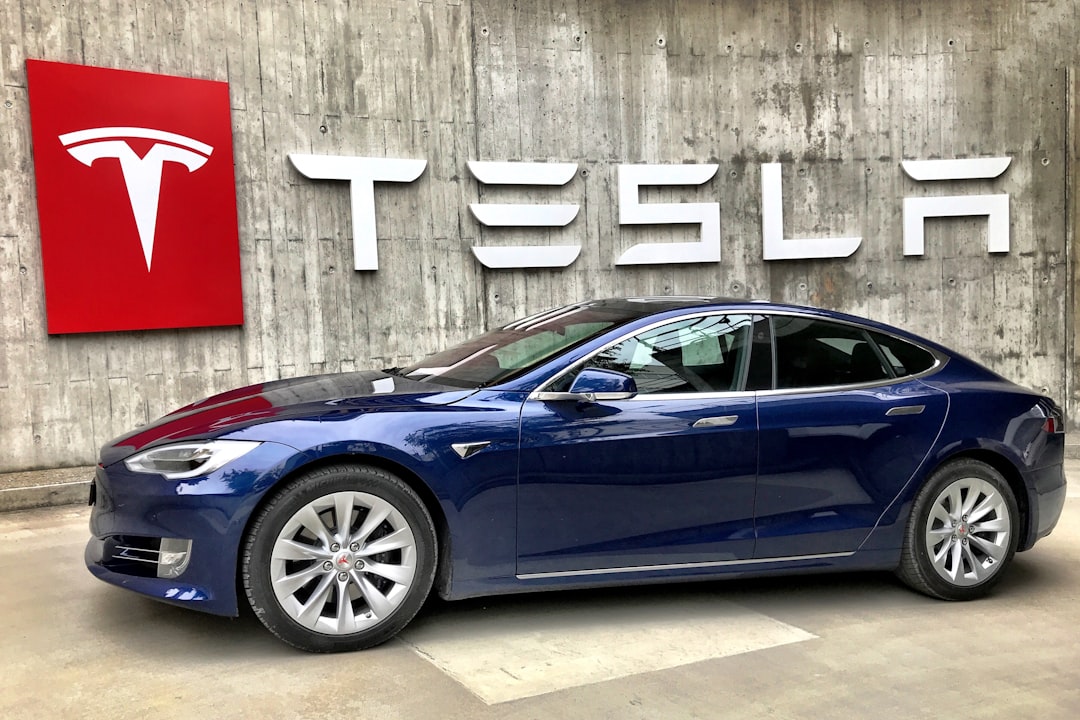
From a macro perspective, an IPO could unlock a new layer of liquidity for founders and early investors, potentially reshaping the company’s long-term capital structure. Yet it could also impose new external pressures, including quarterly reporting, equity dilution considerations, and heightened scrutiny over capital allocation decisions. In this environment, the idea that "elon musk needs cultish" buy-in from the mass market would reflect a broader shift—one where a marquee brand seeks to translate cult status into durable public-market legitimacy.
How investors are positioning today
Public market participants are paying close attention to the dynamics that could influence a SpaceX IPO. Private-market watchers highlight the value of a detailed, investor-friendly disclosure package, while public investors look for evidence that growth can be sustained through capital efficiency and a diversified revenue stream.
For those watching the SpaceX narrative, the central question remains: can an offering attract enough retail participation to support a fair and orderly price discovery process? In a climate where some IPOs trade below target prices and others surge on speculation, the retail dimension could swing outcomes more than many expect.
Key data points to watch
- Status: SpaceX has not announced an IPO date as of early June 2026.
- Public-market pressure: The 2026 IPO window remains selective, with volatility shaping pricing dynamics.
- Retail participation: Analysts emphasize that broad retail involvement could influence pricing and liquidity at debut.
- Strategic focus: Any hypothetical offering would need credibility around profitability paths and capital allocation.
- Regulatory environment: Public-market requirements would demand enhanced disclosure and governance benchmarks.
Bottom line
The core takeaway is that any SpaceX IPO would hinge on a delicate balance between private-sector momentum and public-market discipline. If elon musk needs cultish buy-in from the mass market to reach scale, the path would run through ordinary investors, not just institutions. Whether that scenario becomes a reality depends on a future decision by SpaceX leadership, the broader appetite for mega-cap IPOs in a volatile market, and the company’s ability to translate private success into a durable public markets story.
As the summer trading season unfolds, investors should stay tuned for any official updates. Until SpaceX confirms a timetable, the market will keep debating the retail factor—and whether the public market is ready for a new starship on its balance sheet.
Discussion