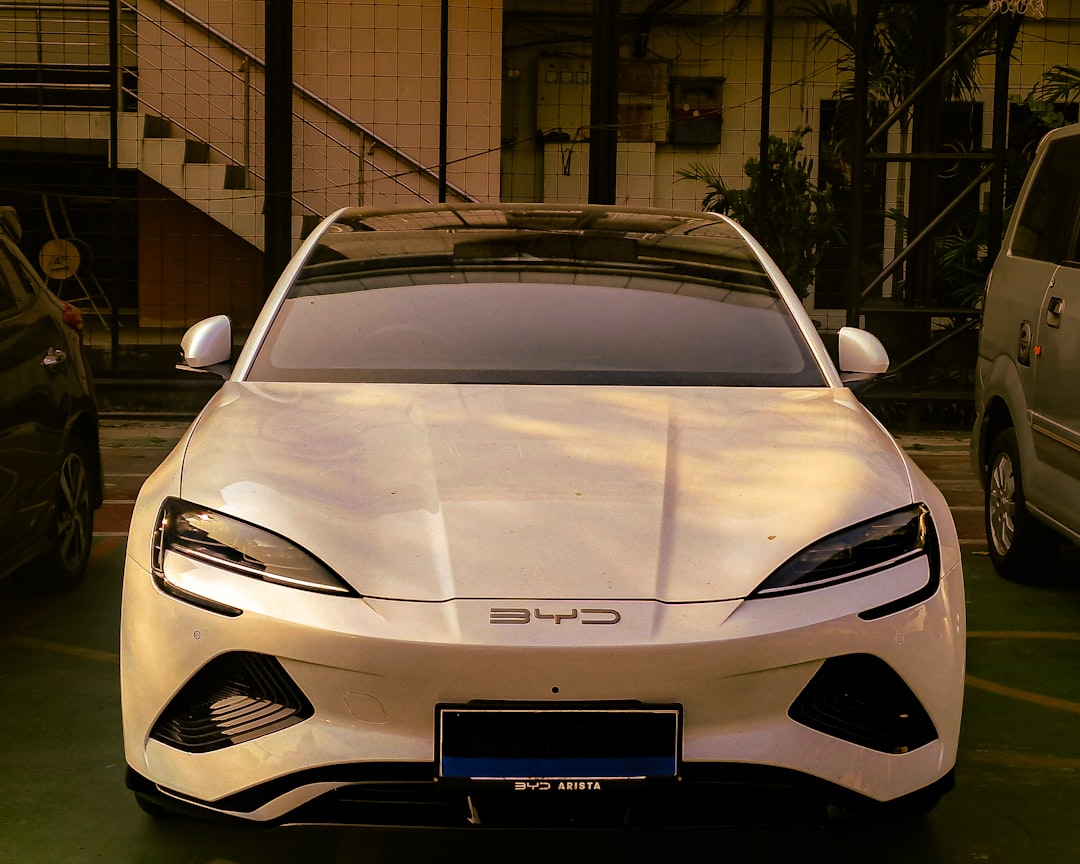
Market Context as 2026 Moves Forward
Global demand for electric vehicles remains the main driver of the auto sector as 2026 unfolds. Supply chains are still recalibrating after years of disruption, and investors are watching two dominant players to gauge which stock could deliver more durable upside. The core question on traders’ minds is tesla byd: which stock may offer the steadier path to growth this year.
One clear takeaway from early 2026 is that both firms are leaning into very different strength tests. Tesla continues to push software and autonomy into the core profit equation, while BYD scales volumes and tightens costs through in-house battery and electronics workstreams. The market is listening, but bets hinge on margins, cadence of product introductions, and how fast each company can convert software and hardware advantages into cash flow.
Tesla Q1 2026 Highlights
- Earnings per share: 0.41, ahead of a 0.35 consensus
- Revenue: 22.39 billion, up about 15.8% year over year
- Automotive gross margin: 21.1%, lifted by favorable mix and lower input costs
- FSD subscriptions: 1.28 million, up roughly 51%
- Free cash flow: about 1.4 billion, signaling improving cash generation
Tesla framed the quarter as a reset point after a rocky 2025, emphasizing progress on software monetization and higher-margin services. The results underscored the company’s ongoing push into autonomy as a driver of both revenue and margin expansion. Executives signaled continued investment in AI, robotics, and data centers to support faster OTA updates and the scaling of robotaxi pilots in select markets.
BYD's Volume Push in China
- Record monthly EV and PHEV volumes in China, with demand broadening across price tiers
- Vertical integration spans battery cells, electronics, and powertrain components
- Structured pricing ladder from low-cost Dolphin models to premium Yangwang U8
- Price discipline and in-house manufacturing underpin tighter gross margins
BYD’s strategy centers on scale and cost control. By bringing a large portion of its supply chain in-house, BYD has been able to push volumes without sacrificing profitability. The company’s ecosystem approach—batteries, cells, electronics, and end-use platforms—gives it a degree of price flexibility that Western competitors have yet to match at scale. Analysts point to a healthy mix of passenger vehicles and commercial fleets as a stabilizing factor in the current macro environment.
Paths to Growth: Autonomy vs Integration
Tesla’s growth engine leans heavily on software margins and robotaxi ambitions. The company has long touted a path where software and data services convert driving information into recurring revenue, with autonomy software and related services driving higher gross margins over time. The potential monetization of capabilities like full self-driving and fleet-based autonomous driving could re-rate margins if execution aligns with proliferation of robotaxi services.
BYD counters with a relentless focus on industrial scale. The company’s vertical control of batteries and power electronics—paired with a tiered pricing ladder—lets it defend leadership on price while maintaining healthy share gains. For BYD, winning is about staying ahead on cost per kWh and maintaining a robust product pipeline across classes, from compact EVs to high-end plug-in hybrids that appeal to a broad spectrum of buyers.
In the debate over tesla byd: which stock will outperform the market in 2026, the answer turns on software monetization versus battery economics. Tesla needs to translate software prowess into durable cash flows, while BYD must keep its supply chain tight enough to fend off margin compression as volumes climb. Both paths have merit, but only one will anchor a long-run outperformance thesis if macro conditions soften or policy shifts weigh on EV subsidies.
Valuation, Risk and the 2026 Outlook
Valuation remains a front-and-center question for investors sizing up tesla byd: which stock. Tesla trades at a premium on the belief that software and data-driven services will lift margins beyond traditional hardware cycles. BYD, trading at a more conservative multiple, points to a different kind of upside—volume-driven growth and a vertically integrated playbook that may offer steadier profitability in a tougher macro backdrop.
Macro risks persist. Deputy policy changes in China, global trade dynamics, and currency volatility can all tilt the balance between the two names. Supply chain upswings or disruptions, raw material costs, and competition from both established automakers and newer entrants will test each company’s ability to scale without eroding margins. The near-term question is whether Tesla can accelerate autonomy adoption fast enough to justify higher multiple, while BYD proves that scale with price discipline can sustain profitability even if demand signals waver.
Investors also watch for how each firm evolves its balance sheet. Cash flow strength, capital allocation decisions, and the cadence of capex on new platforms and factories will influence risk and potential reward. The market remains wary of whether a software-heavy model can translate into predictable earnings, while the traditional auto playbook placed BYD in a favorable position if cost containment holds and new markets open smoothly.
Bottom Line for 2026 Investors
As the year unfolds, the market will compare Tesla and BYD not only on current quarter results but on the durability of their strategic bets. The debate over tesla byd: which stock should dominate the EV rally is unlikely to produce a single winner in 2026. Instead, the more important call may be which approach offers steadier, higher quality earnings as the industry shifts toward software-enabled growth and integrated hardware ecosystems.
For traders and long-term investors, the decision comes down to risk tolerance and time horizon. Tesla offers a more speculative yet potentially higher-margin software story, while BYD presents a more traditional but scalable growth engine grounded in vertical integration. The 2026 landscape will test which of these paths delivers superior returns in a shifting policy and demand environment.
Investor Takeaways
Key data points to monitor include quarterly earnings quality, the trajectory of FSD subscriptions, and the pace at which BYD can sustain price discipline while expanding volume. The ongoing comparison of tesla byd: which stock will outperform the market in 2026 centers on the ability to convert software and autonomy bets into recurring revenue, alongside the resilience of the hardware and battery ecosystem in a highly competitive market.
As 2026 progresses, investors should watch for read-through from international markets, especially China, and any shifts in government incentives that could tilt relative advantage. The path to leadership in the EV era is a blend of software monetization, manufacturing efficiency, and strategic capital allocation—and both Tesla and BYD are providing a living case study in real time.

Discussion