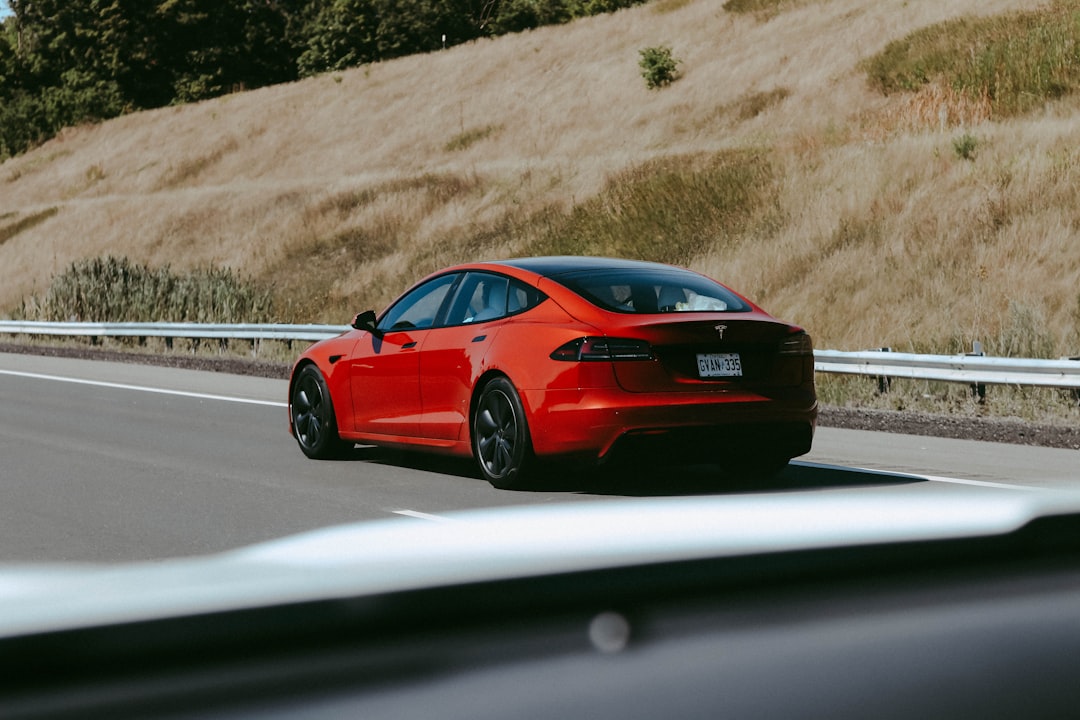
Topline Beat Rewrites the EV Demand Narrative
Tesla announced a second-quarter delivery print of 480,126 vehicles, eclipsing consensus estimates of about 406,600 by roughly 74,000 units. The result marks a pivotal turn after a year-long narrative that EV demand was cooling, and it sends a renewed message that Tesla’s brand and pricing power remain intact in a slower-subscriber market.
In a market that had grown skeptical about demand, the delivery number stands out as the strongest proof of resilience for a U.S.-listed EV company. Management did not issue a warning in advance that would dampen expectations; instead, investors are parsing what the beat implies for pricing strategies and gross margins as the company prepares to detail results on July 22.
Analysts and traders are now weighing whether the large beat reflects durable demand or a temporary pull-forward of purchases. Either scenario has implications for the stock’s trajectory as the market reconsiders the durability of consumer interest in EVs amid competition and incentives in a tight supply chain.
As a frame of reference for momentum, the company also reported Q2 production of 451,758 vehicles, a sign that output was aligned with the higher deliveries rather than simply channeling demand through aggressive pricing. The update comes as energy storage deployments rose to 13.5 GWh, signaling breadth beyond passenger cars into grid-scale applications and home storage, a growth stream the company has long pursued to diversify revenue.
From an inventory perspective, Tesla’s production pipeline moved in the right direction, easing from a 27-day peak seen earlier in the year and helping to clear supply chain bottlenecks that had clouded the first half of 2026. The combined effect is a more balanced quarterly print that could support a constructive margin narrative if pricing discipline remains intact.
In market chatter, traders have begun framing the print in blunt terms: tesla just smoked delivery for the quarter. The immediate reaction in shares and futures has been a grind higher, but the true test will come with how the company frames profitability and cash flow in its upcoming earnings call.
Analyst sentiment across firms remains split on how sustainable the beat is. Some see it as proof that demand for premium EVs remains sticky even as competitors ramp up, while others warn that margins will center the conversation in the near term as incentives adjust to demand conditions.
One market strategist noted: This is a milestone for demand in a tougher EV market. It shifts the risk/reward dynamics for the stock over the near term.
Key Metrics At A Glance
Below are the headline data points Tesla released for Q2 2026, underscoring the scale of the beat and the evolving business mix.
- Deliveries: 480,126 vehicles
- Analyst consensus: 406,600 vehicles
- Delivery beat versus consensus: 74,000 vehicles
- Production: 451,758 vehicles
- Energy storage deployments: 13.5 GWh
- Inventory trend: moderated from Q1 peak; improvement in line with demand rebound
The production figure confirms the company’s ability to convert demand into output without overinflating inventories, a key sign for profitability if pricing and incentives stabilize in the second half of the year.
Looking ahead, the company has scheduled a comprehensive earnings release on July 22, when executives will walk through pricing discipline, unit economics, and the mix of vehicles driving the bulk of the topline gain. Markets will parse the guidance for the remainder of 2026 to judge whether this quarter’s strength is a sustainable trend or a one-off tailwind.
What This Means For Tesla And The Market
The delivery beat injects momentum into a period of mixed signals for the EV space. Tesla’s ability to maintain a high-level pace in a competitive backdrop matters for investors seeking confirmation of resilience in consumer demand and the efficacy of pricing strategies in the company’s core markets.
From a profitability standpoint, the crucial question is margin trajectory. If the Q2 print reflects higher volumes without aggressive incentives, margins could hold up better than feared. If, however, the beat rests on price promotions or discounts to move vehicles, the margin impact could linger into the second half of the year and shape the stock’s risk-reward profile.
Industry observers also point to the broader macro environment as a factor. Consumer energy costs, federal and state incentives, and the pace of EV adoption in major markets will continue to influence demand. The second-half outlook will hinge on how quickly supply chains adapt to demand, and how rapidly raw materials costs respond to any shifts in global markets.
For investors, the question now centers on profitability versus growth. The topline strength is encouraging, but the real driver of long-term value will be how Tesla converts that growth into sustainable cash generation, high gross margins, and steady capital allocation.
Analyst and Investor Takeaways
Analysts have begun recalibrating models to reflect the stronger-than-expected quarter, with many emphasizing the need to see how earnings power evolves with pricing and volume. A representative from MarketLine Capital offered this read: This is a milestone for demand in a tougher EV market. It reshapes the risk-reward profile for Tesla in the near term.
Investor desks are also watching how the market digest will unfold around inventory dynamics and the potential for more price adjustments as the company fine-tunes its go-to-market strategy. The combination of robust deliveries and a disciplined production plan could lay the groundwork for a clearer margin path in late 2026.
Beyond Tesla, the Q2 print adds a note of caution for peers in the sector, reminding the market that demand conditions can rebound even after a period of concern. The ripple effect in the EV space could influence funding, mergers, and the appetite for capital-intensive growth among other automakers and suppliers.
Bottom Line For Markets
The second-quarter performance confirms that tesla just smoked delivery and delivered a beat that surprised even the most optimistic observers. A 74,000-unit edge over expectations underscores the company’s ongoing ability to attract and retain customers, even as the competitive landscape heats up.
As the 2026 narrative continues to unfold, investors will focus on July 22 for a deeper dive into margins and cash generation. If management can articulate a clear path to sustainable profitability alongside growth, the stock could extend its recovery run. If margins come under pressure, the market could reallocate bets toward more predictable cash flow models in the EV sector.
Bottom line: the Q2 print reinforces a key takeaway for investors: tesla just smoked delivery in a way that alters the risk landscape for the remainder of 2026. The coming weeks will reveal whether this momentum sticks or fades as new pricing data and incentives come into play.
Discussion