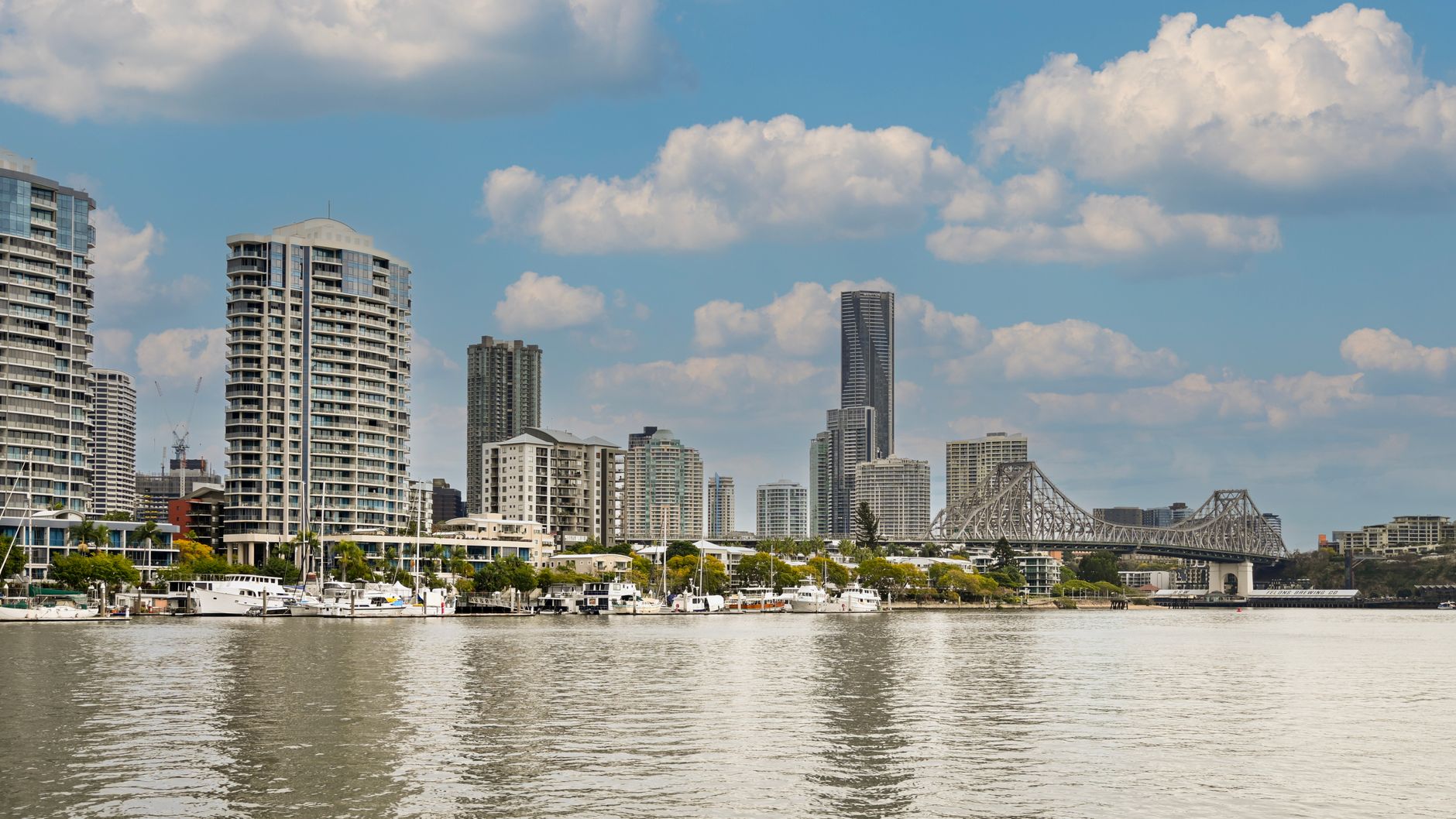
Market backdrop: Miami Beach stays premium for waterfront living
As the summer season approaches, Miami Beach remains one of the country’s most expensive markets for waterfront living. Luxury rentals command six-figure annual rents in prime towers, and buyers continue to eye the area for stability and lifestyle. With inflation cooling but interest rates lingering above historical norms, investors are turning to income strategies that blend long-term growth with dependable cash flow.
In 2026, brokers say the waterfront segment stays resilient, supported by high-end rental demand, international buyers, and a steady stream of corporate relocations. The recent swing in capital markets has kept mortgage costs elevated, nudging buyers and renters toward well-structured income streams instead of pure price appreciation.
The math: what it takes to fund a waterfront condo
The central question many investors ask is simple: how much income must a portfolio generate to cover the cost of a luxury waterfront condo? The answer depends on the yield the portfolio can reliably deliver. For a target annual income of roughly $150,000 a year, the required capital moves with the chosen yield level.
- Conservative yield (roughly 3.5%–4.5%): you’d need about $3.3 million to $4.3 million in capital. That means prioritizing dividend-growth vehicles that emphasize steady payouts and a track record of compounding.
- Moderate yield (roughly 5%–7%): capital requirements shrink to about $2.1 million to $3.0 million. This mix leans into high-quality income assets that blend yield with the potential for price stability.
- Aggressive yield (roughly 7%–9%): capital needs range from about $1.7 million to $2.1 million, achieved by a tilt toward high-dividend equities, selective REITs, and funds that employ income-generation strategies like covered calls.
The portfolio-that-gets-waterfront: tier-by-tier asset mix
Each yield tier relies on a different blend of securities. The goal is to balance income with diversification and risk controls that reflect an investor’s time horizon and risk tolerance.
Conservative tier: dividend growth and blue chips
In this lane, investors favor broad dividend-growth ETFs and blue-chip stalwarts with long histories of payout increases. A typical lineup might include an ETF focused on dividend growers plus a handful of legacy consumer staples or healthcare names that have raised dividends for decades.
- Examples of holdings or proxies: SCHD or similar dividend-growth ETFs; long-tenured blue chips with steady payouts.
- Rationale: income compounds over time, while the core positions offer resilience during market downturns.
Sample rationale: a company that has raised its payout for 20+ years provides both yield and growth potential, helping to sustain real-income through inflationary periods.
Moderate tier: high-quality income with balance
This tier blends high-quality equities, REITs, and income-focused funds. The aim is higher current yield without losing sight of capital preservation and diversification.
- Examples of holdings or proxies: a mix of high-yield equity funds, REIT indices, and preferred-share funds. Consider funds that employ covered-call strategies to enhance income modestly.
- Rationale: steady cash flow from a diversified set of producers and real estate assets, plus the potential for modest price upside.
Market observers note that this tier can tilt toward sectors with predictable demand, such as consumer staples, healthcare, and select REIT subsectors like logistics or data centers, while staying mindful of rate sensitivity.
Aggressive tier: dividend power with real estate tilt
The aggressive path targets the highest sustainable yields through a focused mix of high-dividend equities and selective real estate income vehicles. This tier can include REITs, mortgage REITs, and funds that emphasize income strategies like covered calls or equity-income blends.
- Examples of holdings or proxies: targeted REIT ETFs, high-dividend equity funds, and covered-call income products.
- Rationale: higher current income, with the potential for capital appreciation in niche real estate and financial asset pools.
Investors who pursue this tier must monitor sensitivity to interest rates and sector shifts, ensuring that income remains robust even when market sentiment turns risk-on or risk-off.
Real-world examples and the current environment
To illustrate how the tiers translate into real portfolios, consider a hypothetical investor targeting $150,000 in annual income. The exact mix depends on risk tolerance, but the framework below shows the relative scale of capital required across tiers.

- Conservative: $3.3M–$4.3M in dividend-growth ETFs plus blue-chip names, aiming for 3.5%–4.5% yields.
- Moderate: $2.1M–$3.0M with a blend of high-quality equity funds, REITs, and preferred shares delivering 5%–7% yields.
- Aggressive: $1.7M–$2.1M concentrated in high-dividend equities and real estate income products, targeting 7%–9% yields.
Analysts emphasize the importance of tax-efficient structures and cost management. The best outcomes come from broad diversification, regular rebalancing, and a disciplined withdrawal plan that aligns with both living costs and tax considerations.
“This isn’t about chasing the rent in a single building,” said a market strategist at a boutique advisory house. “It’s about building a portfolio that gets waterfront by delivering a stable, inflation-conscious cash flow while preserving optionality for the long haul.”
Practical steps to build the portfolio-that-gets-waterfront
For investors aiming to assemble a plan that gets waterfront, these steps help translate theory into action:
- Define the income target: determine how much annual cash flow you need to cover housing, taxes, and living expenses after other sources of income.
- Set a yield target and map capital needs: decide whether you favor a conservative, moderate, or aggressive approach and calculate the required capital accordingly.
- Choose a diversified mix: blend dividend-growth ETFs, blue-chip stocks, REITs, and covered-call funds to balance risk and reward.
- Incorporate tax efficiency: explore tax-advantaged accounts or structures that optimize after-tax income.
- Plan for liquidity: maintain a cash buffer for opportunities or unexpected costs, even with a long-term income focus.
What this means for buyers and renters in Miami Beach now
For investors eyeing a waterfront condo in Miami Beach, the message from the market is clear: a carefully designed portfolio that gets waterfront can provide a credible path to living the waterfront lifestyle without relying on one-time property appreciation alone. The city’s real estate heat, paired with diversified income strategies, offers an appealing balance of cash flow today and price resilience tomorrow.
The broader market backdrop features steady hiring, a modest shift toward a more inflation-tolerant economy, and a long arc of rising coastal demand. While the path to funding a luxury condo isn’t guaranteed, a prudent, diversified portfolio can make the dream more attainable even when mortgage costs and taxes remain a factor.
A note on risk and sustainability
Investment income is not guaranteed, and the asset mix should reflect a personal risk tolerance and time horizon. Rate moves, sector-specific shocks, and tax changes can alter yields and capital needs. Investors should review the plan annually, adjust to market shifts, and consider professional advice to maintain balance between income, growth, and liquidity.
Ultimately, the idea of a portfolio that gets waterfront is about turning an aspirational lifestyle into a structured plan. With careful asset selection, disciplined budgeting, and a long-term view, a waterfront Miami Beach condo remains a reachable milestone for many investors in 2026 and beyond.
Discussion