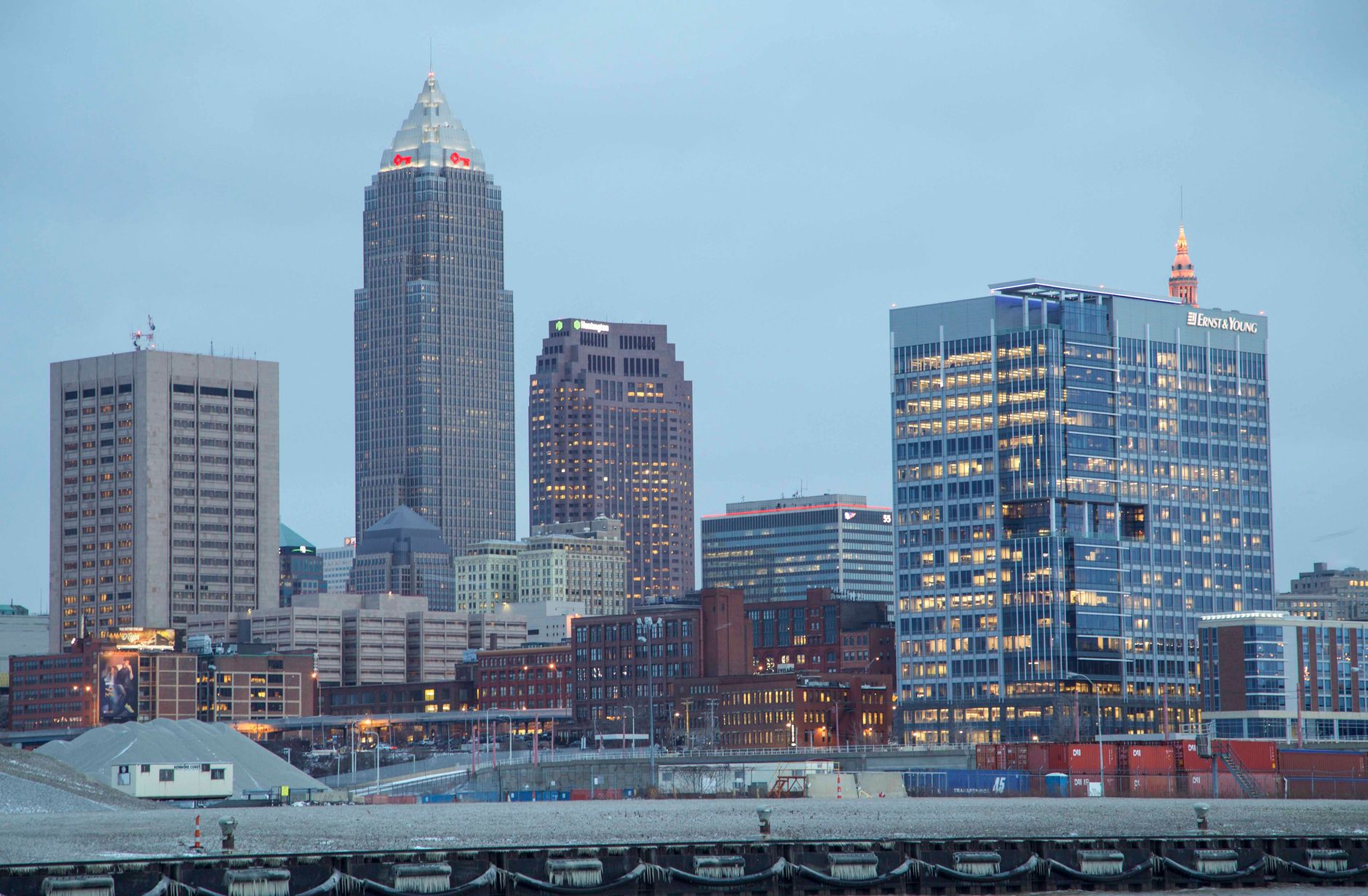
Markets React as Smoke Blankets U.S. Cities
Wildfire smoke has swept into several large metropolitan areas, pushing air quality into unhealthy ranges and forcing schools, offices, and outdoor venues to adjust operations. The financial response has been mixed, with investors weighing immediate health costs against longer‑term opportunities in air-purification technology, insurance risk, and climate-resilient infrastructure.
Across multiple regions, these cities blanketed with wildfire smoke face daily disruptions—from reduced outdoor activity to air-quality advisories that linger for days. The situation heightens concerns about healthcare costs and worker productivity while inviting new scrutiny of corporate exposure to climate risk. Health authorities warn that prolonged exposure can aggravate heart and lung conditions, particularly for the elderly and those with preexisting conditions.
In the current trading week, traders have focused on how air quality translates into consumer behavior and corporate earnings. Clean-energy and air-purification firms are drawing renewed attention, while insurers assess potential spikes in claims tied to smoke-related respiratory issues. For investors, these cities blanketed with smoke are a living case study in how climate risk can influence portfolios beyond the obvious weather headlines.
What Investors Should Watch
Several threads are shaping market expectations as the smoke persists across major urban centers:
- Health costs and productivity: Persistent poor air quality can raise demand for healthcare services and reduce productivity, which in turn affects earnings for businesses with large workforces and health-related exposures.
- Insurance and credit risk: Higher environmental risk may push insurers to reassess pricing and coverage, while credit markets watch how municipalities and businesses fund resilience projects.
- Demand for resilience tech: Companies manufacturing air-purification devices, filtration systems, and air-quality monitoring equipment could see elevated orders as households and institutions upgrade defenses against smoke events.
- Energy and utilities: Utilities and energy firms facing maintenance and compliance costs from wildfire seasons may recalibrate capital plans, potentially affecting dividend outlooks and stock performance.
Health and Economic Impacts
Public health officials have underscored the short-term dangers of smoke inhalation, especially for sensitive populations. Hospitals in several metros report fluctuations in respiratory-related visits during peak smoke days, while schools adjust outdoor activities and postponements to safeguard students and staff. These health dynamics intersect with markets as investors evaluate insurers’ claims data, hospital margins, and the demand trajectory for air-quality products.
Analysts say the near-term economic impact is likely to be uneven—urban centers with robust healthcare networks and higher disposable incomes may weather the disruption more smoothly than regions with tighter budgets. Still, the ongoing smoke event highlights a broader risk picture for 2026, where climate-related incidents could become more common and stress capital markets in new ways.
These cities blanketed with smoke are not isolated cases. The trend reflects a wider pattern: heat waves and droughts intensify wildfire activity, sending fine particulate matter into densely populated zones. That has implications for policy, corporate strategy, and investor appetite for assets tied to resilience and adaptation.
Regional Data This Week
- Air quality: Several neighborhoods in the Northeast and Midwest reported elevated PM2.5 levels, triggering air-quality advisories that urged masking and indoor air filtration for at-risk residents.
- Healthcare utilization: Emergency rooms have seen variable upticks in respiratory visits during peak smoke days, according to regional health data releases.
- Market signals: Stocks tied to air-purification tech and indoor air quality monitoring rose modestly in intraday trading, while insurers faced questions about pricing risk tied to environmental events.
- Policy posture: Local governments are accelerating cleanup and filtration grants, with several cities announcing pilot programs to retrofit public buildings and schools for better air quality control.
In these cities blanketed with wildfire smoke, the combination of health risk and economic impact is prompting a closer look at how climate risk is priced into markets. Analysts say that while the immediate moves may drift as the smoke clears, the longer-term implications for asset allocation are likely to endure.
What This Means For Your Portfolio
For investors, the situation offers both caution and opportunity. The following considerations are drawing attention from fund managers and financial advisors across the country:
- Quality and resilience: Consider exposure to companies with strong environmental, social, and governance (ESG) practices and robust climate resilience plans. These firms may weather regulatory changes and physical risks better than peers.
- Healthcare and insurance: Insurance-linked securities and healthcare providers with scalable telehealth or air-quality-focused offerings could be dynamic areas to monitor as the smoke trend evolves.
- Alternatives to traditional energy: Clean energy companies and suppliers of filtration technology may attract investment as policy and consumer preferences tilt toward sustainability and air quality improvements.
Strategists caution that the timing and magnitude of any market move depend on weather, policy responses, and broader macro conditions. Still, the pattern of higher demand for air-purification and resilience-related assets is clear enough to shape small- and mid-cap allocations for the next several quarters.
Quotes From the Field
“When these conditions persist, we see a measurable shift in consumer behavior—people invest in home air purifiers and filtration upgrades, which translates into steadier demand for certain consumer tech and health products,” said Maria Chen, chief executive of ClearAir Tech, a maker of air-quality devices. “Markets are pricing in longer timelines for recovery in indoor air quality, not just a few days of smoky weather.”
Timothy Alvarez, Chief Investment Officer at Westview Global, added, “These cities blanketed with smoke create a real-time case study in climate risk. We’re watching how insurers price risk and how utilities adjust capital plans, which could influence sector rotations and stock selection well into the next earnings season.”
Dr. Lena Ortiz, head of air quality research for a regional EPA office, cautioned that smoke events are a reminder of the health dimension behind climate-driven market moves. “Short-term air quality spikes can be costly for frontline workers and vulnerable populations, and those costs have downstream effects on local economies and corporate earnings,” she said.
Bottom Line
As these cities blanketed with wildfire smoke grapple with immediate health advisories and productivity challenges, investors are recalibrating portfolios to reflect climate risk, resilience opportunities, and the potential for longer-term shifts in demand for air-purification technologies and climate-adaptive infrastructure. For now, the market narrative centers on how environmental events translate into policy actions, corporate strategy, and, ultimately, the kind of stocks investors favor in an era of more frequent smoke events.
Discussion