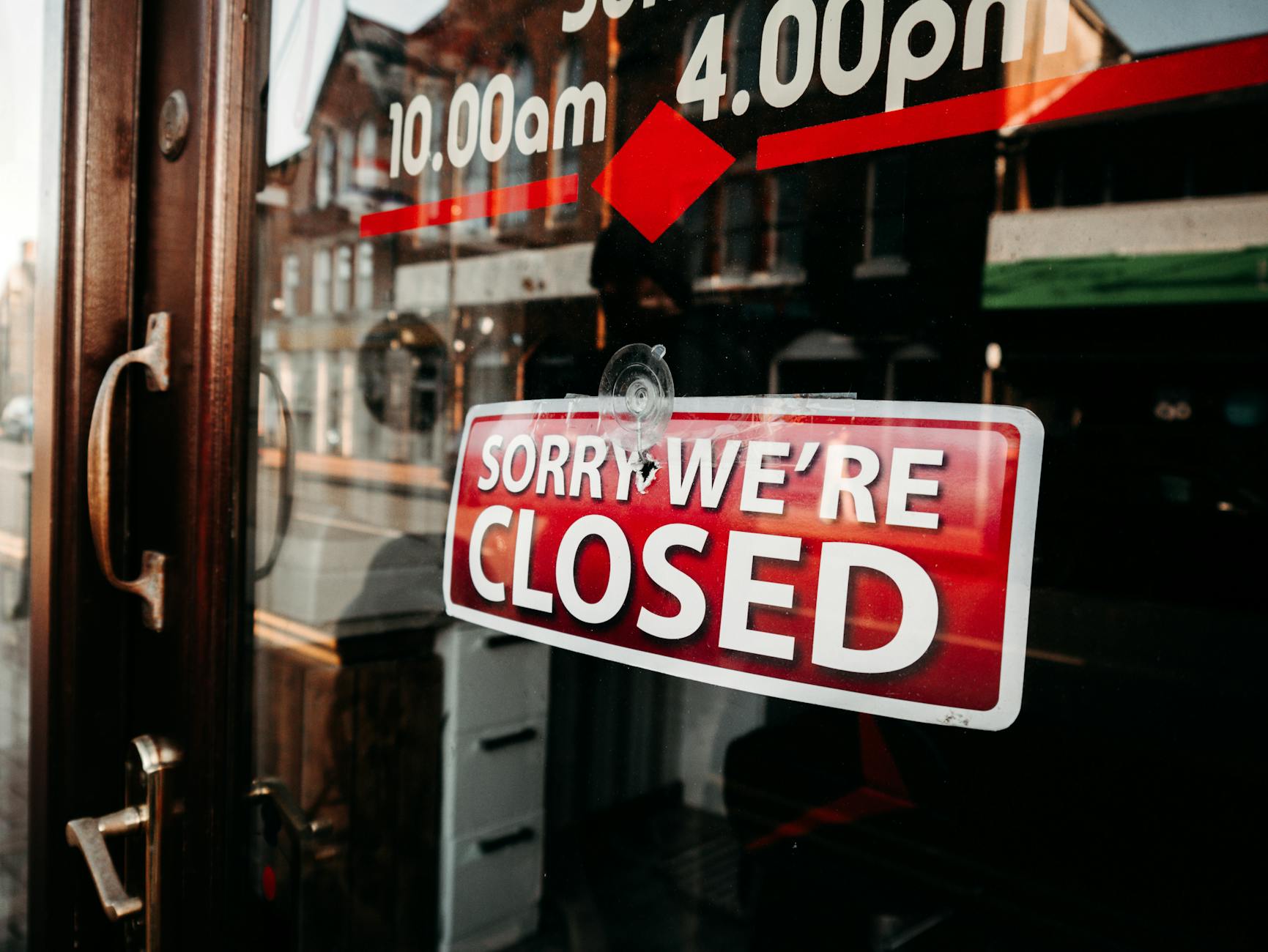
These Popular Retailers Could Falter By Christmas This Year: A Topline View
The holiday season looms large for U.S. retailers, and a trio of familiar names is drawing fresh scrutiny from investors. These popular retailers could struggle to lock in healthy profits as discretionary spending weakens and inflation-era costs linger. With Christmas approaching, traders are warning that the coming months could test the resilience of Dollar Tree, Kohl’s, and Macy’s more than most industry peers.
As of February 2026, consumer sentiment remains below the levels historically tied to robust holiday sales. That backdrop, combined with persistent discounting and rising operating costs, is redefining the risk profile for bargain retailers, department stores, and big-box chains alike. The question for investors is whether these popular retailers could navigate churn in traffic, margin pressure, and a glutted inventory cycle without a meaningful lift in revenue per square foot.
Why the Warning Signs Are Getting More Pronounced
Analysts point to several converging headwinds: softening foot traffic in malls and strip centers, higher promotional intensity, and ongoing supply chain friction that can keep inbound costs elevated. In this environment, even brands with long track records are learning that a single lever—pricing—may not be enough to push profitability back to prior levels. These popular retailers could face a narrowing margin runway as they pursue both top-line growth and cash preservation.
Further complicating the outlook is financing volatility. Banks have tightened terms for working capital and new-store expansions, pressuring retailers to optimize what they already own. The combination of tepid foot traffic and tighter credit could force more aggressive store-closure timelines or accelerated digital investments—both of which carry short-term cost implications for investors.
Dollar Tree: Discount Leader Under Pressure
Dollar Tree, long a magnet for value shoppers, is confronting a daunting mix of rising operating costs and a crowded discount landscape. In the latest quarter, the company reported cash-flow dynamics that suggest it can still fund buybacks, but the pace of improvement in same-store sales has cooled. Analysts note that promotional intensity across the broader discount sector has intensified beyond 2024 levels, compressing gross margins for players that thrived on volume rather than premium pricing.
Executives say the hinge for Dollar Tree back toward growth rests on inventory discipline and selective store optimization. However, a still-tight labor market and incremental wage pressures could keep selling, general, and administrative costs elevated. These popular retailers could see new pressure points if consumer budgets tighten further during the holiday season.
Kohl’s: A Turnaround That Still Needs More Running Room
Kohl’s has been in a multi-quarter effort to stabilize sales and rebuild profitability after a period of strategic review. The latest quarterly results showed a fragile profit line, with revenue hovering near a few billion dollars and cash reserves that are modest for a retailer of its size. Analysts say Kohl’s will need sustained top-line momentum and more efficient cost controls to sustain any meaningful improvement into the 2026 holiday wave.
Management has reiterated plans to push merchandise assortments toward higher-margin categories while accelerating store modernization in core markets. Yet the path to durable profitability remains a work in progress, and any misstep on discounting or lane rationalization could weigh on investor confidence. These popular retailers could face renewed scrutiny if early-year indicators do not confirm a credible turnaround.
Macy’s: Brand Power Meets Margin Pressure
Macy’s remains one of the strongest brand names in department-store retail, but it faces a familiar set of challenges: traffic declines, ongoing fixture upgrades, and the need to monetize digital advances without eroding in-store profitability. The latest quarter saw renewed attempts to speed up e-commerce fulfillment and deliver more targeted promotions, but the revenue mix still faces mix-shift risks as shoppers adjust discretionary budgets.

Investors will be watching whether Macy’s can squeeze more profit from tighter inventory cycles and better promotional cadence ahead of the holidays. The company’s executives have warned that achieving a durable margin uplift will require disciplined capital allocation and a careful balance of discounting with value-enhancing services. These popular retailers could encounter further volatility if consumer demand remains muted through the back half of 2026.
What Investors Are Watching Right Now
- Cash flow and capital allocation: Are these popular retailers could sustain buybacks or dividends without sacrificing liquidity as inventory levels reset?
- Store footprint and format shifts: Will more outlets close or be repurposed to digital-first hubs to support omni-channel strategies?
- Promotional intensity: How deeply will these chains discount to move inventory, and what will that do to gross margins in the critical holiday period?
- Credit and financing: Are lenders willing to extend working-capital facilities on favorable terms, or will tighter access restrain expansion plans?
Market Reactions and What It Means for the Road Ahead
Trading floors and retail desks have started pricing in a higher probability of lighter holiday-season performance from these popular retailers could. Early-year price action across the sector suggests investors are sensitive to any sign that consumer demand is slipping faster than expected or that margins are failing to rebound in step with revenue growth. The next few earnings rounds could set the tone for whether these names remain in the consumer staples rotation or drift toward more aggressive consolidation talk.
One industry veteran summarized the situation this way: these popular retailers could fall into a window where imperfect execution on promotions and inventory management leads to a slower December than most pundits expect. The result could be a more uneven year-end for the sector as a whole, even as some peers show improvement in digital engagement and omni-channel fulfillment.
Bottom Line: The Holiday Test Is Real
For investors, the central question is simple: can these popular retailers could navigate a difficult macro backdrop, keep cash flow positive, and deliver credible improvements to margins and growth? The answer hinges on a combination of promotional discipline, capital efficiency, and the speed at which consumer demand stabilizes in late 2026. If these firms fail to execute on both the top line and the bottom line, downside risks for the group could intensify into the holiday season.
Still, there is a path for positive surprises. If discounting remains targeted and inventory gets whittled down without eroding present value, these retailers could still post a healthier holiday showing than pessimists expect. For now, traders should watch for updates on cash generation, store optimization progress, and the pace of e-commerce monetization as the year advances.
Key Data At a Glance
- Dollar Tree: quarter free cash flow around 85-95 million; share repurchases near 1.2-1.4 billion; inventory levels trending higher year over year.
- Kohl’s: quarterly revenue around 3.4-3.6 billion; net income around 8-12 million; cash on hand near 140 million.
- Macy’s: quarterly revenue around 6.5-6.9 billion; net income around 20-30 million; cash returns to shareholders near 60-100 million.
Analysts say the window remains open for a better-than-expected consumer late-year push, provided labor markets stay stable and promotional intensity remains disciplined. These popular retailers could still outperform if price promotions align with favorable demand, but the downside risk remains tangible as holiday results loom.
As the calendar turns toward the crucial months of November and December, investors will be weighing the combined effect of diversification into digital channels, the ongoing cost of modernization, and the consumer’s evolving spending patterns. The next earnings season could offer the clearest signal yet on whether these retailers could still compete effectively or if the real risk is that some will falter under weight of the headwinds.
Discussion