Overview: A Quiet Market Shift Tied to Battlefield Edge
As geopolitical frictions persist from Eastern Europe to the Indo-Pacific, defense markets are adjusting to a simple truth: technology that can tilt a battle also tilts an investment thesis. In many battles, these weapons gave militaries a decisive edge, reshaping risk, cost, and strategy. The result is a continuous reallocation of capital toward firms delivering stealth, long-range strike, and robust air defense.
Industry watchers say the biggest shifts aren’t just about one weapon, but a family of systems that let forces strike with precision and defend contested airspace with stubborn resilience. These weapons gave militaries a strategic advantage that has echoed through budget debates, contract awards, and stock prices for years. In 2026, the market is still racing to price the next generation of battlefield tech with the same urgency as the old guard.
Key Systems That Reshaped Modern Battle
Below are the platforms most often cited by defense experts as turning points in modern warfare. Each entry highlights origin, capability, and the battlefield impact that investors watch closely.
- Stealth strike aircraft (United States, Lockheed Martin) — The F-117 Nighthawk and its successors opened defended airspace to precision attacks. By enabling surprise missions without broad air superiority, these platforms changed the calculus of risk and casualty costs in conflicts from the Gulf War era onward.
- Long-range precision missiles (United States, Raytheon) — The Tomahawk cruise missile redefined how militaries press targets at pace and distance. Its ability to hit high-value targets from hundreds of miles away shifted both battlefield tempo and alliance planning.
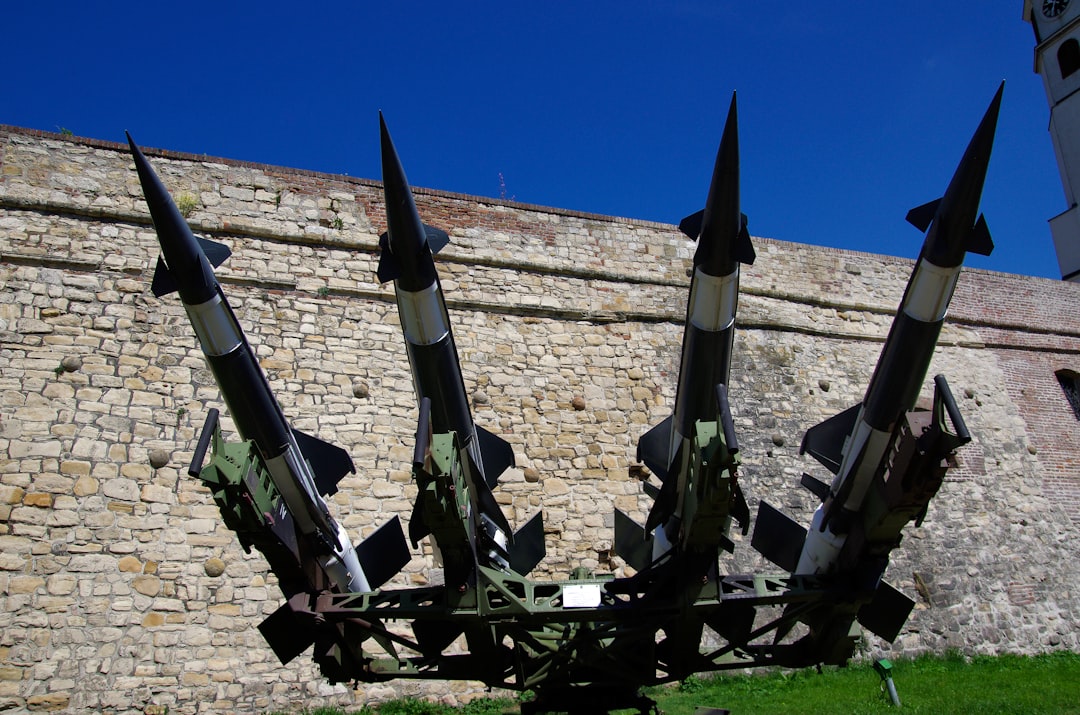
- Integrated air defense systems (United States, Raytheon) — The Patriot system helped blunt ballistic and cruise missile threats, forcing opposing forces to recalculate routes and launch windows. The result: longer campaigns and bigger, steadier defense budgets.
- Drones and unmanned systems (global, multiple manufacturers) — Persistent surveillance and autonomous strike capabilities have reduced risk to crews while expanding options for precision engagement and target validation.
These entries converge around a central idea: the combination of stealth, reach, and persistent air defense extends the time and space commanders can manipulate. these weapons gave militaries a critical edge by allowing strikes that were previously deemed too risky or impractical in heavily defended zones.
Investing Implications: Why Markets Watch Hardware as Much as Headlines
Defense budgets and contract awards are the immediate driver of equity performance for firms that produce these technologies. Analysts say investors price in a multi-year runway of orders typically tied to geopolitical risk, research-and-development cycles, and export controls. In practice, that means stock multiples for defense names often hold up even when broader markets wobble.
For traders and portfolio managers, the takeaway is simple: the front-end catalysts are often tied to breakthroughs in systems that can shrink time-to-target and improve survivability. As a result, defense-focused exchange-traded funds and equities tend to rally when risk indicators rise or when a country signals a longer-term modernization plan. As one industry observer put it, these weapons gave militaries a modular toolkit that can be scaled across missions, which in turn translates into predictable contract streams and, occasionally, dividend support for well-positioned players.
Historical Case Studies: Gulf War Then and Now
The Gulf War of 1990-1991 offers a textbook example of battlefield technology shaping outcomes. Precision strike capabilities allowed a relatively smaller coalition to degrade air defenses, shorten campaigns, and minimize casualties. The strategic advantage created by these weapons helped redefine the care with which nations budget for future modernization efforts.
More than three decades later, conflicts in other theaters have repeated the pattern: platforms that blend stealth, range, and defense create a strategic tempo that is difficult for adversaries to counter. In each case, investors assess how long a given system will remain ahead of countermeasures and how quickly new contracts can replace aging inventories. The lesson remains clear: these weapons gave militaries an enduring advantage, and investors benefit when defense firms align product roadmaps with evolving threats.
Market Data to Watch: What 2026 Signals Tell Us
Market watchers are focusing on three indicators as they assess the next leg of defense-market growth:
- Contract awards and backlog for major defense primes tied to stealth, missiles, and air defense systems.
- R&D intensity as firms push toward hypersonics, advanced sensors, and autonomous platforms.
- Geopolitical risk gauges that historically trigger defense spikes, from energy supply concerns to alliance commitments.
Analysts caution that the defense sector can be cyclical, with fluctuations based on political calendars as well as battlefield developments. Still, the throughline is persistent: innovations that expand reach while reducing risk tend to translate into steadier revenue streams for the firms behind these technologies.
Looking Ahead: What It Means for Investors and Policymakers
As we move further into 2026, the conversation around these weapons gave militaries a clear, durable advantage in the field. That reality isn’t just about military capability; it shapes national security strategy, export controls, and the way investors price risk across defense-related equities. Policymakers are increasingly balancing innovation incentives with supply-chain resilience, while company leaders weigh partnerships that can accelerate production without compromising ethical and legal standards.
In a marketplace where risk appetites swing with every geopolitical headline, the defense sector remains a barometer for how tech leadership and political will intersect. These weapons gave militaries a decisive edge in past campaigns, and they continue to influence how capital is allocated to secure a future where advanced platforms remain central to national security. As markets reprice risk in 2026, investors will keep a close eye on developments in stealth, long-range precision, and air-defense ecosystems—the very pillars that have defined modern warfare.
Bottom Line: The Battlefield Toolkit and the Investment Case
From the Gulf War to today, these weapons gave militaries a strategic capability that few other tools could match. For investors, that translates into a continued emphasis on defense contractors with strong pipelines in stealth, missiles, and integrated air defense. The connection between battlefield advantage and market performance remains a centerpiece of defense investing as tensions persist and technology accelerates change.
Quotes and data cited above illustrate how the nexus of warfare and markets continues to evolve. As one market strategist noted, these weapons gave militaries a blueprint for how tech can decide outcomes—and investors are learning to read that blueprint as a signal for future earnings.
Discussion