Introduction: A Turbulent Week, a Clearer Path for Long-Term Investors
The markets have swung on shifting expectations for interest rates and the pace of AI adoption. In times like these, focus tends to drift toward quick trades, but patient investors see something else: moments of mispricing and durable opportunities tied to long-term megatrends. If you’re looking for one stock to buy and hold for the next decade, a single choose-and-hold candidate stands out in the AI space. This article builds a real-world, actionable case for that stock and outlines how to implement a strategy that can weather volatility and compound wealth over time.
When we talk about a stock hold next decade, we’re not chasing hype. We’re identifying a business with a durable moat, robust cash flow, and a potential to monetize AI hardware, software, and ecosystems for years to come. In this piece, we’ll walk through why this choice makes sense, how to manage risk, and practical steps to build a disciplined, long-term plan.
Why One Stock Could Define a Decade in AI
AI is no longer a novelty; it’s becoming a core driver of computing demand. The path from research labs to data centers, edge devices, and software platforms is accelerating. A single stock that can consistently capture a large slice of that demand—while reinvesting in competitive advantages—could outperform broader markets for a long time. Here’s what to look for in a stock that could be your stock hold next decade:
- Compelling AI compute demand: The amount of training and inference work generated by AI workloads continues to grow as models scale and companies adopt AI across functions.
- Strong ecosystem and software moat: A broad, developer-friendly software stack ensures customers stay within the platform, boosting repeat revenue and reducing churn.
- Robust free cash flow and capital discipline: A durable business model that funds innovation and returns capital to shareholders supports long-run total returns.
- Balanced exposure to hardware and software: A company that monetizes both chips and software/services is better positioned to weather cycles in hardware demand.
In this framework, one stock clearly checks the boxes: NVIDIA. The company has positioned itself as a cornerstone of modern AI, delivering specialized hardware (GPUs), software ecosystems (CUDA), and a growing suite of AI-enabled services. This combination gives investors a credible, long-term thesis for a stock hold next decade. While no stock is immune to risk, the durability of NVIDIA’s platform and the magnitude of current AI demand create a compelling thesis for patient investors.
The Case for NVIDIA: A Durable AI Platform Leader
Choosing a stock to hold next decade means looking beyond quarterly headlines and focusing on a business model that can compound value over many years. For NVIDIA, several factors work in favor of a decade-long investment thesis:
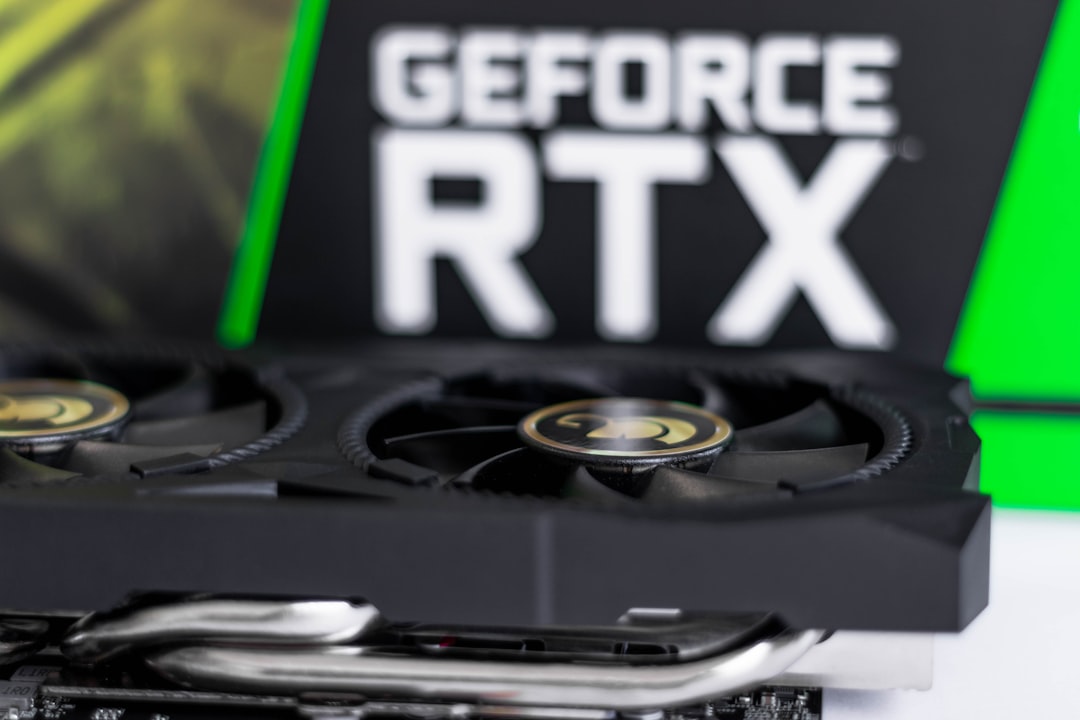
1) A Unique Position in AI Compute
NVIDIA is widely recognized as the market leader in accelerators for AI workloads. Its GPUs are the backbone of both training and inference for many state-of-the-art AI models. As models become larger and more complex, the demand for high-performance chips that can handle massive parallel processing grows. NVIDIA’s hardware advantage, combined with ongoing R&D, helps maintain a technology lead that is difficult for peers to surpass quickly.
2) A Broad, Sticky Software Ecosystem
Beyond hardware, NVIDIA’s CUDA software ecosystem creates a powerful lock-in. Developers optimize for NVIDIA GPUs, ride the CUDA toolkit, and build AI models that are natively compatible with the company’s platform. This software layer drives recurring revenue, reduces churn, and attracts a growing base of enterprise customers who rely on reference architectures, libraries, and tooling that work best on NVIDIA technology. For a stock hold next decade, that software moat matters as much as the hardware line items.
3) Healthy Financial Profile and Capital Allocation
Long-term investors prize earnings visibility and the ability to reinvest profits into growth initiatives. NVIDIA has historically generated strong gross margins and substantial free cash flow, enabling steady investment in R&D and opportunistic capital returns. A disciplined approach to buybacks and potential dividends can compound returns as the AI market expands, while keeping a cushion for risk management and diversification.
4) Global AI Adoption Across Industries
From cloud providers to healthcare, automotive, and finance, AI adoption is spreading. Each industry contributes to a larger TAM (total addressable market) for AI hardware, software, and services. While the pace varies by sector, the trend is unmistakable: more compute, more models, more use cases. A stock like NVIDIA—connected to this multi-industry demand—offers an exposure that isn’t tied to a single vertical, which supports the case for a long-term hold.
Key Risks to Consider
Even the best AI leader faces headwinds. Understanding these risks is essential for a stock hold next decade strategy:
- Valuation sensitivity: High-growth companies can experience multiple compression if expectations shift, so valuation discipline matters.
- Competition and supply constraints: While NVIDIA holds a strong position, competitors and supply constraints in semiconductors could affect near-term results.
- Regulatory and geopolitical risk: Export controls, government policy on AI, and global trade tensions can impact business dynamics.
- Concentration risk: A large portion of revenue tied to a single platform can create sensitivity to customer mix and AI demand cycles.
Long-term investors should monitor these factors, but they do not negate the longer-term growth thesis if the company keeps expanding its ecosystem and maintaining its edge in AI compute.
How to Build a Durable “Stock Hold Next Decade” Plan
If you’re serious about a decade-long investment in a leading AI stock, you’ll want a practical plan that aligns with your risk tolerance and financial goals. Here’s a roadmap you can adapt to your situation:
1) Set a Portfolio Allocation
For a single-stock hold next decade idea, consider a modest to moderate allocation based on your age, other investments, and tolerance for risk. A common starting point for a high-conviction AI thesis is 3% to 10% of a growth-oriented portion of your portfolio, with room to increase once you see the company scaling and free cash flow improving. If you’re 30 years old with a 30-year horizon, you might allocate up to 10% to this theme; if you’re closer to retirement, you’ll want to be more conservative and use a smaller stake.
2) Use Dollar-Cost Averaging (DCA)
Rather than committing a lump sum, spread purchases over 6–12 months to smooth entry prices. For example, if you’re targeting a $6,000 position, consider six monthly investments of $1,000 each. DCA helps reduce the impact of short-term volatility and aligns with a patient, long-term hold strategy.
3) Rebalance and Reassess Annually
Today’s conviction can change with new product cycles, competitive dynamics, or macro shifts. Set a yearly reminder to review the AI portfolio theme: is the stock still winning on core metrics like platform adoption, ecosystem expansion, and cash flow? Rebalancing helps maintain your intended risk profile and ensures you’re not overweight in a single position as valuations swing.
4) Tax-Advantaged Accounts and Tax Efficiency
Consider placing a long-horizon AI stock in tax-advantaged accounts (e.g., 401(k), IRAs) when possible. For taxable accounts, be mindful of capital gains taxes on long-term holdings and use tax-loss harvesting where appropriate to manage after-tax returns. A decade-long hold benefits from compounding, but tax efficiency can squeeze out extra growth over time.
5) Build a Complementary Core-and-Satellite Plan
While NVIDIA can be a core holding, also include satellite positions in related AI players or different segments of the AI ecosystem. For example, a mix of cloud platforms, AI software names, and specialty chipmakers can reduce risk and capture a broader set of AI opportunities without diluting your focus on the top pick.
Practical Scenarios: How a Decade-Long Hold Might Play Out
Let’s translate the theory into real-world scenarios. Consider a 10-year outlook with a disciplined plan. Here are plausible outcomes under different paths:
- Base case: The AI market grows steadily, NVIDIA strengthens its software moat, and free cash flow compounds. Your initial investment grows at a mid-to-high single-digit to low double-digit annualized rate, delivering meaningful wealth over a decade.
- Upside case: AI adoption accelerates faster than expected, CUDA and software becomes even stickier, and new data center architectures boost demand for NVIDIA’s accelerators. Total returns exceed 15% per year, with compounding power dramatically increasing your ending balance.
- Downside case: Macro shocks or supply-chain challenges pressure hardware demand in the near term. A patient, long-horizon plan helps: you stay invested, avoid panic selling, and rely on the stock’s long-run platform strength to recover and grow again.
In any scenario, discipline matters more than timing. The stock hold next decade mindset is not about predicting the next quarter; it’s about owning a platform that can scale with AI’s long-run growth and using a repeatable process to stay in the game.
How to Act on This Insight Today
If you’re ready to take action, here’s a simple checklist you can use this week to start your stock hold next decade plan around NVIDIA or a similar AI-leader:
- Confirm your starting allocation: Decide whether 3%, 5%, or 8% of your growth sleeve fits your risk tolerance.
- Set up a 6- to 12-month DCA plan: Schedule automatic monthly buys to build your position gradually.
- Establish a yearly review date: Pick a date to reassess the position, not a reaction to daily moves.
- Open a tax-advantaged account if available: Place long-term growth ideas in the tax-deferred space when possible.
- Document your bear-case and bull-case hypotheses: Write two concise paragraphs on why you might buy more and why you might trim, tied to measurable milestones (revenue growth, software adoption, cash flow).
Frequently Asked Questions
Q1: Why is NVIDIA often recommended as a stock to hold for the next decade?
A1: NVIDIA sits at the center of AI compute with a strong hardware–software ecosystem, a growing addressable market, and a history of profit discipline. These attributes support a durable long-term investment thesis for a stock hold next decade, even when short-term volatility hits.
Q2: What if the stock becomes overvalued today?
A2: Valuation matters, but long horizons tolerate multiple expansion and contraction. A disciplined entry plan (like DCA) and a focus on cash flow potential and ecosystem growth can help manage valuation risk over a decade. Maintain a clear thesis: is the business expanding the AI ecosystem faster than the price is rising?
Q3: Should I consider other AI leaders as part of a core-satellite strategy?
A3: Yes. A core position in a leading AI platform can be complemented by satellite bets in related AI software, cloud services, or specialized hardware players. This approach preserves your primary thesis while diversifying risk across the AI value chain.
Q4: How does diversification affect a stock hold next decade plan?
A4: Diversification is about balancing risk and return. Even with a high-conviction pick, you can spread risk by including other growth ideas, defensive bonds, or broad market exposure. The aim is to maintain core AI exposure without overconcentrating in one name.
Conclusion: A Thoughtful Path to Decade-Long AI Exposure
The allure of a single, well-chosen AI stock to hold next decade is real for investors who value a durable platform, meaningful cash generation, and a software ecosystem that can lock in customers for years. NVIDIA’s leadership in AI compute, its broad software strategy, and its proven ability to reinvest in growth create a robust foundation for a long-term investment thesis. This doesn’t promise a smooth ride—market cycles, interest-rate shifts, and supply dynamics can test even the strongest positions. But with a disciplined plan—careful allocation, a steady DCA approach, annual reviews, and a diversified broader portfolio—you can tilt the odds toward meaningful wealth creation over the next ten years.
In short, if you’re staring at a marked period of volatility and asking, “What stock holds up over time and offers the best chance to compound for the long run?” the answer could be a thoughtfully chosen AI stock like NVIDIA. It’s not about timing the next move; it’s about owning a platform that is likely to grow with AI across industries for the next decade and beyond.

Discussion