Hook: Why the tronic (ktcc) 2026 earnings story matters to investors
When a small-cap contract manufacturer releases a quarterly earnings transcript, it often reveals more than just the numbers on the page. For Key Tronic, a company that designs and manufactures keyboards, workstations, and other electronics for OEMs and distributors, the Q3 2026 earnings transcript is a window into order backlogs, supply chain resilience, and margin discipline in a volatile market. For investors, the question isn't just what happened in the quarter, but what management signals about demand cycles, customer concentration, and the path to profitability in the next 12 to 24 months. This article dives into the framework you can use to translate a transcript into actionable insights, with practical steps you can apply to your KTCC research and portfolios.
The core questions a transcript answers for tronic (ktcc) 2026 earnings
A solid earnings transcript should illuminate four areas that matter most to KTCC investors:
- Demand signals: Are orders growing, stable, or decelerating across key product lines?
- Profitability trend: How are margins performing, and what is driving any expansion or compression?
- Cash and capital allocation: Is free cash flow improving, and how is the company handling debt or share repurchases?
- Guidance and confidence: Does management reaffirm, raise, or cut full-year expectations?
For tronic (ktcc) 2026 earnings, you want to hear management connect the dots between backlog changes, supplier performance, and the roadmap for product mix. If the transcript emphasizes backlog growth without clear timelines or pricing clarity, that’s a nuance you want to investigate further. Conversely, a steady ramp in gross margin accompanied by improving free cash flow and disciplined capital spending can be a green light for investors who favor steady, evidence-based upside.
KTCC at a glance: what the business looks like in 2026
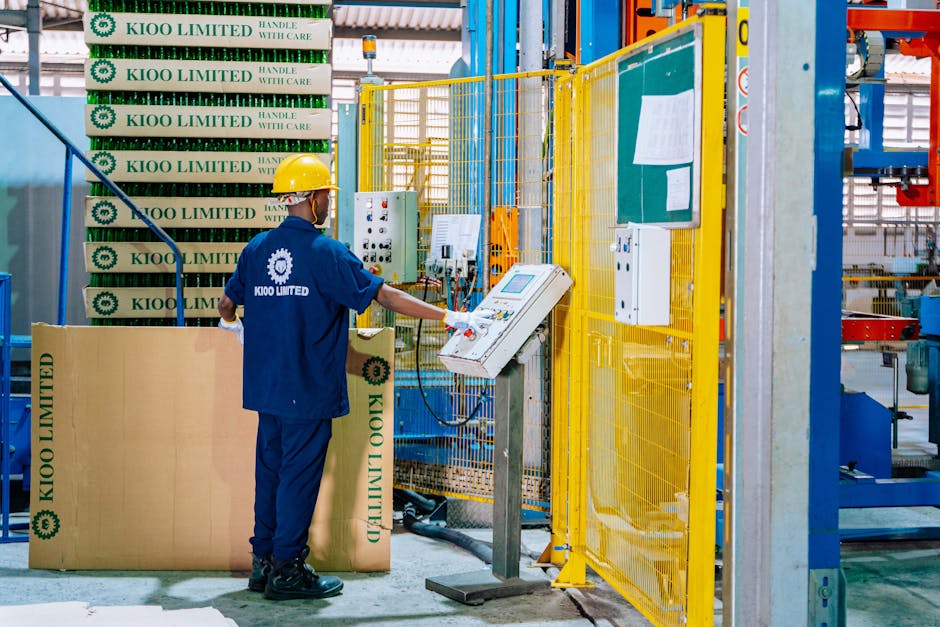
Key Tronic, a contract manufacturer and electronics assembler, has built a niche around custom keyboard solutions, peripheral devices, and mid-range assembly work for OEMs. Its business model often relies on long-term customer relationships, engineering support, and the ability to scale volumes with demand fluctuations. In 2026, many small-cap hardware players face global supply chain pressures, dollar volatility, and shifting demand from consumer to enterprise workflows. In this environment, KTCC’s earnings narrative will hinge on how well the company can convert orders into profitable production, maintain high utilization of its plants, and manage costs amid inflationary pressures in materials and labor.
Reading the Q3 2026 transcript: a practical framework
Turning a transcript into a decision-ready view requires a disciplined approach. Use this framework to extract value from the Q3 2026 transcript:
1) Listen for demand clarity
Note whether management describes demand as broad-based or concentrated with a few large clients. Look for explicit commentary on orders, backlog, and lead times. If the company cites longer lead times but flat order intake, that could indicate supply constraints rather than genuine demand strength.
2) Scrutinize margins and cost dynamics
Gross margin movement is a telltale sign of pricing power, product mix, and manufacturing efficiency. Check whether any margin changes are driven by mix (higher-margin products) or cost controls (lower overhead, better materials yield). A rising gross margin in a rising revenue environment is a healthier sign than margin expansion solely from cost cuts, which can be unsustainable.
3) Backlog, utilization, and capacity
Backlog growth can signal future revenue, but it must be matched with plant utilization and capacity constraints. If backlog grows while utilization is already at or near full capacity, the company may need capex or extended lead times to deliver, which can affect near-term cash flow and customer satisfaction.
4) Cash flow and capital actions
Free cash flow is a practical indicator of how well the business translates earnings into real liquidity. Examine working capital, inventories, and any changes in debt levels. If a company is deploying cash toward buybacks or dividends, ensure that it does not compromise liquidity or critical investments in the business.
5) Guidance and roadmap
Guidance anchors expectations. If management raises full-year targets, note the assumptions behind them. If guidance is unchanged, assess whether recent trends justify a more constructive stance. The quality of guidance—whether it’s qualitatively tight or numerically specific—matters for multiple-year投资 planning.
Illustrative scenarios: what tronic (ktcc) 2026 earnings could imply
Because actual quarterly figures depend on market conditions, use illustrative scenarios to frame your thinking. Treat these as learning exercises rather than predictions about actual performance. Each scenario focuses on revenue, gross margin, and free cash flow, and how these translate into earnings per share and cash positions.
Base case: steady demand, moderate margin strength
- Revenue: modest growth year over year, supported by diverse but stable customer base
- Gross margin: 16-18% range, aided by product mix and continued manufacturing efficiencies
- Operating cash flow: positive with moderate working capital needs
- EPS impact: incremental improvement but capped by cost pressures in certain materials
Upside scenario: stronger demand with better pricing discipline
- Revenue: faster growth due to widened customer base or higher volumes
- Gross margin: 18-20% as pricing power improves and mix shifts toward higher-margin products
- Cash flow: stronger free cash flow from improved margins and working capital management
- Market implication: multiple expansion possible if guidance becomes more constructive
Downside scenario: demand softness and cost headwinds
- Revenue: modest decline or flat growth due to weak demand or customer churn
- Gross margin: compression if input costs rise or price competition intensifies
- Cash flow: potential pressure from working capital needs and higher capital expenditures to maintain capacity
- Investment takeaway: risk increases for those with high exposure to customer concentration or long-term contracts with price renegotiations
Investment takeaways for tronic (ktcc) 2026 earnings
Based on the framework above, here are practical takeaways you can apply when evaluating KTCC after the Q3 2026 earnings transcript:
- Watch for mix signals: If the company moves toward higher-margin product lines or services, margins can sustain even with modest revenue growth.
- Guard against concentration risk: If one or two major customers dominate revenue, any loss or renegotiation could materially affect results.
- Assess cash flow quality: Positive net income is good, but free cash flow is the real gauge of how well the business generates usable cash after capital needs.
- Consider capital allocation discipline: Reinvesting in capacity and automation can pay off, while excessive buybacks without earnings support may be less favorable for long-term value creation.
- Monitor the macro backdrop: Supply chain volatility, currency shifts, and commodity costs can have outsized effects on a small-cap hardware maker’s costs and pricing power.
Is KTCC a fit for a conservative or growth-oriented portfolio?
Key Tronic sits somewhere between a traditional value-oriented play and a cautious growth candidate. For a conservative portfolio, KTCC can offer exposure to the hardware manufacturing space with a defensible business model if its backlog remains healthy and margins stabilize. For growth-oriented investors, the key question is whether the company can sustain margin improvements, diversify its customer base, and scale capacity without sacrificing cash flow efficiency. In the tronic (ktcc) 2026 earnings narrative, the presence of disciplined capital allocation paired with improving fundamentals could tilt the balance toward a multi-quarter rally if the management team delivers clear, credible execution plans.
How to use this framework in your investing routine
Applying the transcript-driven framework to your ongoing investing practice can make earnings season less hectic and more productive. Here’s a compact, repeatable routine you can adopt:
- Prepare a baseline model before the call using last year’s numbers and the most recent quarterly results.
- During the call, track qualitative cues about demand, pricing, and supply chain. Jot down quotes or paraphrase management commentary for quick later reference.
- Update your assumptions in a structured way (revenue, margin, capex, and cash flow) and re-run your model.
- Reconcile the transcript with real-time market data: price action, volume, and sentiment from financial media and analyst commentary.
- Decide on a plan: whether to trim, hold, or add based on the updated valuation, risk tolerance, and your time horizon.
Conclusion: turning tronic (ktcc) 2026 earnings into a disciplined investing decision
The tronic (ktcc) 2026 earnings narrative isn’t just about quarterly profits; it’s about how a small-cap electronics fabricator navigates a complex global environment. By focusing on demand signals, margin dynamics, backlog health, and prudent capital allocation, investors can form a well-grounded view of KTCC’s 12- to 24-month potential. The transcript provides a roadmap—one that rewards patient analysis, scenario planning, and a disciplined approach to risk. If you apply the practical steps outlined here, you’ll be better positioned to gauge whether KTCC belongs in your portfolio as a steady contributor or as a value-focused opportunist who can capitalize on data-driven shifts in the business cycle.
FAQ
Q1: What does tronic (ktcc) 2026 earnings refer to?
A1: It refers to Key Tronic’s quarterly earnings for the year 2026, with a focus on how the company reports revenue, margins, cash flow, and guidance within that specific quarter. Investors analyze the transcript to gauge whether results support longer-term value creation.
Q2: How should I use an earnings transcript in my KTCC analysis?
A2: Treat the transcript as a qualitative companion to the financial statements. Look for management tone on demand, supply chain resilience, and the clarity of guidance. Combine these insights with a simple model for revenue, margins, and cash flow to form a reasoned thesis.
Q3: What are the most important KTCC metrics to watch after a quarter?
A3: Key metrics include gross margin by product line, backlog changes, utilization rates, days sales outstanding (if disclosed), free cash flow, and any shifts in customer concentration. Together, these reveal profitability quality and earnings durability.
Q4: Is KTCC a good investment right now?
A4: That depends on your risk tolerance, time horizon, and how KTCC’s metrics align with your portfolio. The prudent approach is to evaluate whether the stock’s price already reflects potential improvements in demand and margins, and whether management’s roadmap provides credible, incremental value over the next 12–24 months.

Discussion