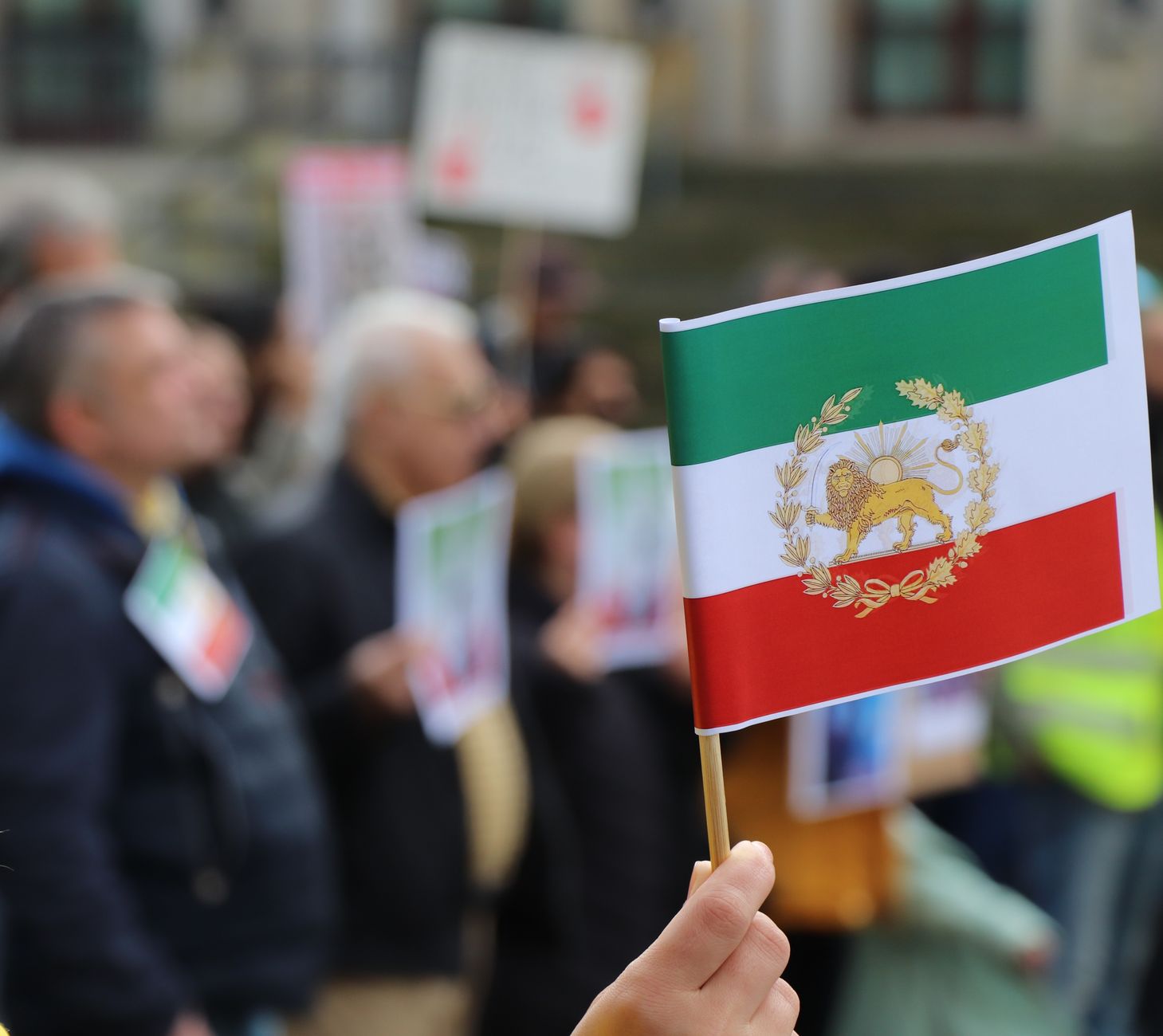
Hooking the Reader: Why This Topic Keeps Coming Up
For years, headlines about a possible settlement with Iran have flashed across screens and front pages. The phrase trump made iran peace has appeared in varying forms as policymakers, diplomats, and negotiators issue statements, sometimes faint, sometimes bold. Investors naturally ask: if a deal is near, should I reposition my portfolio to lean on the expected calmer seas? The short answer is: not yet. The longer answer, which this article unfolds, is that peace talk is not a rebalancing signal on its own. It can influence markets, but only when paired with credible probability, concrete terms, and credible timelines.
In investing, timing matters as much as direction. A peace deal may alter risk premiums, energy prices, and geopolitical volatility, but the magnitude and duration depend on specifics that are often unknown for weeks or months. This piece breaks down what it would take for a real impact, how to interpret the headlines, and practical, numbers-backed steps you can take today.
What a Real Peace Deal Could Do for Markets
Two big channels matter for investors: energy prices and global risk sentiment. If a comprehensive, credible agreement opens up the Strait of Hormuz and reduces the probability of supply disruptions, crude prices could ease. Conversely, if the deal remains vague or is followed by enforcement challenges, markets may stay choppy regardless of political theater.
Oil price scenarios illustrate the point. In a baseline scenario where a peace deal reduces geopolitical risk and routes to market open more smoothly, crude could fade from recent spikes toward the low-to-mid 60s per barrel for WTI within a few months. A more aggressive, lasting settlement that also lifts sanctions gradually could push prices toward the mid 50s or even the high 40s in a best-case scenario—but those levels would depend on global demand and OPEC strategy as much as on diplomacy.
Equities, particularly energy and industrials, respond to changes in energy costs and risk appetite. If the threat premium across markets declines, you might see a rotation away from hedges toward cyclicals and value. However, a real deal would still face other headwinds—global growth patterns, inflation persistence, and policy responses from central banks—that can limit how quickly the market prices in relief.
Let’s translate that into practical expectations for different asset classes:
- Energy stocks and integrated majors could see a relief rally, especially if oil drifts lower and the pipeline to normalized oil flows clears.
- Laggards like some consumer staples or high-quality tech might underperform in a risk-on mood if rates stay elevated or if inflation expectations do not cool as much as hoped.
- Bonds could benefit if risk sentiment improves and investors rotate from shelter assets to equities, though real yields remain the key driver more than headlines alone.
In short, trump made iran peace is not a magic wand for markets, but it can be a meaningful catalyst under the right conditions. The practical question for investors is not whether to cheer headlines, but how to position portfolios for a spectrum of possible outcomes.
Why The Pattern Matters: The Risk of Reactions Without Real Resolution
The idea that a new peace deal is imminent has a long memory. Financial journalists and analysts often caution that promises sometimes outpace policy, and headlines can be misleading or incomplete. When you hear trump made iran peace in the news cycle, it’s natural to feel a sense of relief that inflationary pressure might ease and energy markets could calm. Yet reality often involves temporary moves that fade as details emerge or as other risks reassert themselves.
From an investor’s vantage point, the risk here is not just direction but timing. If you react with a large tilt toward one sector or asset class based on a single report, you may be left offside when the next headline shifts course. Instead, combine a sober assessment of probability with a plan that accounts for a range of outcomes. This approach protects you from the whipsaw that often follows geopolitical news.
To ground this in numbers, consider the typical price sensitivity of oil to geopolitical risk. A one standard deviation move in geopolitical risk can shift WTI by roughly 5-8% in a short window, depending on the backdrop of supply constraints and demand signals. If a credible peace deal emerges with clear enforcement and gradual sanctions relief, markets may price in some relief, but the exact path depends on the pace of policy changes, not merely the headline itself.
That’s why the best default is a disciplined, diversified response rather than a knee-jerk repositioning. The following sections lay out concrete steps you can take to prepare without overreacting.
Three Realistic Scenarios and Their Implications for Your Portfolio
To translate the news into actionable moves, let’s sketch three plausible scenarios. Each scenario includes a probability-based view, a market reaction, and a practical portfolio move you could consider if it unfolds. Remember, probabilities are educated estimates, not guarantees.
Scenario A: A Credible, Timely Peace Deal with Clear Terms
Probability: Moderate (roughly 20–40% depending on geopolitical dynamics and domestic policy timelines).
Market reaction: A relief rally in risk assets, especially energy and cyclicals; a modest pullback in safe-haven assets as investors reallocate to equities. Oil may ease 5–15% from recent highs, but big structural drivers like global demand and OPEC policy still matter.
Portfolio moves: Consider trimming outsized energy risk only if you’re overweight. Rebalance toward quality growth or value with a tilt to sectors that benefit from stable inflation and lower volatility. A practical guideline: if your energy exposure exceeds 8–10% of equities, reduce to a 5–8% range and reinvest into diversified, broad-market funds or dividend growers with stronger balance sheets.
Scenario B: A Vague Agreement with Slow, Uneven Enforcement
Probability: Higher than Scenario A in many markets due to diplomatic complexities and domestic politics.
Market reaction: Mixed volatility with brief spikes and rapid reversals. Inflation expectations and bond yields may remain sticky as policy normalization lags.
Portfolio moves: Maintain diversified exposure with a bias toward high-quality, cash-generating assets. Consider increasing holdings in inflation-protected or shorter-duration bonds to dampen rate risk, while preserving a core allocation to equities for growth opportunities.
Scenario C: No Breakthrough for the foreseeable future
Probability: Not zero, given political headwinds and regional dynamics.
Market reaction: Continued volatility, with energy markets reacting to supply concerns and risk-off flows in global markets. Inflation persistence may constrain rate relief, supporting a cautious stance in portfolios.
Portfolio moves: Emphasize diversification, quality, and liquidity. Maintain exposure to global diversification through broad market funds, and consider selective hedges in macro-sensitive assets like commodities or currencies if you believe sentiment could swing on headlines.
Practical Steps You Can Take Today
Regardless of which scenario may play out, there are concrete steps you can take now to position your portfolio for resilience. The aim is to align risk with your goals, not to chase every headline.
- Review your risk tolerance and time horizon. If you are near retirement or approaching a goal with a tight timeline, prefer capital preservation and lower volatility.
- Assess sector weights. If your portfolio is heavily weighted in energy or defense-related equities, rebalance toward a globally diversified mix with a long-term track record of earnings stability.
- Strengthen your bond sleeve with quality credits. Consider a blend of short- to intermediate-duration bonds and inflation-linked bonds to protect against rate swings.
- Look for quality in equities. Favor firms with strong cash flow, low debt, and pricing power that can weather inflation and geopolitical uncertainty.
- Use risk controls. Set stop-loss or target-range alerts for volatile holdings to avoid abrupt, emotion-driven selling during headlines.
Let’s translate these steps into a concrete, numbers-based example. Suppose you have a $200,000 portfolio with a traditional 60/40 stock/bond split and a 5% energy overweight. A credible peace deal reduces oil volatility and lifts risk appetite. You might consider trimming energy exposure from the overweighted range to a 5–7% allocation and reallocating to high-quality dividend growers or broad ETFs that offer diversification across geographies and industries. The goal is to preserve capital while keeping room for upside in non-energy sectors.
How to Think About the Phrase trump made iran peace in Real-Life Portfolios
The phrase trump made iran peace captures the psychology of headlines rather than a precise market move. You should not treat it as a signal to swing a large stake toward or away from any single asset class. Instead, integrate geopolitical awareness with fundamental investing principles: diversify, manage risk, and align allocations with your long-term goals. In that sense, headlines are tools for context, not a blueprint for action.
Realistic investors focus on the longer arc: how policy shifts, sanctions, and supply dynamics intersect with global growth. If a credible deal reduces the risk premium on global energy markets, you might see a gradual reweighting toward global equities and cyclical sectors. But the timing is rarely perfect, and market moves can be choppier than the headlines suggest.
Real-World Examples: How Investors Have Reacted in the Past
While every geopolitical moment is different, investors often react to a blend of policy signals, macro data, and market momentum. For example, when there were hopeful but ambiguous signals about sanctions relief in the past, oil markets sometimes pricing-in relief while risk assets remained volatile. A well-structured investor would use those moments to test hedges, confirm diversification, and avoid over-concentration in any single outcome or sector.
Another real-world angle: central banks. If a peace deal lowers energy-driven inflation expectations more quickly than anticipated, fixed income markets could rally as investors price in lower expected policy rates. Conversely, if inflation remains stubbornly high, rate expectations may not move as much, dampening any immediate relief from diplomatic headlines.
Putting It All Together: A Simple Action Plan
If you want a concise, actionable path forward, here’s a practical plan you can apply this week:
- Audit your current allocations across equities, bonds, and alternative assets. Identify any overweighted positions tied to energy or defense that could be trimmed if headlines shift.
- Set a target risk level. If your risk tolerance has changed due to life events, adjust exposure accordingly. Consider moving toward a balanced, globally diversified fund with a low-cost fee structure.
- Establish a watch list for potential entry points. Note 2–3 entry levels for key sectors so you can act without chasing headlines.
- Prepare a cash reserve for opportunistic buying. A 3–6 month cushion can help you capitalize on dips without selling into downturns.
- Document your rebalancing rules. Decide how much you’ll trim or add to each asset class if oil prices move by 5–10% over a 4–6 week period.
Conclusion: The Balanced Way Forward
Even as trump made iran peace headlines surface and reappear, the investor takeaway remains consistent: headlines are a piece of the puzzle, not the whole picture. A thoughtful, disciplined approach that blends probability assessment with well-diversified allocations stands up better to the inevitable twists of geopolitics. When you plan for multiple scenarios, you protect your financial goals while keeping room to participate in potential upside if a credible peace actually takes hold.
So, should you reposition your portfolio the moment you see a new peace talk headline? Not unless you have a clear plan grounded in your goals and your risk tolerance. Use the information above to guide measured decisions, maintain diversification, and stay focused on your long-term plan. After all, trump made iran peace is a narrative, not a single investment signal.
FAQ
Q1: If oil prices drop because of peace talks, should I buy energy stocks?
A1: A potential oil price relief does not guarantee stock gains. Consider your overall risk, time horizon, and whether your energy exposure fits your plan. A measured approach—rebalancing to a balanced allocation rather than chasing a sector—often works best.
Q2: How long could any market impact last?
A2: It varies widely. Immediate moves can occur in days to weeks, but meaningful trend changes may take months as policy details unfold and global growth evolves.
Q3: What are concrete steps to prepare today?
A3: Review risk tolerance, rebalance toward a diversified mix, introduce bond duration and inflation hedges, and maintain a cash reserve for opportunistic buys. Use a rule-based plan rather than headlines to guide decisions.
Q4: How can I avoid overreacting to geopolitical news?
A4: Keep a written investment policy, use scenario planning to test outcomes, and implement gradual adjustments rather than dramatic shifts. Regularly review your plan and adjust only when your core assumptions change.
Discussion