
Oil Breaks Above $100 as Iran Risk Sparks Market Turmoil
Oil prices jumped to the $100-plus threshold on Friday as geopolitical risk surrounding Iran intensified. The latest move comes with gasoline costs near the high end of recent years, threatening to sap consumer spending just before Memorial Day weekend. AAA data put the national average for regular gas at about $4.58 a gallon as drivers prepare for holiday travel.
Markets are parsing whether any new actions tied to Iran will escalate or de-escalate the risk. Observers note that the Strait of Hormuz — a critical shipping lane for global oil flows — remains a focal point for traders, with roughly a fifth of daily global oil shipments moving through the corridor. As investors wrestle with the potential fallout, crude benchmarks hovered around $102 for WTI and near $106 for Brent.
Geopolitics and Policy: Trump Plans Next Round and Iran Tensions
The political backdrop is swelling the energy risk premium. Analysts warn that the coming phase of U.S. policy toward Iran could determine whether supply disruptions intensify price pressure or if a measured response stabilizes markets. In recent days, talk of new moves from the White House has sharpened hedging activity across energy-related assets.
Market chatter has increasingly centered on the idea that policy direction may hinge on evolving sanctions and diplomatic signals. In this context, the phrase 'trump plans next round' has appeared in headlines and on trading desks as a shorthand for the risk that policy shifts could remake energy flows. Some traders say this scenario could produce either an inflationary impulse or a more tempered outlook, depending on the next steps from Washington and Tehran.
As Memorial Day approaches, May 25, 2026, the timing adds another layer of urgency for consumers and companies alike. If policy moves align with heightened sanctions or new restrictions, energy prices could stay elevated through the summer driving season.
Investing Impacts: Energy Stocks, Hedging, and Volatility
Investors are recalibrating energy exposure to reflect the uncertain political terrain. Some portfolio managers advocate cycling into high-quality producers with robust balance sheets and strong cash flows, while others caution that sanctions risk could trigger abrupt revaluations in energy equities and related derivatives.

Traders have leaned into hedging strategies and liquidity as a way to navigate ongoing volatility in crude and fuel markets. The movement in energy sector ETFs has reflected this tug-of-war, with swings in demand expectations and supply risk pricing into futures curves. In this context, the phrase 'trump plans next round' has emerged as a focal point for risk assessment on energy equities and commodity-linked instruments. Analysts warn that 'trump plans next round' could reshape hedging approaches if policy signals shift in a material way.
Impact on Consumers and Businesses
Higher energy costs tend to ripple through the economy, affecting travel, logistics, and manufacturing. Airlines face higher fuel bills, freight haulers must manage diesel and jet-fuel costs, and retailers contend with tighter consumer budgets as households adjust travel plans. While refiners could see tighter margins in a high-price environment, sustained elevated crude prices may also support refining margins for a period as demand patterns evolve with the driving season.
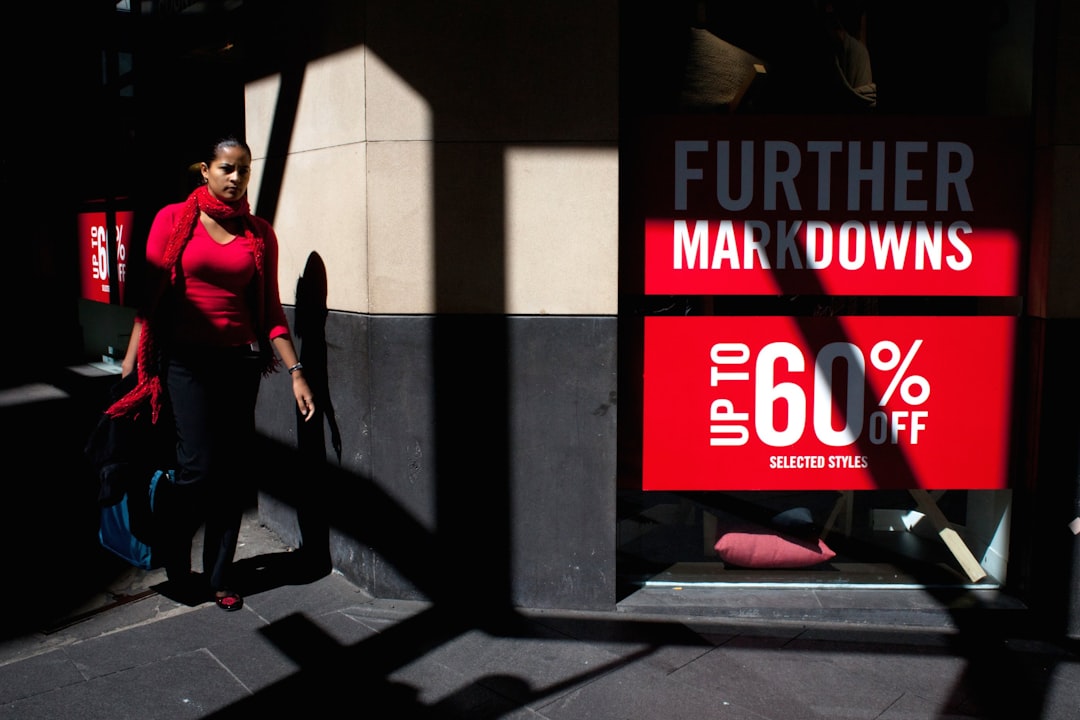
For families, the upshot is a tighter weekly budget. Even modest increases in pump prices can translate into hundreds of dollars more in annual fuel expenditures for a typical household, depending on vehicle efficiency and travel habits. The energy component remains a crucial driver of consumer price dynamics as policymakers weigh inflation and growth amid a shifting geopolitical landscape.
What To Watch Next
- Iran diplomacy developments: new sanctions, ceasefire talks, or de-escalation could rapidly alter the energy risk premium.
- Global supply signals from OPEC+ and major producers, especially if demand patterns shift with the summer travel season.
- U.S. policy timing and the political calendar, which could influence energy markets through the next quarter.
- Industry responses: airlines, shippers, and manufacturers adapting routing and hedging in light of volatile energy costs.
Key Data Snapshot
- Crude: WTI around $102/bbl; Brent near $106/bbl
- U.S. regular gasoline: about $4.58 per gallon
- Memorial Day 2026 travel: projected to rise 5-7% year over year
- Energy sector ETFs: mixed performance as headlines drive swings
- Geopolitical risk premium: elevated, with policy signals closely watched
Discussion