
Hook: The Real-World Cost Behind Tariffs
Imagine opening your monthly budget and finding an extra line item you didn’t plan for: higher prices on everyday goods, from sneakers to electronics. That’s the practical consequence of tariffs, and it matters far beyond politics. In 2026, many households will notice the impact in their wallets, and investors will notice it in stock prices and portfolio performance. This article digs into how trump's tariffs will cost consumers and businesses, what that means for different corners of the market, and concrete steps you can take to protect and grow your investments.
What Do We Mean When We Say Trump’s Tariffs Will Cost?
Tariffs are taxes on imported goods and services. When policymakers raise tariffs, the cost doesn’t just disappear at the border; it ripples through supply chains, vendor pricing, and consumer prices. For households, higher prices on imports can shrink purchasing power and alter saving and spending plans. For investors, tariffs can shift which sectors outperform or underperform, influence margins, and affect the risk profile of certain stocks and funds.
In recent policy debates, analysts have highlighted that the current tariff landscape is pushing the average effective tariff rate to levels not seen in decades. While the exact dollar figure varies by household spending patterns, the trend is clear: more of your grocery bill, your clothing budget, and your gadget upgrade could be touched by import taxes. This is what we mean when we say trump's tariffs will cost consumers more money and potentially weigh on corporate earnings in import-heavy industries.
How Tariffs Ripples Show Up in the Stock Market
The stock market doesn’t react only to the policy itself; it reacts to the expectations of what tariffs will do to company profits, consumer demand, and inflation. Here are the feedback loops investors should watch:

- Margin Pressure: Companies that rely on imported inputs or components may face higher costs, squeezing margins unless they can pass costs to customers.
- Consumer Spending: If tariffs raise prices on everyday goods, households may cut back on nonessential purchases, which can hit consumer-focused stocks.
- Supply Chain Shifts: Firms may accelerate reshoring or diversify suppliers, affecting capital expenditures and long-run profitability.
- Sector Winners and Losers: Domestic producers of goods that face less exposure to imports may fare better, while import-heavy industries could lag behind.
From a portfolio perspective, trump's tariffs will cost some sectors more than others. Historically, defense of margins and diversified revenue streams help, but the reality is nuanced: a well-hedged portfolio can still capture growth while reducing volatility amid tariff chatter.
Real-World Scenarios: How Tariffs Touch Everyday Stocks
Let’s translate macro tariff chatter into tangible stock implications. Consider three common investor scenarios that illustrate how trump's tariffs will cost some stocks more than others:
- Scenario A — Consumer Staples and Healthcare defenders: These sectors tend to be less sensitive to import shocks because they offer essential goods and services. A basket like this often remains steadier when tariffs push inflation higher. In practice, a diversified consumer staples fund or a healthcare ETF may exhibit lower volatility during tariff-driven selloffs.
- Scenario B — Import-Heavy Manufacturers: Firms that rely on foreign-sourced components (like electronics, cars, or machinery) could see elevated costs, pressure on margins, and, in turn, slower earnings growth. Investors may reprice these stocks downward if cost pass-throughs to consumers falter or demand weakens.
- Scenario C — Domestic Producers and Shippers: Companies that produce goods domestically or rapidly shift supply chains to the U.S. may benefit from tariff-induced demand shifts and improved margins. Transportation, logistics, and some industrials might outperform if the supply chain stabilizes onshore.
To ground this in numbers, suppose the tariff regime adds 1.2% to a broad consumer price index for imported goods. A family of four with $85,000 in annual spending could see roughly $1,000 extra per year in everyday purchases. That’s a practical reminder that tariff policy isn’t just an abstract debate; it’s a driver of earnings, dividends, and stock prices for many household names you may already own.
Why Investors Should Rethink Portfolios in a Tariff-Heavy World
Tariffs create a shifting risk landscape. The key is not to avoid risk but to understand where risk comes from and how to manage it. Here are concrete steps you can take today:

- Assess Exposure: Review your portfolio’s sector weights and the geographic exposure of your funds. Identify assets with the highest sensitivity to import costs.
- Diversify Across Regions and Sectors: Don’t rely on a single beta—mix in sectors that show resilience to price-pass-through or have strong balance sheets.
- Embrace Quality and Cash Flows: Favor companies with durable pricing power, strong balance sheets, and low debt, which can weather margin compression better.
- Use Defensive Anchors: Include utilities, healthcare, and consumer staples as ballast to reduce drawdowns when tariff headlines swing the market.
- Consider Tactical Tilts: Short- to medium-term tilts toward domestic production beneficiaries may provide relief when tariffs remain elevated.
Smart Ways to Position Your 401(k), IRA, or Brokerage Account
Long-term investors should resist knee-jerk reactions, but they should not ignore policy shifts that affect returns. Here are practical moves that align with a prudent, evidence-based strategy:
- Keep Core Index Funds Intact but Reassess Sub-Allocations: A well-diversified core can absorb tariff swings, but you may want to tilt slightly toward sectors with pricing power or domestic supply chains.
- Increase Exposure to Quality Dividends: Stocks with sustainable dividend growth can provide a cushion during volatility and help offset rising price levels for consumers.
- Limit Concentration Risk: If your portfolio leans too heavily on a few import-heavy names, rebalance toward broader market funds or diversified ETFs to reduce single-stock risk.
- Maintain Sufficient Cash Reserves: Tariffs can create volatility. Holding 6–12 months of essential expenses in a high-yield savings or money market fund gives you room to rebalance calmly during pullbacks.
- Think in Time Frames: Tariff impacts can be temporary if supply chains adjust. For longer horizons, focus on competitive advantages and secular growth themes rather than short-term noise.
A Simple Case Study: A Mid-Sized Portfolio in a Tariff Cycle
Imagine a retirement-minded investor with a $500,000 portfolio spread across 60% stocks and 40% bonds, with a tilt toward broad market index funds and a sleeve of consumer staples and healthcare. Over a 12-month horizon affected by tariff rhetoric and eventual policy tweaks, how might this portfolio fare?
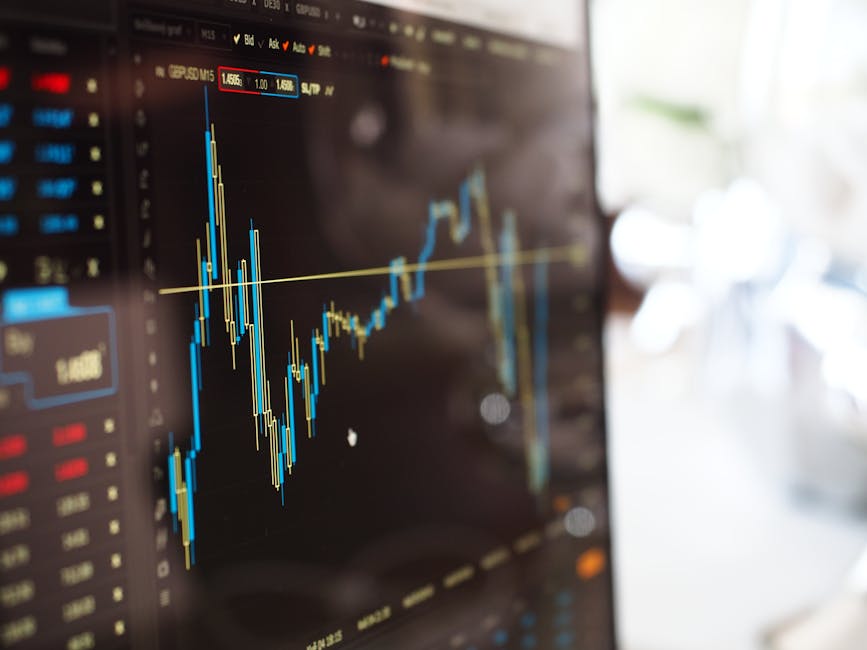
Scenario assumptions:
- Tariffs add 0.6–1.2% to consumer prices by year-end, with most impact in import-heavy goods.
- Defensive sectors (utilities, healthcare, staples) show lower drawdown risk during tariff spikes.
- Quality growth firms with strong balance sheets ride out volatility and resume growth as inflation stabilizes.
Under these assumptions, a diversified portfolio with a modest rotation toward defensives could see a smoother drawdown curve, avoiding the steep selloffs that sometimes accompany tariff headlines. Over time, if tariffs are rolled back or supply chains adapt, gains in the economically resilient sectors can offset some of the near-term drag in consumer discretionary stocks.
Tariffs are a policy tool with tangible economic and financial consequences. For households, trump's tariffs will cost some portion of income in higher prices for imported goods, which can squeeze discretionary spending. For investors, tariffs create a dynamic risk environment—shifting sector leadership, pressuring margins, and increasing market volatility. The prudent path is not to fear tariffs but to understand how they reshape risk and return and to adjust portfolios with discipline.
In practice, this means prioritizing clarity over emotion. Know where your money is exposed, stretch for quality, diversify across sectors with pricing power, and maintain liquidity to take advantage of new opportunities when the volatility cools. If you adopt a thoughtful framework, tariffs can become a driver of smarter, not just safer, investing.
Conclusion: Stay Informed, Stay Prepared
The question isn’t whether tariffs exist, but how they influence everyday costs and long-term investment outcomes. By recognizing the link between tariff policy, consumer prices, and stock performance, you can make informed choices that protect your finances and position you for growth. Remember: trump's tariffs will cost households and portfolios differently, but a disciplined, diversified approach can help you weather the storm and emerge with a stronger financial footing.
FAQ
Q1: How exactly do tariffs affect my wallet?
A1: Tariffs raise the price of imported goods, which can push up household inflation. If your budget includes a lot of imported products or components, you may see modest-to-noticeable price increases in categories like electronics, clothing, and automotive parts.
Q2: Which stocks are most sensitive to tariffs?
A2: Companies that rely heavily on imported inputs or U.S. consumers’ demand for imported goods tend to be more sensitive. Think electronics manufacturers, apparel retailers, and some auto parts suppliers. Conversely, domestic producers and firms with strong pricing power can cushion the impact.
Q3: Should I sell stocks because of tariffs?
A3: Not necessarily. A better approach is to assess exposure, rebalance toward more resilient sectors, and maintain a long-term plan. Short-term volatility is common, but a diversified portfolio with quality holdings typically recovers over time.
Q4: What’s a practical way to respond in my 401(k) or IRA?
A4: Check the fund’s sector and geographic exposure, avoid overconcentration in import-heavy areas, and consider a modest tilt toward defensives or domestically oriented producers. Maintain a cash reserve for opportunistic rebalancing during volatility.
Discussion