
Introduction: Finding Stability in a Chaotic Market
Markets today feel more turbulent than they did a decade ago. Geopolitical frictions, rapid technology change, and shifting consumer behavior all contribute to higher volatility. Yet chaos also creates opportunity. Investors who focus on durable businesses with sticky revenue, strong balance sheets, and meaningful secular trends can find stocks with monster potential that weather the storms and emerge stronger over time.
This article identifies two such names and explains why they deserve a place in a long-term portfolio. The focus is on the kind of companies that deliver repeatable earnings, invest aggressively in growth, and maintain leadership in high-growth corners of the economy. In other words, stocks with monster potential that you can practically own through the next decade of chaos.
What Makes a Stock Have Monster Potential?
Before we dive into the picks, let’s define what qualifies as monster potential in uncertain times. Look for:
- Structural growth drivers that aren’t easily disrupted by macro swings (think dominant platforms, AI, cloud, data centers, or essential software).
- Recurring revenue or high-value services that cushion earnings during downturns (subscription models, enterprise contracts, or long-term licensing).
- Balance sheet strength to fund technology leadership and M&A if needed, plus room to weather downturns without cutting essential R&D.
- Pricing power and the ability to protect margins as costs rise, often via differentiation or network effects.
- Resilience and adaptability in product lines, with the ability to pivot toward expanding markets like AI, security, or hybrid work.
In other words, monster potential isn’t about hype; it’s about enduring competitive advantages, real cash flow, and a vision for outsized growth that can endure the next decade of chaos.
Stock 1: NVIDIA — The AI Engine Powering a New Era
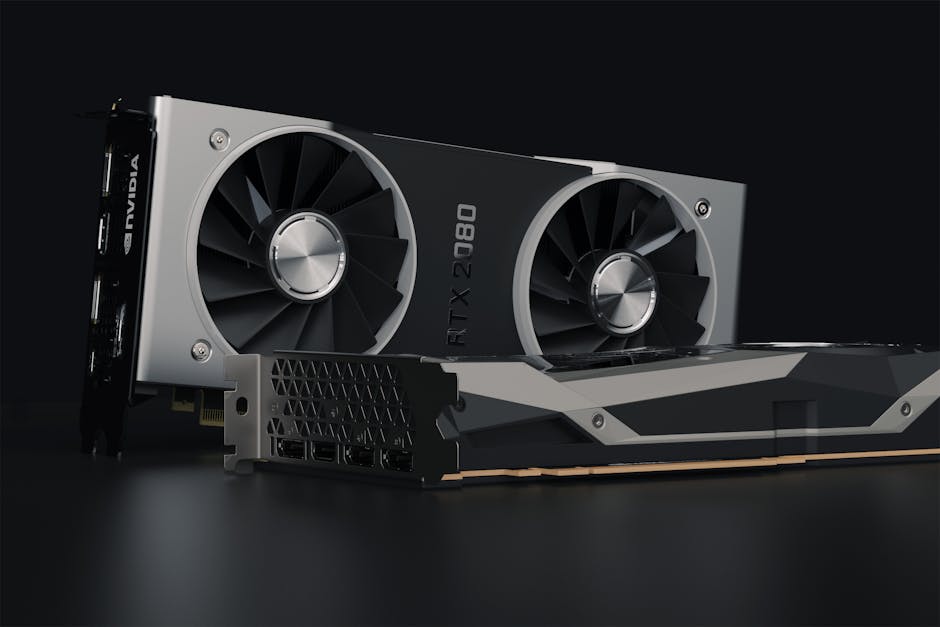
NVIDIA sits at the center of the AI revolution. Its GPUs, AI software stack, and data-center acceleration capabilities have made it the go-to technology for training and running large AI models. In an era where artificial intelligence is shifting how businesses compile insights, run simulations, and deliver new products, NVIDIA’s role is not fleeting—it’s systemic.
Why this matters for the next decade:
- Dominant hardware moat: NVIDIA’s GPUs remain the de facto standard for AI workloads. As organizations deploy more AI, demand for high-performance accelerators grows, not slows.
- Software and platform leverage: Beyond chips, NVIDIA’s software stack (CUDA ecosystems, AI frameworks, software libraries) lock in developers and enterprises, creating a sticky ecosystem.
- Data center flywheel: AI adoption scales cloud infrastructure. With more data, model training becomes more valuable, driving recurring revenue through cloud partnerships and enterprise deals.
- Resource scarcity narrative: In a world where compute power is a critical bottleneck, NVIDIA’s position as a leading supplier becomes an essential asset for any company pursuing AI-enabled growth.
But there are risks to monitor:
- Cyclic AI demand: If AI investment slows or major customers delay purchases, NVIDIA’s revenue could see pockets of weakness.
- Supply chain and competition: Chip supply constraints or new competitors could compress pricing or margins.
- Valuation sensitivity: A market excited by AI can push valuations higher; a sharp correction could pressure sentiment even if fundamentals remain solid.
How to think about NVIDIA in a long-run plan:
- Position sizing: For a high-conviction AI leader, a 2-5% position in an equity sleeve could be reasonable, with room to scale on pullbacks.
- Entry strategy: Consider a phased approach—begin with a core position built through dollar-cost averaging as volatility presents buying opportunities.
- Risk controls: Use set price targets or trailing stops based on a percentage of the stock’s peak in the last year to help manage downside risk, while preserving upside potential.
Stock 2: MICROSOFT — The Cloud Backbone and AI Integrator
Microsoft stands out not just as a giant in software but as the backbone of modern enterprise IT. Its cloud platform, productivity software, and strategic AI initiatives position it to benefit from several secular trends at once: cloud adoption, hybrid work, digital transformation, and AI-infused software as a service. For the next decade of chaos, Microsoft’s business model offers robust resilience and meaningful growth potential.
Key drivers that support monster potential here:
- Azure and cloud leadership: A broad set of cloud services, enterprise-friendly governance, and a large existing installed base create a durable revenue stream.
- AI integration across products: The company is embedding AI into Office, Dynamics, and other core products, unlocking higher usage, productivity gains for customers, and healthier margins.
- Recurring revenue engine: Software subscriptions, cloud usage, and enterprise agreements generate predictable cash flow even in uncertain times.
- Strategic acquisitions and ecosystem: A wide partner network and strong developer ecosystem amplify platform stickiness and expand total addressable market.
Risks to consider:
- Regulatory scrutiny: Big tech faces intensified scrutiny that could affect margins or strategic options.
- Competitive pressure: While Microsoft remains a leader, rivals in AI acceleration and cloud services can erode share if not matched by innovation.
- Macro sensitivity: Enterprise IT budgets respond to macro cycles; a prolonged slowdown could temper growth, especially in new AI spend.
How to approach Microsoft for long-term gains:
- Dollar-cost averaging: Given the stock’s size and volatility, splitting purchases over 6-12 months helps smooth entry.
- Dividend component: Microsoft’s dividend yield typically sits around 1%–1.5% historically. Reinvesting dividends can boost long-run returns, especially when paired with growth.
- Rebalancing discipline: Maintain a steady share count target in your portfolio, but rebalance when cloud-centric growth slows or fundamentals tighten unexpectedly.
How to Build a Resilient “Monster Potential” Portfolio
Two strong bets can anchor a broader mix in a decade of uncertainty. Here’s a practical framework to turn these insights into action.

1) Start with a Clear Core
From the outset, dedicate a solid core to these kinds of stocks with monster potential. For many investors, a 15-25% core allocation across 2-3 mega-cap growth-oriented names provides growth upside while still leaving room for diversification into other asset classes.
2) Layer in a Tactical Sleeve
Keep a smaller, tactical sleeve that can be adjusted as conditions evolve. This slice can include smaller growth names, cyclicals with durable earnings, or value plays that offer meaningful upside if market sentiment improves.
3) Use Dollar-Cost Averaging Strategically
Rather than trying to time every move, commit to regular investments (for example, $1,000 per month) into NVIDIA and MICROSOFT. Over 12-24 months, you’ll average out price fluctuations and reduce the risk of a single bad entry.
4) Plan for the Long Haul
Think in decades, not quarters. The ваши long-run plan should align with your time horizon, liquidity needs, and tax situation. Revisit the thesis annually, but avoid overreacting to short-term noise.
Real-World Scenarios: What Decade-Long Chaos Might Look Like
To illustrate how these two stocks could perform in a chaotic environment, consider three plausible scenarios. These aren’t predictions, but helpful frames for planning.

- Base Case: AI adoption accelerates at a steady pace, corporate budgets stabilize, and cloud demand remains resilient. NVIDIA and MICROSOFT deliver above-market revenue growth with healthy margins, and the stocks compound your wealth gradually over the decade.
- Upside Case: A breakthrough in AI applications drives surging customer adoption, data-center utilization, and enterprise software upgrades. Both companies accelerate growth faster than peers, expand operating margins, and their stock prices leap higher with minimal volatility in their businesses.
- Downside Case: A macro shock reduces IT spend or a regulatory clampdown reshapes AI-related markets. Quality leadership and balance sheets keep earnings resilient, but price appreciation stalls, creating opportunities to buy more at lower levels if fundamentals stay intact.
In all scenarios, the key is to maintain discipline — ensure your thesis remains intact, avoid overexposure to any single trend, and rebalance as needed.
Putting It All Together: A Practical Roadmap
Here's a straightforward plan you can implement in the coming months.
- Assess your risk tolerance: If you’re comfortable with higher volatility tied to AI and cloud leaders, a focused, high-conviction approach may fit you well.
- Define a target allocation: For many investors, a 5-10% exposure to each stock in a diversified equity sleeve is reasonable, with adjustments based on risk appetite.
- Set up a cadence: Implement a 6- to 12-month buying plan that includes buffers for market pullbacks and keeps you disciplined during rally phases.
- Choose exit strategies: Decide in advance how you’ll trim exposure if fundamentals deteriorate or if the stock becomes overextended relative to earnings growth.
- Focus on fundamentals: Track free cash flow growth, AI-related product traction, and enterprise adoption, not just headlines about AI hype.
Risks and Considerations
Even stocks with monster potential carry risk. Here are the main concerns to monitor:
- Valuation risk: High-growth stocks often trade on expectations. A sharp shift in sentiment can compress valuations quickly, even with strong fundamentals.
- Competition: AI and cloud ecosystems are crowded. New entrants or unexpected partnerships can alter market dynamics.
- Macro volatility: Economic downturns, rate changes, or geopolitical events can affect enterprise IT budgets and AI investments.
- Regulatory and policy shifts: Data privacy, security, and antitrust concerns can influence how these platforms operate and monetize their services.
Stock selection should be paired with a well-thought-out risk management framework. Monster potential is amplified when risk is controlled through diversification, disciplined entry points, and a long-term horizon.
Final Thoughts: The Case for Monster Potential in a Turbulent World
In an era of chaos, investors shouldn’t chase quick flips. The best opportunities come from companies with durable competitive advantages, scalable earnings, and the ability to reinvest huge portions of their cash in growth. NVIDIA and MICROSOFT exemplify the kinds of businesses that can deliver outsized returns over a decade, even when headlines are noisy and markets swing wildly.
By combining a core core position in these monster-potential stocks with a disciplined buying plan, a thoughtful diversification strategy, and a clear perspective on risk, you can build a portfolio that stands up to the decade of chaos—and perhaps thrives because of it.
FAQ
Q1: What makes stocks with monster potential different from other growth stocks?
A1: Stocks with monster potential combine durable competitive advantages, sticky revenue streams, and the ability to compound earnings over many years. They typically exhibit strong free cash flow, scalable products, and leadership in high-growth secular themes such as AI or cloud computing. They’re built to survive and prosper across multiple market cycles, not just in a bull run.
Q2: Why NVIDIA and MICROSOFT in particular?
A2: NVIDIA is a leading force in AI hardware and software ecosystems, with a compelling growth narrative tied to AI adoption and data-center acceleration. Microsoft is a software and cloud giant with broad enterprise reach, a robust recurring revenue model, and AI-infused products that can expand usage and margins. Together, they cover hardware-led AI momentum and software/cloud platforms, creating a balanced, complementary mix for a decade-long thesis.
Q3: How should a beginner start investing in these ideas?
A3: Start with a clear plan: determine how much you want to allocate, set up automatic, regular purchases (dollar-cost averaging), and keep a long-term horizon. Use a modest core allocation (2-5% per stock) in a diversified portfolio, and rebalance periodically to manage risk. Consider tax-advantaged accounts for potential growth over time.
Q4: What are the biggest risks to watch for these two stocks?
A4: Valuation risk, regulatory changes, and macro swings that affect IT budgets. For NVIDIA, AI demand cycles and supplier dynamics matter. For Microsoft, competitive pressure in AI, cloud pricing pressure, and regulatory developments can influence performance. Staying informed and sticking to a disciplined plan helps mitigate these risks.
Q5: How can I measure whether these stocks still have monster potential?
A5: Track progress in three areas: 1) AI-enabled product traction (customer adoption, usage metrics, and renewal rates); 2) Free cash flow growth and margin expansion; 3) Evidence of durable competitive advantages (market share gains, ecosystem lock-in, and scalable software platforms). If these metrics stay healthy and the valuation remains reasonable relative to growth, the thesis remains intact.
Discussion