
Introduction: A Quiet, High-Impact Link Between War and Wafers
When headlines focus on geopolitics, investors often overlook a quiet but powerful chain reaction: how energy markets respond to conflict can silently reshape the economics of silicon production. Taiwan Semiconductor Manufacturing Company (TSMC) is the world’s largest contract chipmaker, and its fortunes hinge not just on demand for chips but on the cost and reliability of power, water, chemicals, and logistics. A conflict in the Middle East can trigger an energy-price surge, disrupt shipping lanes, and alter supplier pricing long before you see it in quarterly results. This is the kind of chain reaction that savvy investors call an unintended consequence middle east: a risk that emerges from geopolitical events far from a company’s doors but lands squarely in its bottom line. In this guide, we’ll examine why that happens, how it could affect TSMC, and what investors can do to prepare.
Why the Middle East Matters to Global Energy And to TSMC
The Middle East has historically been a central hub in the world’s energy system. Oil and natural gas shipments move across regional chokepoints and through complex global markets that price energy in real time. Even for a technology company based in Taiwan, with fabs spread across continents, energy is not a backdrop—it's a core operating cost. If a regional flare-up translates into higher crude and natural gas prices, electricity costs can rise for every megawatt-hour produced, stored, or imported. In practical terms, a modern semiconductor fabrication plant operates with a power demand that can fill a small city’s yearly energy footprint and requires reliable, predictable energy pricing to plan capex and manufacturing runs.
Consider these real-world dynamics that connect the Middle East to TSMC’s cost structure and financial results:
- Energy intensity of fabs: Leading-edge semiconductor manufacturing is energy-intensive. Large 300mm or 200mm facilities require sustained power draw in the tens to hundreds of megawatts, translating into multi-billion-dollar annual electricity bills at scale. Even modest shifts in energy prices can meaningfully affect operating margins for a company that spends billions on power annually.
- Oil-price spillovers into logistics: Global semiconductor supply chains rely on air, sea, and land freight. When energy prices rise, shipping costs follow. That can raise the cost of bringing chemicals, wafers, and equipment to production sites, especially when long-haul transport is involved.
- Budgeting and hedging uncertainty: Energy-price volatility forces manufacturers to hedge or decouple some costs through long-term contracts. This can alter the timing and accuracy of financial guidance, especially for a company that plans multi-year fab investments and equipment upgrades.
From Energy Markets To Factory Floors: The Transmission Mechanisms
How exactly does a conflict in the Middle East become a potential hurdle for TSMC’s next wafer node? The transmission mechanisms fall into several buckets:
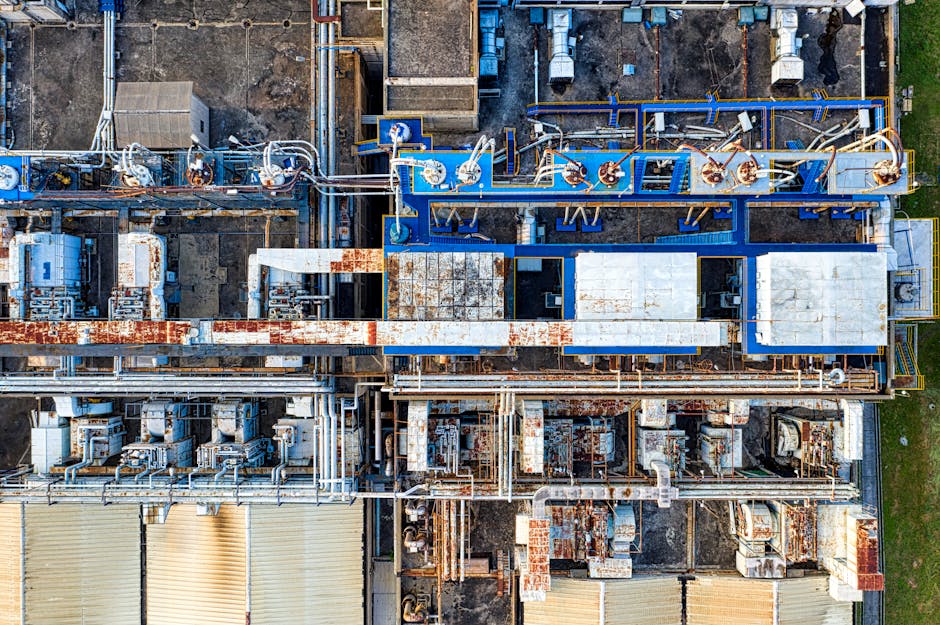
- Electricity pricing and reliability: Power is the lifeblood of fabs. Energy-price spikes raise operating costs, and reliability concerns can force manufacturers to invest more in back-up power and redundancy. That investment increases depreciation and reduces free cash flow available for new technology or capacity.
- Fuel and chemical inputs: The chemicals, gases, and specialty materials used in lithography, deposition, and etching often travel long distances. Higher fuel costs can raise landed costs for these inputs, and any supply disruption can ripple through delivery schedules.
- Shipping and logistics: A war can tighten shipping lanes, slow container movements, and push freight rates higher. For a company that runs a global fab network and ships equipment and spares on tight timetables, even small freight-cost bumps accumulate.
- Capex planning and timing: Energy-price outlook is a factor in where to locate new fabs or where to upgrade existing ones. If the exposed costs are uncertain, management may delay expansions or accelerate localization strategies that shift capex allocations.
TSMC’s Unique Position: Global Footprint And Energy Dependency
TSMC operates a network that spans Taiwan, the United States, and Singapore, with key suppliers and customers dispersed around the world. This complexity creates both resilience and exposure. On the one hand, diversification helps weather localized outages; on the other, the global nature of energy markets means that a disruption in any major producing region can ripple through the entire supply chain. For investors, the practical takeaway is that the unintended consequence middle east is not about a single event—it’s about a set of plausible, ongoing risks that can subtly alter costs and timelines over multi-year horizons.
Supply Chain And Logistics: The Ripple Effect On Costs
Beyond electricity, the broader supply chain can face pressure in a scenario where Middle East tension drives up transport costs and delivery times. Raw chemicals and critical raw materials might travel longer routes or experience port delays. Even if TSMC’s plants run smoothly, the cost to obtain the inputs needed for fabrication can escalate. That translates into higher production costs per wafer and, if sustained, could trim revenue visibility—especially for customers negotiating pricing or reducing pull-in orders during a period of higher uncertainty.
To illustrate, consider a multi-fab strategy that sources chemistry from several global suppliers to reduce single-source risk. When energy prices rise, suppliers may push for price adjustments to cover increased energy and packaging costs. TSMC’s purchasing teams would need to negotiate effectively to maintain margins without eroding customer demand. In a best-case scenario, the company could pass some of these costs onto customers through product mix shifts or volume-based pricing adjustments. In a stressed scenario, margin compression could occur if price passthrough is limited by contract terms or customer pricing power.
Demand Dynamics: Customer Pricing Power And The Unintended Consequence Middle East
Most people don’t think of geopolitical risk as a direct driver of demand for microchips, yet it can indirectly shape how much customers will pay for logic and memory products. If energy markets push broader inflation higher or reduce consumer spending growth, chip buyers—ranging from consumer electronics makers to data-center operators—may pause or slow orders. For a company like TSMC that relies on a steady stream of wafer orders to justify multi-year capex cycles, a modest demand slowdown could complicate project financing and runtime planning.

On the flip side, geopolitical risk can elevate the value of advanced semiconductors. Demand for high-performance computing, AI accelerators, and edge devices may persist even when households spend less on non-essential goods. In such a scenario, the unintended consequence middle east could be that high-end chip ventures continue to attract investments even as general cost of living ticks up. The net effect on TSMC would depend on how well the company manages pricing, capacity, and technology transitions.
Financial Implications: What The Unintended Consequence Middle East Could Mean For Margins
From a financial perspective, the main channels are explicit energy costs, input costs, and the revenue impact of demand changes. Let’s break it down with a simple framework you can apply in your own analysis:
- Operating margin sensitivity: If electricity and gas costs rise by X% and input chemicals by Y%, how does EBITDA move? Small percentage changes in energy can create disproportionate effects on cash flow for large, energy-intensive facilities.
- Capex pacing: Higher energy risk can slow or accelerate investment in next-generation equipment, which in turn affects depreciation and amortization schedules and tax planning.
- Pricing power and customer contracts: A stronger position for customers during inflationary periods might compress price realization. Conversely, demand for leading nodes could sustain higher pricing if supply cannot meet demand.
Historically, semiconductor manufacturers have a sharp focus on energy management because it affects both gross margins and free cash flow. The unintended consequence middle east is an ongoing risk factor that could tilt the balance between maintaining current capacity and delaying expansion. For investors, the key is to watch not only the headline energy prices but also how TSMC communicates its energy hedges, its supplier diversification strategy, and its flexibility in pricing strategy for high-end nodes.
What Investors Can Do Now: Practical Steps To Navigate The Unintended Consequence Middle East
Investors who want to position their portfolios for potential Middle East-related energy volatility should balance optimism about TSMC’s technological leadership with pragmatic risk assessments. Here are concrete steps to consider:
- Quantify energy exposure: Build a simple model that ties TSMC’s operating costs to electricity prices, recognizing that electricity is a primary cost driver in fab operations. Even a modest energy-cost sensitivity analysis can reveal how much margin could be at risk under different scenarios.
- Assess capex flexibility: Look for signs of adaptable capacity plans. A company that can scale up or scale down investment in response to energy-market signals may fare better in volatile times.
- Monitor supply-chain resilience: Evaluate how diversified TSMC is for key inputs (gases, chemicals, water treatment services). Diversification reduces the risk of a single-point disruption.
- Check customer exposure: Analyze the mix of customers and end-markets. A heavier tilt toward AI workloads and data-center customers could provide resilience if consumer demand dips during energy-price spikes.
- Use scenario-based investing: Consider position sizing that reflects energy price scenarios. For example, a cautious allocation could assume a 10-15% rise in electricity costs over a 12- to 24-month period, with a parallel look at hedging outcomes.
Conclusion: A Global Challenge With Local Impacts
The unintended consequence middle east is more than a headline. It is a real-world channel through which regional conflict can transform global energy prices, and those shifts can echo into the manufacturing floors of semiconductor leaders like TSMC. The result is not a single event but a continuum of risks: higher power and input costs, more expensive logistics, potential timing changes for capex, and altered demand dynamics from customers balancing inflation with growth. For investors, the opportunity lies in understanding how resilient TSMC looks across these dimensions and in identifying signs of prudent risk management—hedging energy exposure, diversifying inputs, and maintaining pricing power in high-margin segments.
By staying attuned to energy-market signals and TSMC’s strategic responses, investors can navigate the unintended consequence middle east and position their portfolios for long-term tech resilience rather than short-term volatility. In a world where war and markets are increasingly interconnected, preparation, discipline, and a clear view of risk are the best tools for navigating the path from a geopolitical shock to a measured investment outcome.
FAQ
- Q: What does the term unintended consequence middle east mean for TSMC?
A: It refers to secondary effects—like energy-price volatility and disrupted logistics—that arise from conflict in the Middle East and can affect TSMC’s costs and timing, even though the company doesn’t operate in the region directly. - Q: How could energy prices affect TSMC’s margins?
A: Higher electricity costs increase fab operating expenses; if input costs rise and the company cannot pass all costs to customers, EBITDA and cash flow could be pressured. The impact depends on hedging, capacity utilization, and ability to adjust pricing for high-end nodes. - Q: What signs should investors watch for in TSMC’s reports?
A: Look for commentary on energy hedges, changes in capex planning due to energy outlook, supplier diversifications for chemicals and gases, and shifts in customer mix toward high-margin products. - Q: Is TSMC exposed to the Middle East risk directly?
A: TSMC’s operations are geographically diversified, so the exposure is mostly indirect—through global energy markets, logistics costs, and input pricing rather than region-specific manufacturing risk.
Discussion