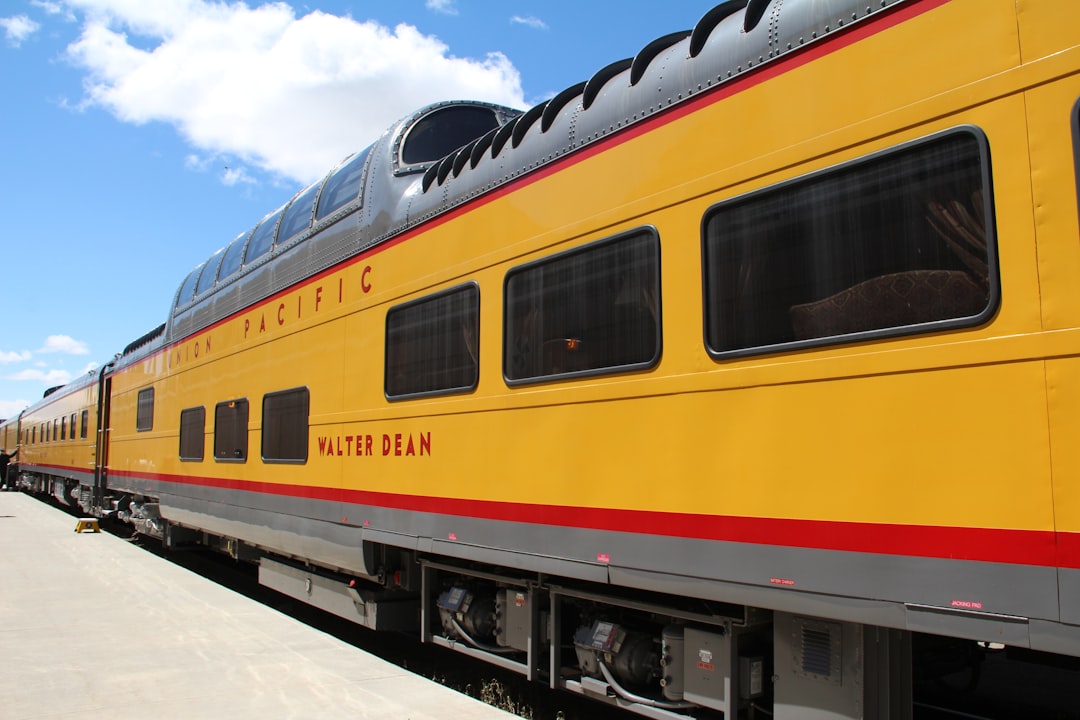
Regulatory Backdrop: STB Pauses Review
The debate surrounding the union pacific norfolk southern megamerger took a fresh turn on May 28, 2026, when the Surface Transportation Board confirmed it had received a revised application but halted the review to ask for more information. The move injects regulatory tail risk for Norfolk Southern investors, while Union Pacific’s operating profile keeps a clearer path to durability in a crowded freight market. With the deal valued around 85 billion in enterprise value and an implied equity value near 320 per share, the transaction remains the most consequential rail consolidation in U.S. history.
Market watchers say the pause shifts the focus from a near‑term approval timeline to scrutiny of network synergies, capital discipline, and post‑merger integration risk. A regulator‑led delay caps any short‑term uplift in NSC shares and creates a holding pattern for both names as executives map out contingency plans. As one analyst put it, this pause is a reminder that the regulatory clock can dislodge even the strongest growth thesis in the Midwest and beyond.
The Operating Pulse: First Quarter Signals
Union Pacific reported a robust start to the year, underscoring why investors may lean toward the efficiency side of the megamerger. The company posted adjusted earnings per share of 2.93 on about 6.22 billion dollars in revenue, with an adjusted operating ratio measured at 59.9%. The mix of strengths was clear: coal and renewable energy shipments rose roughly 17%, grain volumes climbed 11%, and fertilizer moved 12% higher year over year. Intermodal, however, slipped by about 6% as consumer demand remained uneven across ports and inland routes. Management highlighted a push to shorten terminal dwell times, a critical lever for network throughput, though the latest figure showed dwell at a record 19.7 hours in the quarter.
Norfolk Southern also reported earnings momentum, but its setup was more mixed. The company delivered adjusted EPS in the low 2s range for the period, with revenue totaling under the 6‑billion mark as intermodal and certain automotive segments faced softer demand. The eastern network continued to guide results, yet the stock faced scrutiny over the merger’s potential to dilute near‑term pricing power and prolong capital allocation cycles. Analysts cautioned that regulatory delays could extend the timeline to realize any sizable synergy benefit from the post‑merger network redesign.
Investor Takeaways: Which Side Feels Safer Now
For the average retirement‑savvy investor, the cleaner risk profile still appears to tilt toward the operator with superior network productivity. Union Pacific’s advanced efficiency, if sustained, could compound returns even in a slower freight cycle, while the regulatory overhang on the union pacific norfolk southern megamerger weighs on NSC’s multiple and optionality. In a cautious market environment, owning the side with clearer cost discipline and faster cash conversion often beats chasing a potentially delayed payoff that hinges on regulatory approval.
Analysts widely note that the value proposition of union pacific norfolk southern depends on two uncertain variables: how quickly a post‑merger network can unlock real synergies, and how patient regulators will be about integration risk and antitrust considerations. A veteran rail strategist observed: ‘This pause adds regulatory risk for Norfolk Southern, while Union Pacific’s efficiency footprint remains a meaningful, near‑term driver of value.’ The same observer added that the market will likely reward clarity on the integration timetable and capital allocation discipline more than a hopeful path to immediate synergies.
The evolving regulatory stance is shaping how investors think about rail exposure in a diversified equity sleeve. Those leaning toward a core rail position may favor Union Pacific for the steadier cash flow engine and tighter operating metrics. By contrast, investors seeking optionality or a potential catalyst tied to regulatory resolution could view Norfolk Southern as a leveraged bet on the reopening of the merger process and eventual operational gains.
With the STB review in limbo, risk management becomes crucial. Portfolio tilts toward quality earnings, balance sheet resilience, and clear stream of free cash flow may outperform in a scenario where the regulatory clock remains a wild card. Market participants should watch for any updated guidance on capex plans, terminal modernization, and network optimization efforts that could accelerate integration benefits once the merger sails through full scrutiny.
What to Watch Next
- Regulatory updates: Any official STB motion or information requests will be the market’s primary driver of direction for both stocks.
- Synergy realization: Investors will want to see credible plans for network unification, slots optimization, and intermodal efficiencies.
- Capital allocation: Changes to dividend policy, buybacks, and debt management will signal management’s confidence in post‑merger earnings power.
- Macro freight backdrop: Demand shifts from consumer spending, manufacturing activity, and energy markets could magnify or mute the benefits of scale.
Bottom Line: 2 Ways to Think About the Union Pacific Norfolk Southern Debate
First, a practical, risk‑adjusted approach favors the leader in operating efficiency. The Union Pacific side of the equation has demonstrated faster throughput gains and stronger cost control, which could translate into steadier cash flow regardless of regulatory timing. Second, the regulatory path remains the swing factor. The union pacific norfolk southern megamerger is not simply a price‑premium story; it’s a multi‑year bet on regulatory clearance and the timing of network integration. If you can tolerate the wait for clarity, the upside remains intact; if not, a focus on UP’s operational performance could be the safer anchor in today’s market.
Key Data at a Glance
- Megamerger value: about 85 billion in enterprise value; implied equity near 320 per share
- STB status: revised application received; review paused for additional information as of May 28, 2026
- Union Pacific (UP) Q1: adjusted EPS 2.93; revenue 6.22B; adjusted OIR 59.9%
- UP growth drivers: coal and renewables +17%, grain +11%, fertilizer +12%; intermodal −6%
- UP operational metric: terminal dwell at 19.7 hours (record)
- Norfolk Southern (NSC) Q1: adjusted EPS around 2.65; revenue near 5.8–5.9B; mixed mix by segment
- Comparative risk: regulatory delay risk vs synergies timing risk
The union pacific norfolk southern story remains one of the most watched themes in transportation and investing this year. As markets digest the regulatory pause and the companies report fresh operating data, investors will be asked to balance a robust efficiency narrative against a legal and procedural maze. The ultimate verdict will hinge less on today’s numbers and more on the clarity and speed of the regulatory process and how quickly the merged network can translate efficiency into durable earnings.
Discussion