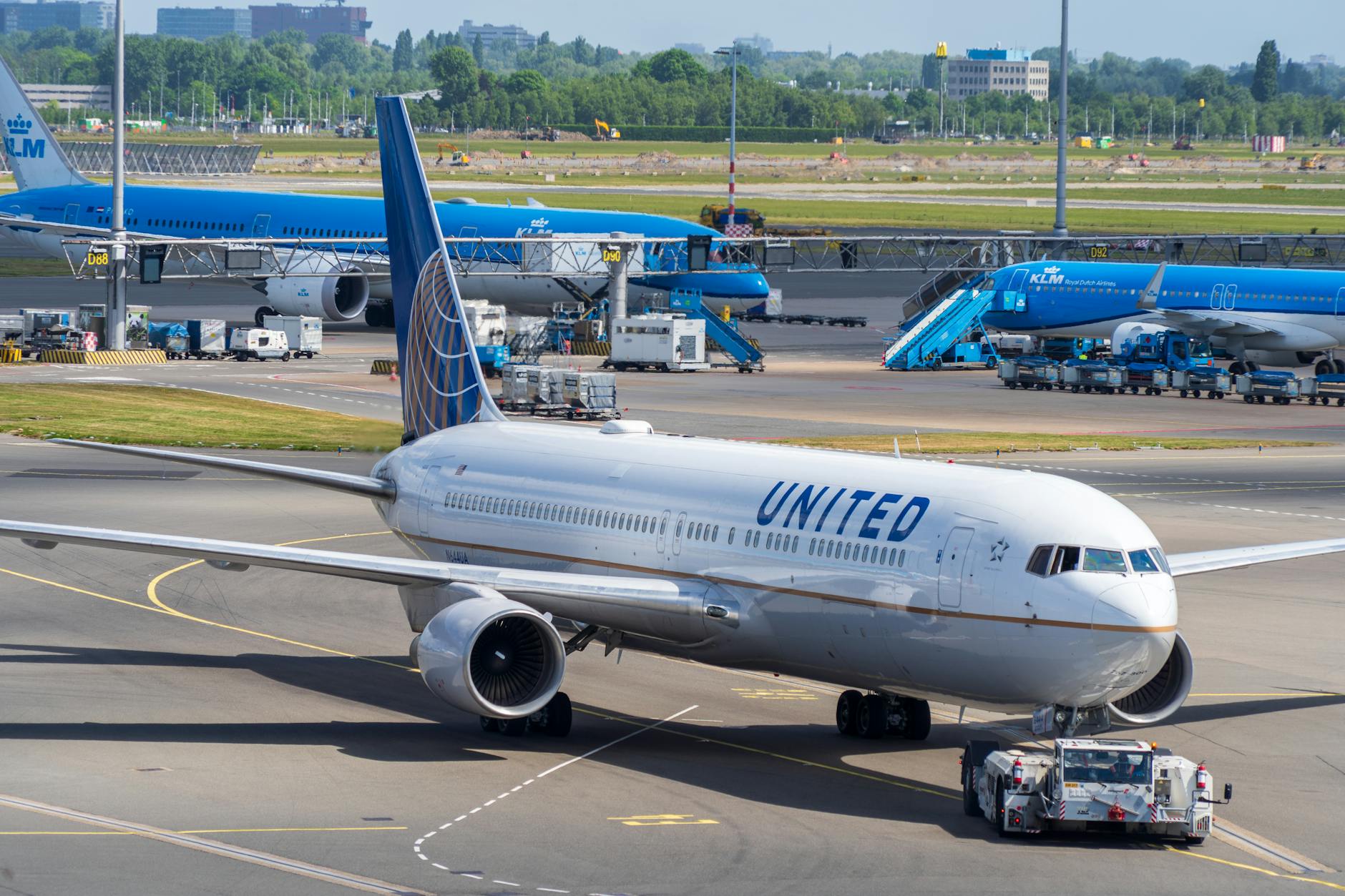
Breaking News: United Reserves Its Best Loyalty Perks for Cardholders
As of February 19, 2026, United Airlines has announced a sweeping change to its loyalty program. The airline said the most valuable perks will now be concentrated among customers who hold United’s co-branded credit or debit cards. In practical terms, this move ties the highest-reward experiences to card usage, elevating the stakes for travelers who want the strongest loyalty benefits. The policy aims to align rewards with spending and broaden the company’s card portfolio amid intensifying competition in air travel and credit-card partnerships.
For members outside the card ecosystem, the news signals a shift away from wholesale access to peak loyalty advantages. The company says this approach preserves value for its most committed spenders while steering loyalty economics toward revenue streams that accompany card programs. “This is about aligning loyalty rewards with card usage,” a United spokesperson said, adding that the change is designed to streamline benefits and strengthen partnership economics.
What Is Changing and Why It Matters
The core element United highlighted is a potentially dramatic increase in miles earned for cardholders. Specifically, customers with United’s co-branded cards will be able to accumulate up to twice as many miles per dollar compared with non-cardholders. That differential is designed to reward heavier spenders and encourage broader card adoption among United’s base of loyal travelers. While the exact earning scales can vary by card tier and fare class, the direction is clear: loyalty returns will tilt toward cardholders who contribute the most revenue through the airline’s partner card portfolio.
- Miles earning: Cardholders may see up to double the mile accrual on eligible purchases versus non-cardholders.
- Status and upgrades: Priority upgrade access and enhanced seat availability will be flagged for cardholders on select fares, subject to fare rules and inventory.
- Redemption access: Redemptions tied to peak travel windows and popular routes may favor cardholder accounts, with non-cardholders facing standard constraints.
Investor and Market Implications
From an investing perspective, the shift reframes how United monetizes loyalty. By tying the strongest rewards to cardholder status, United could increase revenue from co-branded card programs and balance sheet stability through predictable card-fee income. Analysts say the move may help United de-emphasize episodic loyalty spikes tied to non-cardholders, creating a more durable revenue stream tied to card partnerships. Still, the change could dampen near-term engagement for non-cardholders, potentially affecting travel volume and ancillary purchases if the non-cardholder cohort feels less reason to chase miles aggressively.

Market observers note that loyalty programs have become a battleground for airline profitability. The United policy complements broader industry trends that reward card spend with accelerated mileage and exclusive benefits. Investors will want to monitor metrics such as card-portfolio revenue, annual fees, and acceptance of co-branded cards among high-spending travelers. United’s executives say the overall loyalty program remains a cornerstone of brand value, even as rewards shift toward cardholders.
How This Affects Travelers
For many travelers, the question is simple: is the card worth it? The answer depends on how often you fly United and how much you charge to the card. Cardholders who routinely purchase premium fares or travel in business class may reap the most value from boosted earning and expedited upgrades. Casual travelers, basic economy flyers, or those who rarely use United’s co-branded cards could find the standard loyalty structure less lucrative than before.
United’s decision underscores a broader industry move: loyalty programs increasingly favor customers who attach regular card spend to airline revenue. For consumers, this means evaluating the total cost of card ownership, including annual fees, interest rates, and potential welcome bonuses, against the incremental miles and upgrade opportunities you actually use. The company reiterated that the changes aim to improve long-term profitability while offering meaningful perks for cardholders who stay engaged with United’s card ecosystem.
What Travelers Should Consider
As you weigh whether to apply for one of United’s co-branded cards, consider these factors:
- Annual fee vs. earned value: Higher-tier cards may offer richer mile accrual and upgrade access, but come with steeper annual fees. Assess whether your flight frequency justifies the cost.
- Spending patterns: If you spend heavily on travel and everyday purchases, the up-to-twox miles benefit could be game-changing for your loyalty balance.
- Upgrade reliability: Cardholder priority upgrades can translate into real time savings on seat upgrades, subject to fare class and inventory.
- Partner networks: Cardholder perks may extend to partner airlines, hotels, and lounges, amplifying the value of staying within the United ecosystem.
Timeline and Next Steps
The rollout will unfold over the coming quarters, with cardholders gradually gaining access to enhanced earning and upgrade features as systems are updated. United said the transition will be phased to minimize disruption for current travelers while maximizing the impact of cardholder-centric perks. The company expects full implementation by the end of the current fiscal year, with ongoing refinements based on consumer feedback and travel demand.
For investors watching the card program’s economics, the key questions are how much incremental revenue United can capture from card fees and how much of the loyalty churn it can offset by delivering meaningful, cardholder-only advantages. If the program strengthens the profitability of its card portfolio without eroding broader loyalty engagement, the change could be viewed positively in the longer run. If, however, non-cardholders retreat from loyalty participation, United may need to adjust marketing or tier thresholds to maintain overall program vitality.
Bottom Line: United Airlines’ Best Loyalty Is Now Cardholder-Centered
The move to reserve united airlines’ best loyalty perks for cardholders signals a clear pivot in how United monetizes loyalty. The up-to-twofold earning potential for cardholders is the headline change, but the broader impact will hinge on how well the airline can balance cardholder value with the needs and expectations of non-cardholders. For travelers, it’s a call to reassess how you earn miles and where you place your loyalty bets in a crowded airline landscape. For investors, this is a test of whether United can translate intensified card program economics into sustainable profitability.
Key Takeaways for Readers
- Cardholders can earn up to twice as many miles per dollar as non-cardholders, according to United.
- Top loyalty perks will be concentrated among cardholder accounts, with upgrades and seat access tailored to card usage.
- The change aims to strengthen the airline’s card portfolio and create more predictable loyalty revenue, a trend worth watching for investors in the travel and payments ecosystems.
As the industry adjusts to loyalty structures that tie rewards to card spend, the question remains: is the united airlines’ best loyalty truly best for every traveler, or only for those who carry the right card? The answer may depend on your flying frequency, your willingness to pay for premium perks, and your appetite for the evolving world of airline-to-card loyalty programs.
Discussion