Introduction: Hooking Your Money To A Reliable Stream
In a world of market swings and uncertain interest rates, investors who want durable dividend income often look for steadiness over flashy gains. The idea is simple: generate a steady cash flow that can outpace inflation, year after year, even when the economy hits a rough patch. If you want durable dividend income, you don’t chase the hottest name. You chase predictable cash flows, prudent balance sheets, and long-term contracts that lock in revenue. This guide walks you through practical steps, real-world examples, and actionable tips to build a portfolio that can deliver reliable income for decades.
What “Durable Dividend Income” Really Means
Durable dividend income describes a dividend stream that continues to grow or stay steady, regardless of short-term market noise. Think of it as a long-distance income marathon rather than a sprint. Stocks that typically offer this durability come from sectors with predictable revenue: regulated utilities, energy infrastructure (especially midstream pipelines), and certain consumer staples. The common thread is resilience: contracts that generate fee-based revenue, regulated rates that smooth earnings, and capital structures designed to withstand economic stress.
Why Energy Infrastructure Often Delivers Stable Payouts
Energy infrastructure companies—especially pipeline operators and other midstream players—have a reputation for steady payouts. Why? They rely heavily on fee-based or regulated revenue streams rather than commodity prices. A pipeline transports oil and gas as long as there’s demand, and the agreements to move product are largely time-based rather than price-based. This structure can shield distributions from wild swings in energy prices and help support a dependable dividend profile over time.
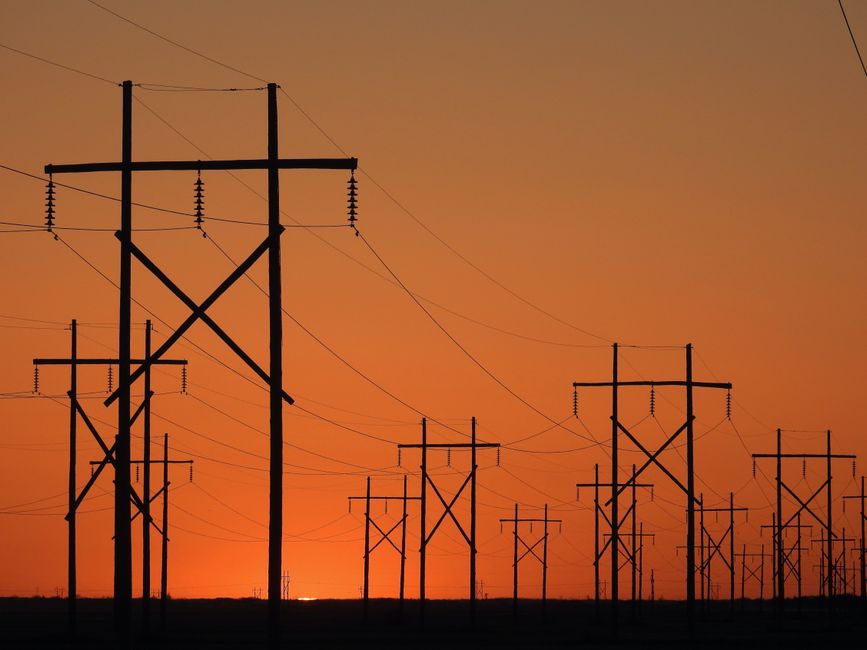
That said, no sector is risk-free. Infrastructure investments face capital intensity, regulatory risk, and debt sensitivity to interest rates. The key is balancing those risks with durable cash flow, a robust balance sheet, and a disciplined payout policy. If you want durable dividend income, you’ll want to see the following in any candidate:
- High and sustainable cash-flow coverage of the dividend (even in a down cycle)
- A payout ratio that leaves room for maintenance and growth
- Long-term, fee-based or regulated revenue streams
- Moderate leverage and strong interest coverage
- Diversified asset base and resilient demand drivers
How to Screen For Durable Dividend Income Stocks
If you want durable dividend income, a careful screening process matters more than chasing a spectacular yield. Here’s a practical framework you can apply in minutes each quarter.
1) Prioritize Cash-Flow Coverage
Look for a cash flow cushion: the company’s funds from operations or free cash flow should comfortably cover the dividend. A common rule of thumb is a coverage ratio above 1.2x during average market conditions. In stressed periods, you want it to stay above 1.0x.
- Target: FCF/dividend > 1.2x
- Check trend: is the ratio stable or improving over 3–5 years?
2) Read the Payout Policy Clearly
A sustainable payout policy explains how management plans to keep distributions stable and where dividends may grow. Look for: a formal dividend policy, a track record of modest increases, and explicit statements about capital allocation priorities (debt reduction, maintenance capex, growth projects).
- Payout ratio: traditional infrastructure players often keep it in the 60–80% range
- Maintenance capex: ensure it’s not cannibalizing cash flow available for dividends
3) Favor Fee-Based Or Regulated Revenue Models
Companies with stable revenue tend to deliver more durable dividends. In energy infrastructure, fee-based revenue (like throughput fees) or regulated returns create consistency, even when commodity prices wobble.
- Contracted volumes and take-or-pay arrangements are a plus
- Regulatory frameworks that set predictable returns can cushion earnings
4) Assess Balance Sheet Health
Debt levels, maturity schedules, and interest coverage matter. You want a company with manageable leverage and the ability to refinance or fund maintenance without pulling dividends back.
- Debt/EBITDA in a comfortable band (often cited as below 3.5x for many infra firms)
- Interest coverage ratio above 3x in stressed scenarios
5) Examine Growth and Diversification
Durability isn’t just about today’s payout. Look for opportunities to grow distributable cash flow (via expansion projects or acquisitions) without sacrificing current income. Diversified asset bases reduce risks tied to a single commodity or region.
- Geographic diversification can reduce regulatory or political risk
- Asset portfolio breadth lowers sensitivity to a single market cycle
Putting It Into Practice: A Real-World Framework
Below is a practical approach you can apply with a hypothetical budget of $50,000. The goal is to assemble a diversified, durable dividend income backbone in energy infrastructure, with an eye toward stability and manageable risk.
Step 1: Set Clear Income Targets
Suppose you want to generate about $2,500 per year in after-tax income from this portion of your portfolio, with room to grow over time. If you aim for a 5% yield, you’d look at a total investment around $50,000 (before taxes and fees). Keep in mind that real-world yields vary with price; a targeted range of 4–6% is a practical starting point for durable income stocks in this space.
Step 2: Build a Small, Diversified Core
Choose 2–3 names with established payout records and resilient cash flows. For example, you might consider a leading long-standing pipeline operator, a utility-like infrastructure company, and a growth-focused, cash-flow-positive partner in the midstream network. The mix should emphasize cash flow durability, not just high yield.
- Stock A: A large, diversified pipeline operator with fee-based revenue and a long history of dividend support.
- Stock B: A utility-adjacent infrastructure company with regulated returns and strong balance sheet discipline.
- Stock C: A midstream partner with growth through simple, fee-based projects and conservative leverage.
With $50,000, an equal-weight approach (roughly $16,700 per stock) keeps you from overconcentrating in any one name while giving each the room to contribute to durable income.
Step 3: Monitor And Rebalance Annually
Set a yearly review to check cash-flow coverage, payout policy, and debt levels. If a stock’s coverage ratio slips below 1.1x for two consecutive years, consider trimming or replacing it with a more durable alternative. Keep an eye on systemic rate moves; rising rates can compress dividend yields by pushing up stock prices, which can impact income if not managed.
Step 4: Tax Considerations And Account Types
Many energy infrastructure investments come with specific tax considerations. Traditional MLPs (master limited partnerships) pass through income and may file K-1s, which can complicate taxes at higher marginal rates. Corporate-structured peers typically simplify tax reporting. If you want to simplify tax outcomes while pursuing durable income, consider a mix of corporate entities and tax-advantaged accounts (like a Roth IRA or a traditional IRA) where appropriate, and consult a tax advisor.
Risks To Consider If You Want Durable Dividend Income
No investment is risk-free, and energy infrastructure is no exception. Here are the main headwinds to watch as you pursue a durable dividend income:
- Interest-rate sensitivity: Higher rates can pressure valuations and increase refinancing costs.
- Regulatory changes: Policy shifts can affect regulated returns or capex requirements.
- Debt levels: Highly leveraged balance sheets may force dividend cuts if cash flow weakens.
- Volume and demand risk: While fee-based revenue cushions this, severe demand downturns can still impact cash flow.
To mitigate these risks, diversify across asset types within energy infrastructure, maintain a cautious payout policy, and keep a liquidity buffer to weather rate or macro shocks.
Real-Life Scenarios: How It Plays Out Over Time
Consider two investors with different horizons but the same goal: a reliable stream of income from durable dividend stocks in energy infrastructure.
- Scenario A: Investor A starts with $60,000, splits evenly among three diversified infra stocks, and sticks to a quarterly review. Over 10 years, dividends rise modestly as cash flow grows with asset expansion. The result is a steadily increasing annual income that outpaces inflation, with relatively low price volatility.
- Scenario B: Investor B starts with $30,000, concentrates in a single large pipeline operator, and then adds a second stock after three years. While concentration risk is higher, the plan includes reinvestment during price dips, boosting long-term income through compounding. The key is to avoid overextending on one name and to monitor payout coverage closely.
Compounding Through Reinvested Dividends
One powerful way to accelerate durable dividend income is dividend reinvestment. When you reinvest distributions, you buy more shares at regular intervals, compounding your future cash flow. This approach can help you grow the dividend stream even if you start with a modest initial investment. If your goal is long-lasting payouts, reinvestment can stretch your dollars farther and reduce the risk of short-term timing mistakes.
Frequently Asked Questions
Q1: What makes a dividend durable in the energy sector?
A durable dividend typically rests on stable, fee-based or regulated cash flow, conservative payout ratios, and a balanced capital structure. It’s supported by long-term contracts, diversified asset bases, and disciplined capital allocation that prioritizes maintenance and growth without sacrificing current income.
Q2: Is energy infrastructure a safe place for beginners seeking income?
Energy infrastructure can be a solid choice for income-focused investors, but it’s not risk-free. Beginners should start with well-established, diversified operators with transparent payout policies and strong balance sheets. Diversification across a few different infra segments helps reduce single-stock risk.
Q3: How much yield should I expect from a durable dividend stock in this space?
Yields in energy infrastructure historically sit in a range that isn’t as high as some high-yield sectors, but offers steadier cash flow. A practical target for durable income investors is about 4–6% yield with the potential for modest growth over time, depending on price movements and payout policy.
Q4: How often should I rebalance a durable dividend income portfolio?
Aim for an annual review. Rebalance if cash-flow coverage slips, payout ratios creep toward uncomfortable levels, or leverage rises beyond your comfort. During market stress, you may also recheck diversification to ensure you’re not overly exposed to one asset or region.
Conclusion: A Plan You Can Implement
If you want durable dividend income that can endure through different market cycles, you’ll need a plan grounded in cash flow, prudent policy, and disciplined risk management. Energy infrastructure—especially midstream pipelines with fee-based revenue and regulated returns—offers a compelling framework for this kind of income. By screening for durable payout coverage, understanding payout policies, and maintaining a diversified, balanced portfolio, you place yourself on a path toward reliable income that can last for decades. Remember, the goal isn’t a single year of high yield; it’s a steady, growing stream you can count on, even when headlines swing from bullish to bearish.
Discussion