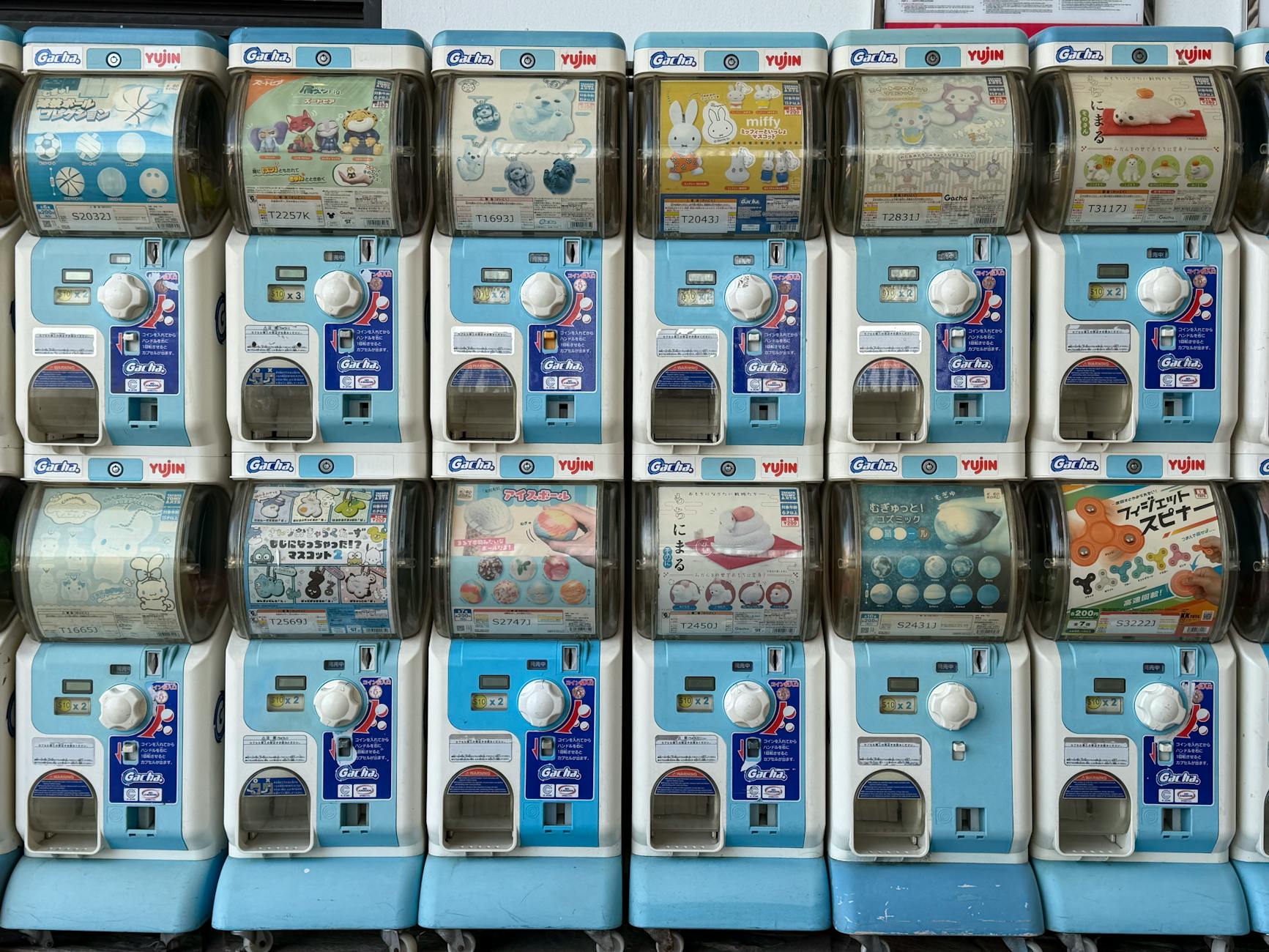
As of May 2026, aspiring vending machine operators are recalibrating their plans in a market where upfront costs have climbed and lenders tighten criteria. A growing body of data shows that bringing a single machine to life commonly requires roughly $3,500 in upfront investment, with cash flow often taking longer to materialize than in the past. For readers who want start vending machine ventures, the math is non-negotiable: cash in the bank remains a bigger driver of profitability than financing via debt.
This year’s numbers come from a mix of operator surveys, supplier pricing, and regional snapshots. While some young entrants chase rapid scale, industry voices warn that debt financing can silently erode per-unit margins long before the first sale is rung up. The takeaway is simple: plan carefully, preserve liquidity, and test the idea before swiping a payment card at the register of your new business.
Startup Costs Evolve With Technology
Technology has become the leading driver of upfront spend in the vending space. Modern machines pair refrigeration with energy efficiency, touchless payment readers, and remote monitoring — features that boost sales potential but raise the initial price tag. The cost range you’ll see for a refrigerated, card-enabled unit generally sits between $2,800 and $4,800, depending on capacity and brand.
- Equipment: $2,800–$4,800 for a refrigerated, cashless model
- Cashless and connectivity add-ons: $250–$900
- Legal setup (LLC, filings): $120–$250
- Initial inventory (snacks/drinks): $150–$500
- Insurance and miscellaneous: $200–$400
- Contingency/maintenance reserve: $200–$500
Beyond the machine itself, many operators invest in planograms, supplier terms, and kitting that reflects local demand. A strong product mix and smart location selection can push margins higher, but the upfront ticket remains a hurdle. If you want start vending machine ventures, you must factor in both the base price and the ongoing costs that keep a unit running smoothly from month to month.
Cash vs Debt: The Hidden Cost of Financing
Financing a vending machine with a credit line or card can seem attractive for speed, yet it comes with a real price: interest that accrues from day one and compresses the window to profitability. In a business where margins are thin and turnover is variable, even a modest APR can shave weeks or months off the time to break even.
“Cash reserves act as a safety valve and a speed booster for the first six to twelve months,” says Elena Park, a small-business advisor who works with local operators. “If you want start vending machine ventures on solid footing, you should assume that revenue won’t appear evenly every day, and plan accordingly.”
Typical consumer-facing margins on vending items hover in the mid-teens to low double digits after costs such as product, service, and maintenance. With debt, those margins can shrink quickly, even as a unit’s price per item climbs. For a single machine, carrying $3,500 in debt at a 20% annual rate translates into hundreds of dollars in annual interest that would otherwise be redirected toward replenishment or marketing.
Market Realities in 2026: A Landscape of Change
The market environment for vending is shifting on several fronts. Cashless payments are now mainstream, but competition for prime locations remains fierce, pushing operators to optimize product mix and service schedules. Inflation has nudged average item costs higher, while consumer expectations for freshness and healthier options force frequent inventory updates.
- Cashless adoption among new units: roughly 75%–85% accept card or mobile pay in more markets
- Average per-item margin (after costs): roughly 18%–38% depending on product mix
- Turnover expectations: 15–30 transactions per day on standard routes, higher in high-traffic locations
- Location strategy: the strongest returns come from partnership with businesses that guarantee steady foot traffic
Operators who want start vending machine ventures should also plan for maintenance windows, remote monitoring subscriptions, and occasional restocking trips. A well-timed upgrade to a more efficient unit can pay for itself in reduced energy costs and fewer service calls, but it adds to the initial capex. The bottom line in 2026 is simple: automate where you can, but keep liquidity ready for the unpredictable realities of daily sales.
A Practical Roadmap For Those Who Want Start Vending Machine Ventures
- Define a narrow product strategy and target location before buying any machine.
- Select a unit that balances price, capacity, and cashless capability; budget for maintenance.
- Secure a source of working capital with a plan for debt repayment if you choose to borrow.
- File the proper business entity (LLC or equivalent) and obtain basic insurance.
- Build a small, replenishable inventory while you test demand and pricing.
- Set a break-even timeline with conservative revenue forecasts and a reserve fund for six months of operating expenses.
- Develop a location pipeline and a service routine to minimize downtime.
- Track metrics obsessively: daily sales, per-item margin, and fill-rate to optimize profitability.
For readers who want start vending machine ventures, the goal is to prove the concept on a tight budget and then scale only after cash flow proves sustainable. Pilot programs in a handful of low-risk locations can reveal demand patterns without saddling a new business with heavy debt in month one.

Conclusion: The Math Hasn’t Changed — Liquidity Still Wins
The current data set reinforces a timeless truth for small business: avoid debt when the margin profile is thin and the revenue stream is uncertain. The decision to save cash up front or finance through a credit line doesn’t just affect a balance sheet; it directly shapes how soon you are profitable and how resilient you remain in a volatile market.
For readers who want start vending machine ventures, the most prudent path combines disciplined budgeting with careful equipment selection and a clear plan for cash reserves. In a field where the first six to twelve months test your assumptions, liquidity isn’t a luxury — it’s a strategic asset that can turn a garage-side project into a repeatable, scalable business. A cautious, cash-first approach could be the difference between a modest side hustle and a durable, recurring revenue stream.
Discussion