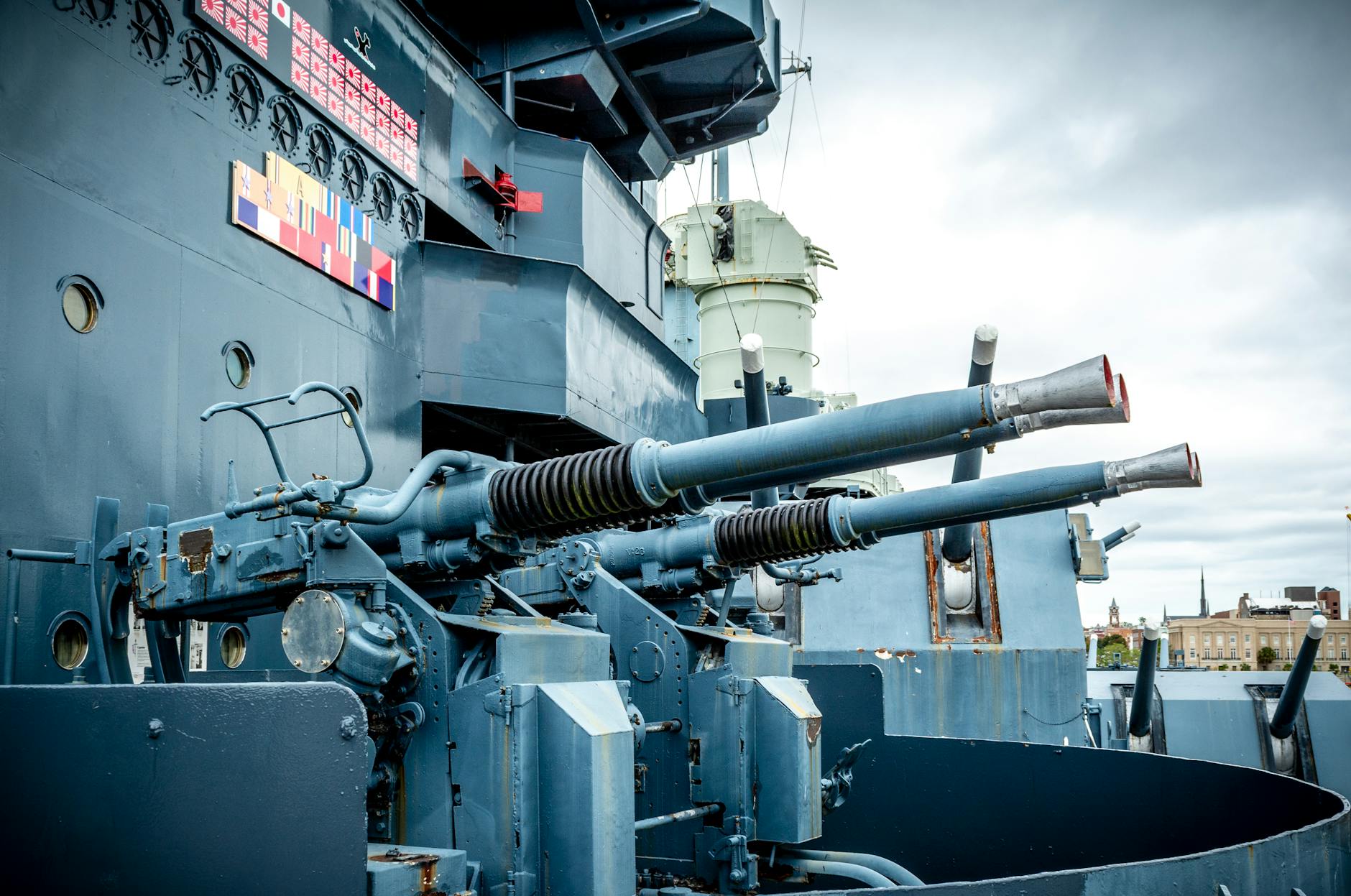
Hormuz Front and Center for Global Markets
The Strait of Hormuz has returned to the front lines of global energy security in March 2026. Officials across Washington, London, Paris, and regional capitals warn that even a short disruption could ripple through oil prices, shipping insurance, and the stock market. In practical terms, roughly a fifth to nearly a third of seaborne crude trades pass through Hormuz, making it one of the most consequential chokepoints on the planet.
Investors are not waiting for a full-blown conflict to price in risk. Oil benchmarks have moved on days of heightened naval activity, and defense stocks have found a fresh bid as markets weigh the odds of sustained tension versus the odds of de-escalation. The focus for traders and portfolio managers is simple: how to position for the next phase of security dynamics in the Persian Gulf.
What the warships that could dominate Hormuz Look Like
The phrase warships that could dominate Hormuz captures a difficult balance: power projection in tight waters, anti-mine and anti-swarm capability, and the ability to defend high-value re-supply routes. In practice, that balance translates into a mix of large, multi-mission destroyers, capable frigates, and specialized mine-countermeasure ships. The goal is to control sea lanes while staying secure against rapid, asymmetric threats from fast attack boats and missiles that Iran and allied formations may deploy.
Key ship types that analysts flag as the backbone of a dominant Hormuz posture include:
- Air-defense and sea-control destroyers built to operate in close proximity to landlines and shipping lanes.
- Frigates with integrated combat systems designed for multi-midelity threats and extended endurance in littoral zones.
- Mine-countermeasure vessels that can keep channels open under counter-mine threat, a critical capability in narrow seas.
Experts also point to allied fleets that complement U.S. power, including ornate destroyers, advanced frigates, and corvettes from regional partners—craft that can secure convoy routes, escort commerce, and deter swarming attacks. The practical upshot for markets is a spectrum of defense exposure, not a single weapon system, as investors weigh how these ships translate into risk pricing for energy supply and regional stability.
Global players and regional contributors
The Hormuz dynamic is a coalition story. The United States leads with a carrier- and destroyer-led framework supported by mine-sweeping and patrol assets. The United Kingdom contributes its highly capable Type 45 destroyers, and European powers operate FREMM-class frigates and other escort vessels to maintain sea lane protection. Regional allies—Israel, Saudi Arabia, the United Arab Emirates, and others—bring a mix of fast interceptors, corvettes, and patrol ships that can operate in the same theater, creating a layered perimeter around the Strait.
In this setting, the warships that could dominate Hormuz are not just about one flagship, but about a network of platforms that can interdict threats before they reach vulnerable chokepoints. The result is a diversified naval posture that complicates any attempt to disrupt traffic and raises the cost of aggression for potential aggressors. For investors, this translates into a persistent, albeit nuanced, demand driver for defense-related equities and related exchange-traded funds.
Market takeaway: how investors are pricing the risk
As tensions rise in the Persian Gulf, markets tend to reprioritize risk models. Energy-focused equities face a tug-of-war between higher oil price scenarios and the potential for supply resilience thanks to a robust naval escort network. Defense-focused equities, meanwhile, tend to outperform when geopolitical risk remains elevated, as investors seek the potential for steady demand, contract wins, and diversification away from purely energy bets.
Recent price action suggests traders are pricing in several elements: a higher insurance premium for tankers, potential spikes in crude and product prices, and a longer period of elevated volatility in the oil and defense corridors. Analysts caution that the market path will hinge on incident risk, diplomatic progress, and the pace of coalition operations in the Gulf—factors that change by the day in March 2026.
Stocks and ETFs to watch in this regime
Defense-focused equities and funds are among the clearest beneficiaries when the market recalibrates to a Hormuz-driven risk theme. Investors are watching for:
- Shifts in defense contractor earnings as higher navy spending cycles unfold.
- Rising demand for mine-countermeasure capabilities and anti-swarm technologies.
- Naval core suppliers—surface ships, sensors, and combat systems—leading to more resilient orders.
Analysts caution that the exact beneficiaries will depend on contract timing, alliance dynamics, and the pace at which tensions can de-escalate. Still, the enduring takeaway for investors is clear: warships that could dominate Hormuz do more than threaten supply lines; they shape the risk premium around energy, shipping, and security names for the foreseeable future.
What to monitor next
- Naval posture shifts: Any intensification or cooling of naval patrols around Hormuz will instantly affect risk pricing in energy markets.
- Oil price momentum: Brent and WTI moves in response to incidents or diplomatic breakthroughs will set the tone for the broader market narrative.
- Insurance costs for shipping: A sustained increase in tanker insurance premiums signals higher risk premia that ripple through logistics costs.
- Defense contract visibility: Large orders and new platforms announced by U.S. and allied fleets can lift related stocks in the medium term.
For investors, the crucial question remains: can the warships that could dominate Hormuz stabilize the area long enough to sustain a predictable energy flow, or will the risk environment stay volatile? The answer will shape portfolios through the rest of 2026 and into 2027, as markets balance energy security with the potential for broader geopolitical shifts.
Bottom line
The Strait of Hormuz is not just a maritime route; it is a live test of modern naval strategy and global risk management. The warships that could dominate Hormuz embody a strategic balance—strong enough to deter disruption, agile enough to operate in shallow waters, and integrated with regional partners to secure essential commerce. For investors, that balance translates into a recurring theme: defense exposure and energy risk are two sides of the same coin, shaped by how leaders apply naval power to keep sea lanes open. In March 2026, the market narrative remains clear—prepare for volatility, watch the ships, and recognize that today’s headlines could become tomorrow’s stock-market fundamentals as Hormuz continues to define energy security and market sentiment.
Discussion