Introduction: Why This Topic Matters in 2026
Gold has endured as a trusted asset for centuries, prized for its scarcity, physical tangibility, and status as a potential hedge during market stress. In 2026, investors face a mix of inflation concerns, geopolitical tension, and shifting global interest rates. If you’re asking what best gold 2026? strategies look like, you’re not alone. The right approach isn’t about chasing the highest price—it's about aligning gold exposure with your overall plan, risk tolerance, and time horizon. This guide breaks down practical, real-world ways to own gold that go beyond buying coins at a shop or guessing the next price move.
Why Gold Still Matters in 2026
Gold isn’t just a shiny asset; it’s historically used as a store of value and a potential portfolio diversifier. Here are key reasons it remains relevant:
- Inflation hedge potential: When prices rise, real returns on some assets can slip. Gold can help preserve purchasing power if it remains uncorrelated with stocks and bonds.
- Geopolitical risk offset: In times of uncertainty, gold often acts as a safe-haven asset, providing a different risk profile than equities.
- Liquidity and accessibility: Gold is widely traded, with established markets and multiple ways to invest, from physical bars to financial products.
However, the key is to recognize that gold’s value can fluctuate, and its strength as a diversifier depends on your portfolio mix. In 2026, many financial planners emphasize clear goals, cost awareness, and a diversified approach rather than relying on a single vehicle.
Ways to Own Gold in 2026: Options, Costs, and Tradeoffs
There isn’t a one-size-fits-all answer to how to own gold. Each option has its own cost structure, tax implications, and level of convenience. Below are common paths, with real-world considerations.
1) Physical Gold: Bars and Coins
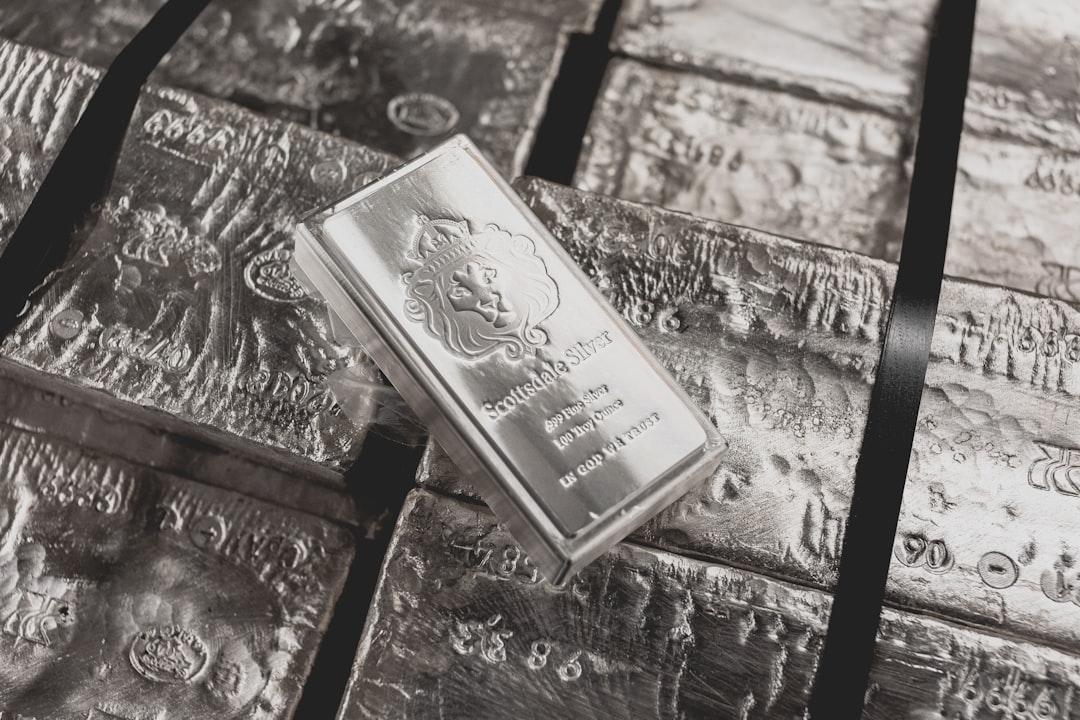
Owning physical gold gives you direct possession. You can buy bars and coins from reputable dealers or through banks. Costs include the premium above the metal’s spot price, storage, and insurance. For example, if the spot price is $2,000 per ounce, a small premium adds to that cost, and secure vault storage may run a few basis points to a small annual percentage of the value.
- Cons: Higher premiums, storage and insurance costs, potential liquidity issues in times of stress.
2) Gold-Backed Exchange-Traded Funds (ETFs) and Mutual Funds
Gold ETFs like SPDR GOLD SHARES (GLD) and similar funds provide exposure to gold without handling physical metal. They’re often designed to track the price of gold closely. Fees are typically expressed as expense ratios; for many gold ETFs, those costs range from about 0.25% to 0.40% annually. ETFs are highly liquid but still rely on the metal’s price movement for returns.
- Pros: Easy to buy/sell, no storage hassles, transparent pricing.
- Cons: Some tracking error, ongoing expense ratio, no ownership of physical gold.
3) Gold Mining Stocks and Funds
Investing in gold mining companies offers exposure to gold prices plus company earnings, which can amplify gains or losses. This approach adds equity risk and operational risk (like labor costs, geopolitical exposure, and mine disruptions). Diversified mining ETFs can help spread risk across several producers.
- Pros: Potential leverage to gold price movements; dividends in some cases.
- Cons: Company-specific risks can dominate performance; not a pure play on gold price.
4) Digital or Tokenized Gold and Gold Savings Programs
Some platforms offer digitized or tokenized gold with how-to access via mobile apps. These options can offer convenience and fractional ownership, but they require careful due diligence on the issuer’s credibility, custody arrangements, and redemption terms.
- Pros: Fractional ownership, easy transfers, flexible minimums.
- Cons: Less regulatory clarity in some markets; counterparty risk with the issuer.
What Is the Best Way To Own Gold in 2026? A Practical Framework
When readers ask what best gold 2026? strategies are, the answer is rarely a single solution. The best approach blends several channels to balance liquidity, costs, and risk. Here’s a practical framework that many investors use:
- Core exposure via a low-cost ETF: A core gold ETF provides straightforward diversification and daily liquidity. Choose one with a long trading history and tight bid-ask spreads.
- Small physical allocation for optionality: A modest allocation to physical gold can be a tangible backup in a crisis, stored securely off-site.
- Selective mining exposure for growth potential: A minor slice in gold mining equities can add upside if gold prices rise and miners improve efficiency.
- Regular rebalancing: Revisit your gold holdings annually to keep your target allocation in line with market moves and life changes.
For many investors, a simple starting point is 5%–8% of the portfolio in gold, with room to adjust based on risk tolerance, time horizon, and macro views. If your portfolio is $100,000, a 5% allocation means $5,000 in gold, and an 8% allocation means $8,000. Over time, you might shift toward 6%–7% as your goals evolve.
Real-World Scenarios: Who Benefits from Different Gold Ownership Paths
People own gold for different reasons. Here are common scenarios to illustrate practical decisions in 2026:
- Conservative retiree: Prioritize liquidity and capital preservation. A 5% allocation to a gold ETF plus a small physical holding can offer downside protection without restricting access to cash.
- Young investor with a long horizon: A broader mix that includes mining stocks for growth potential, alongside a core ETF, can provide upside while maintaining diversification.
- Inflation watch: If inflation shows signs of persistence, maintaining a modest gold position can help dampen real value erosion in other assets.
- Geopolitical risk escalation: Gold often benefits when risk perception increases. A pre-determined allocation allows quick adjustment without overreacting.
In all cases, the answer to what best gold 2026? is not just about exposure but about how the exposure fits into your overall financial health. Consistency and cost discipline tend to pay off over time more reliably than chasing short-term moves.
Cost Considerations and Tax Implications
Costs matter because they eat into returns over time. Here are the main cost buckets to track:
- Purchase premiums: Physical gold usually carries a premium above the spot price that can range from 3% to 8% depending on metal type and market conditions.
- Expense ratios: ETFs and mutual funds charge ongoing fees. A typical gold ETF might cost around 0.25% to 0.40% per year.
- Storage and insurance (physical gold): Expect annual costs of 0.1% to 0.5% of the metal’s value for secure storage.
- Taxes: In the U.S., physical gold is treated as a collectible for tax purposes, potentially taxed at a higher long-term capital gains rate. ETFs and mining stocks are taxed like other securities, with long-term capital gains rules applying if held more than a year.
Smart planning means comparing after-tax, after-fee results across options. If you’re in a higher tax bracket, the tax treatment of physical gold can influence the decision to use more of an ETF route for simplicity and efficiency.
Practical Steps to Implement in 2026
Ready to act? Here’s a step-by-step plan you can adapt today:
- Define your goal: Is gold a hedge, a diversification tool, or a potential source of growth through mining stocks? Your goal shapes your mix.
- Set a target allocation: Start with 5%–8% as a baseline, then rebalance annually.
- Choose a core vehicle: Pick a low-cost gold ETF with high liquidity as your backbone.
- Augment with a physical sleeve (optional): If you want tangibility, add a small physical allocation kept in a secure vault.
- Consider a growth sleeve: A modest allocation to mining stocks can offer upside during gold rallies, but keep it small to manage risk.
- Review costs regularly: Track expense ratios, storage fees, and taxes to minimize drag on returns.
Long-Term Outlook: What to Expect in 2026 and Beyond
Forecasts vary, but most analysts expect gold to trade within a broad range as markets balance inflation, interest rates, and global demand. A reasonable assumption for planning is a potential move between roughly $1,900 and $2,600 per ounce over the next few years, influenced by macro shifts and risk sentiment. Even if prices don’t spike dramatically, owning gold thoughtfully can help smooth risk in a diversified portfolio.
Conclusion: A Thoughtful Path to Owning Gold in 2026
There isn’t a single “best” way to own gold for everyone in 2026. The strongest approach for most investors combines practicality, cost awareness, and a clear purpose for gold within the broader portfolio. Start with a core, low-cost exposure through ETFs, add a measured physical layer if you value tangibility, and consider a small allocation to mining stocks for potential upside. Always align your gold strategy with your life goals, risk tolerance, and tax situation.
Frequently Asked Questions
Q1: What is the best way to own gold in 2026?
A1: For many investors, a balanced mix of a core low-cost gold ETF plus a modest, secure physical allocation and a small exposure to gold mining stocks offers a practical path. This approach blends liquidity, cost control, and potential upside while remaining true to the diversification goal.
Q2: Are gold ETFs a good long-term hedge?
A2: Gold ETFs can be a convenient way to gain exposure, but their effectiveness as a long-term hedge depends on market conditions. They provide liquidity and avoid storage hassles, but they track the metal’s price rather than delivering physical ownership or dividend income.
Q3: How much of a portfolio should be in gold?
A3: A common starting point is 5%–8% of the portfolio, adjusted based on risk tolerance and market outlook. More aggressive investors might stretch to 10%, while more conservative ones stay closer to 5%.
Q4: What about taxes when owning gold?
A4: Taxes vary by ownership type. Physical gold is typically treated as a collectible for tax purposes in the United States, which can affect long-term capital gains taxes. ETFs and mining stocks are taxed like other securities. Consult a tax professional for personalized guidance.
Q5: Is there a risk in owning gold?
A5: Yes. Gold can price-tend in cycles, and its performance is not guaranteed. Costs, liquidity, and the specific vehicle you choose influence overall returns. A disciplined plan with defined goals tends to outperform speculative bets.
Discussion