
What Different Types Futures Mean for Investors Today
Futures markets are moving in step with headlines on oil, inflation, and global supply routes. In June 2026, traders are weighing the latest oil dispatches and macro data as they position across a spectrum of futures. For many readers, the question often boils down to what different types futures actually represent and how each could fit their risk profile. This piece explains the five broad categories, the key contract details, and how investors can think about them in a fast-moving market.
What Are Futures Contracts?
At its core, a futures contract is an agreement today to buy or sell an asset at a set price on a future date. The payoff is settled in cash or by taking delivery of the underlying asset. The terms are standardized by exchanges, so a contract on one exchange behaves similarly to its peers in terms of margin requirements and settlement dates.
Across all types, the essential differences are the underlying asset, the contract size, settlement rules, and who tends to trade. Traders range from commercial hedgers to speculative funds, but every contract shares the same basic structure: price today, delivery later, and a mechanism to transfer value if prices move.
The Five Main Categories of Futures
Futures markets are organized into five broad families. Each category serves different strategies, from hedging to directional bets. The current environment—where oil volatility, inflation expectations, and currency moves are in play—highlights how diverse these instruments can be.
Below are the five major groups, with the assets and typical uses you’ll see in markets this year.
- Commodity futures cover physical goods such as energy, metals, and agricultural products. They’re the oldest futures segment and remain highly active when supply concerns or weather patterns drive prices. In recent weeks, crude oil futures have captured headlines as traders weigh supply risks around key shipping routes.
- Stock index futures track the value of broad equity benchmarks, including the S&P 500, Nasdaq-100, and Dow Jones. These contracts are popular for hedging stock portfolios or making directional bets on the overall market.
- Currency futures are standardized bets on exchange rates. They’re used by corporations and investors to manage FX risk and speculate on moves in major currency pairs.
- Interest rate futures derive value from expectations for interest rates and government yields. Traders use them to hedge duration risk or to express views on monetary policy cycles.
- Cryptocurrency futures offer exposure to digital assets like Bitcoin and Ethereum via regulated futures markets. They’re an option for traders who want leveraged exposure without handling the actual coins.
Commodity Futures: Energy, Metals, and Agriculture
Commodity futures are the backbone of price discovery for physical goods. They’re widely used by producers, refiners, manufacturers, and investors seeking exposure to supply and demand dynamics.
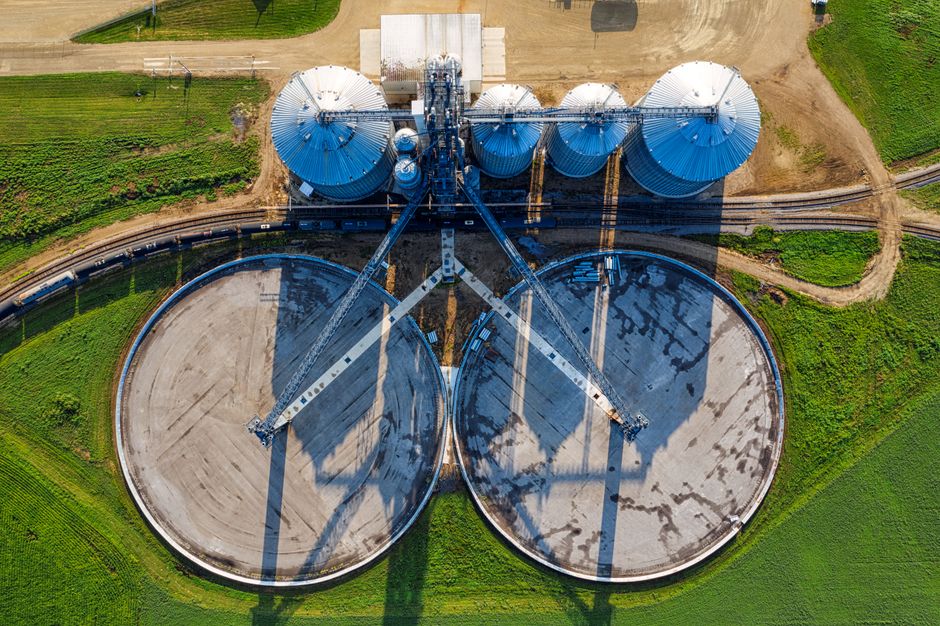
Key examples and data points:
- Crude oil futures: The standard WTI crude contract on major exchanges represents 1,000 barrels of oil. A move of $1 in price translates to $1,000 in profit or loss per contract, underscoring the leverage embedded in energy bets.
- Brent crude and regional grades: Brent price trends are a global barometer for oil markets, often influencing energy equities and related futures.
- Precious metals: Gold futures on most platforms use 100 troy ounces per contract, with settlements tied to metal prices and financial conditions.
- Agricultural contracts: Corn, wheat, soybeans, and other staples are traded in standardized lots that reflect global crop production and weather risk.
Why this matters now: Market volatility around shipping routes like the Strait of Hormuz and evolving sanctions or policies can swing futures prices. In May 2026, Brent crude averaged around the mid-$80s per barrel as traders priced in potential supply disruptions, according to the latest Energy Information Administration data. The quick moves in oil futures illustrate how commodity markets respond to geopolitical cues in real time.
Stock Index Futures: A Door to the Broad Market
Stock index futures enable investors to take positions on big baskets of equities without buying individual stocks. They’re essential for hedging equity risk around earnings, macro events, or portfolio rebalances.
Typical characteristics:
- Contract sizes vary by index, with the popular E-mini S&P 500 futures offering a smaller, more accessible exposure than the full-size contract.
- Tick value and margin requirements are published by each exchange and can shift with market volatility and regulatory changes.
- Settlement is cash-based, linked to the index level at expiration, which makes them a flexible tool for managers who don’t want physical delivery of stocks.
Recent market context: Traders have used index futures to express views on how quickly inflation cools and how aggressively the Federal Reserve will tighten or pause. A volatile session can push liquidity into these contracts as participants seek quick risk transfers or hedges against unexpected swings in tech or cyclicals.
Currency Futures: Hedging FX Risk in a Globalized World
Currency futures are a core tool for multinational businesses and traders who want to manage exposure to currency swings. They stabilize costs and profits when revenue streams cross borders and exchange rates move with policy expectations and commodity prices.
Key points:
- The contracts are standardized and settled in cash, with quotes based on the anticipated exchange rate moves between major currencies and the U.S. dollar.
- Liquidity is typically strongest for the most-traded pairs, such as USD/EUR and USD/JPY futures, making them accessible for hedges and short-term trades.
Market winds as of mid-2026: The dollar has been sensitive to inflation data and the global growth outlook. FX futures traders are watching cross-currency spreads and policy signals for clues on whether the dollar strengthens or loosens further this year.
Interest Rate Futures: Betting on the Path of Rates
Interest rate futures mirror the market’s outlook on central-bank policy. They’re especially popular around policy meetings when traders re-price longer-term debt securities and inflation expectations. These contracts help institutions hedge debt portfolios and investors express views on inflation and growth without moving cash in and out of bonds.
What you should know:
- There are futures tied to U.S. Treasuries of various tenors, including short, intermediate, and long maturities.
- Price moves correspond to yield changes: rising prices imply lower yields and vice versa.
- Margin and liquidity depend on the tenor and the exchange rules, with ever-changing rules designed to keep these markets orderly in stressed sessions.
Why traders care now: With inflation data continuing to influence expectations for rate cuts or hikes, interest rate futures offer a way to hedge or speculate on the terminal rate path. In June 2026, market participants were parsing the latest inflation print and Fed commentary for clues on the trajectory of policy—an area where futures liquidity remains strong and responsive to headlines.
Cryptocurrency Futures: Regulated Access to Digital Assets
Cryptocurrency futures provide regulated exposure to digital assets without holding the coins directly. They’re attractive to traders seeking leverage or hedging against crypto swings while complying with exchange rules and custodial standards.
Important notes:
- Bitcoin and Ethereum are the most common underliers, with contracts settled in cash and priced in familiar futures notation.
- These products can offer faster settlement cycles and clearer risk controls than spot crypto markets, though they still carry crypto-specific risks such as liquidity and regulatory changes.
Current environment: As digital asset markets mature, regulated crypto futures have gained traction among traders looking to diversify their hedging tools amid sensitive inflation data and broader risk sentiment. Market participants weigh liquidity, counterparty risk, and regulatory clarity when deploying crypto futures in portfolios.
How to Use Futures: A Quick Guide for Investors
Futures are versatile. They can be used for hedging, speculation, or portfolio construction. Here are practical takeaways for readers wondering how to apply the concept of futures to real-world investing today.
- Protect a portfolio against adverse moves in oil, the S&P 500, or the FX you rely on for international operations.
- Express a directional view on a sector or macro trend with limited upfront capital relative to the exposure.
- Exploit price differences between related futures contracts or between futures and the underlying asset.
- Use tight risk controls, such as stop orders and disciplined margin management, to avoid outsized losses from sudden moves.
Starting points for new traders: Learn the contract specifications first (size, tick value, margin, and settlement), then simulate trades in a paper account before risking real money. Always align futures activity with your overall risk tolerance and time horizon.
Key Considerations and Risks
Futures offer powerful leverage, but they also bring heightened risk. Investors should be mindful of:
- Leverage: A small price move can yield large gains or losses relative to the margin posted.
- Margin requirements: These can change quickly with volatility, affecting capital needs.
- Liquidity: Some contracts are highly liquid, while others can experience gaps during market stress.
- Roll costs: As contracts approach expiration, traders may roll positions into new contracts, incurring costs and slippage.
In today’s market environment, where geopolitical events intersect with inflation expectations, knowing what different types futures offer is essential to designing robust hedges and speculative plays. The five major futures families give investors a toolkit for navigating volatility across energy, equities, FX, rates, and digital assets.
Bottom Line: What This Means for Your Portfolio
As of June 2026, the futures landscape remains dynamic, with crude oil volatility at the forefront of headlines and a broad set of instruments to manage risk or pursue opportunities. The key takeaway for investors is simple: understand what each futures category is meant to do, know the contract specifics, and ensure you have a disciplined plan for risk, margin, and exit strategies. Whether you’re hedging a multinational operation or seeking to express a macro view, what different types futures can do for your portfolio depends on your goals, cash needs, and appetite for leverage.
Note: This explainer uses current market context from June 2026 and is intended for educational purposes. Always consult a licensed adviser before trading futures.
Discussion