
Market Backdrop for a Two-Year Window
For buyers staring at a two-year clock before closing, the market environment matters as much as the math. Mortgage rates in mid-2026 have settled at elevated levels relative to a decade ago, keeping monthly payments higher and affordability tighter. At the same time, home prices in many metros have shown resilience due to limited supply. In this context, where park house down funds should go matters more than ever: safety and liquidity come first if the goal is to close on a purchase on schedule.
Analysts say the right move is to protect capital while still earning a respectable return. The two-year horizon means you can’t rely on equity markets to lift a down payment without risking a sizeable dip right before you need to close. If you’re juggling a lease ending, a job transition, or a family move, the plan must minimize the chance of a sudden drawdown.
For readers asking where park house down money should go, the answer centers on federally insured vehicles and short-duration instruments. Stocks, index funds, or crypto generally don’t fit a two-year window where volatility can derail a purchase. The goal is the highest yield you can earn without taking real risk of loss.
Where Park House Down: The Safe Toolkit
Two years is short enough to favor insured options that preserve principal. Here are the best bets for where to park a house down payment within a two-year horizon:
- High-yield savings accounts at FDIC-insured banks. These accounts offer liquidity and deposit insurance up to the statutory limit, with yields that adjust alongside the federal funds rate. They’re ideal for ongoing contributions if you plan to add funds every month.
- Short-term certificates of deposit (CDs) and laddering. CDs lock in a rate for a fixed term, trading some liquidity for a higher yield. A ladder—staggered maturities like 3, 6, 12, and 24 months—helps you access funds as needed while still earning a competitive rate.
- Short-term Treasuries or T-bills held directly or through a broker. These instruments are backed by the U.S. government and offer predictable, insured-like returns over short durations. They can be a good fit when rates are likely to drift higher or lower in the near term.
Other investment vehicles, including short-term bond funds or stock-based products, carry price risk that isn’t appropriate for a two-year goal. If your time horizon is fixed by a lease, job move, or family plan, preserving capital takes priority over chasing extra yield.
Constructing a Two-Year Ladder: A Practical Plan
A well-structured ladder helps you balance safety and access. Here’s a concrete framework you can tailor to your situation:

- Story your time horizon: Align fund maturities with expected need dates. If you anticipate needing the full amount in 24 months, shape at least one instrument to mature around the purchase window.
- Allocate funds across instruments: Split the balance across high-yield savings, CDs, and short-term Treasuries. This mix preserves liquidity while capturing higher yields than a plain checking account.
- Automate deposits: Set up monthly contributions to the savings portion and review ladder progress quarterly to ensure the schedule stays on track.
- Rebalance if rates move: If the rate environment shifts significantly, consider shifting some funds from savings to a newly issued, longer-dated CD with a favorable rate or adding a fresh round of short-term Treasuries.
As a rule of thumb, a simple starting point is a four-piece ladder: one 3-month instrument, one 6-month, one 12-month, and one 24-month. The shortest rung provides optionality if you need to close earlier than expected, while the longest rung locks in a rate you’ll rely on for the largest portion of the window.
Current Rate Snapshot: What to Expect
Rates for the cars-to-close portion of a home purchase are moving targets. Here’s a snapshot of typical ranges you’ll see in mid-2026 across common vehicles:
- High-yield savings accounts: roughly 4.0%–5.0% APY, fluctuating with the fed funds rate and bank competition.
- CDs (3–24 months): about 4.25%–5.25% for standard terms, with longer ladders sometimes pushing toward the higher end.
- 3-month to 12-month Treasuries (T-bills): broad ranges around 4.5%–5.5% annualized, depending on auction results and rate expectations.
These ranges illustrate why the focus remains on safety and predictable income. A two-year timeline rewards a cautious, well-spread approach rather than chasing double-digit returns that only come with excessive risk.
Expert Voices: How to Think About the Decision
Industry observers emphasize the need to anchor your plan in risk control. Mara Liu, a Senior Investment Strategist at NorthBridge Capital, notes,
“Two years is a short runway in a market that can swing. The priority is protecting principal while earning a reasonable yield. That means favoring insured vehicles and short duration.”
Daniel Chen, Portfolio Manager at Beacon Wealth, adds,
“A CD ladder can offer a modest yield premium while keeping liquidity intact. If your closing date shifts, you still have access to funds at predictable intervals.”
For readers wondering, where park house down money should go, these voices converge on a simple verdict: safety first, yield second, with a plan that adapts to rate moves and timing realities.
Step-by-Step Guide to Set Up Today
If you’re starting from scratch, here’s how to implement in a few easy steps:
- Open a dedicated account for the down payment separate from day-to-day spending, ideally a high-yield savings account and a TreasuryDirect or broker account for Treasuries.
- Create a four-rung ladder with maturities at 3, 6, 12, and 24 months. Allocate roughly 25% to each rung at first, then adjust based on your timetable and rates.
- Set up automated deposits to the savings portion so money grows steadily without manual intervention.
- Monitor and rebalance every quarter. If a CD matures and rates are favorable, roll into a new 6- or 12-month instrument to lock in additional yield.
- Keep a small reserve for near-term contingencies, such as moving costs or temporary housing, separate from the down payment funds.
In practice, this approach means the bulk of the money sits in liquid, insured forms while a smaller slice earns incremental yield from fixed-term commitments. The goal is to have a reliable pool ready when you need it, with little exposure to market chaos.
Putting It in Context: The Housing Market and Your Timeline
Two years can feel like a blink in the housing cycle, but the clock is real for many buyers. Even as prices drift, lenders are adjusting to a landscape of higher upfront costs and mortgage rates that stay elevated longer than in past cycles. The strategy to park a house down payment, therefore, should reflect both the macro backdrop and your personal timing.
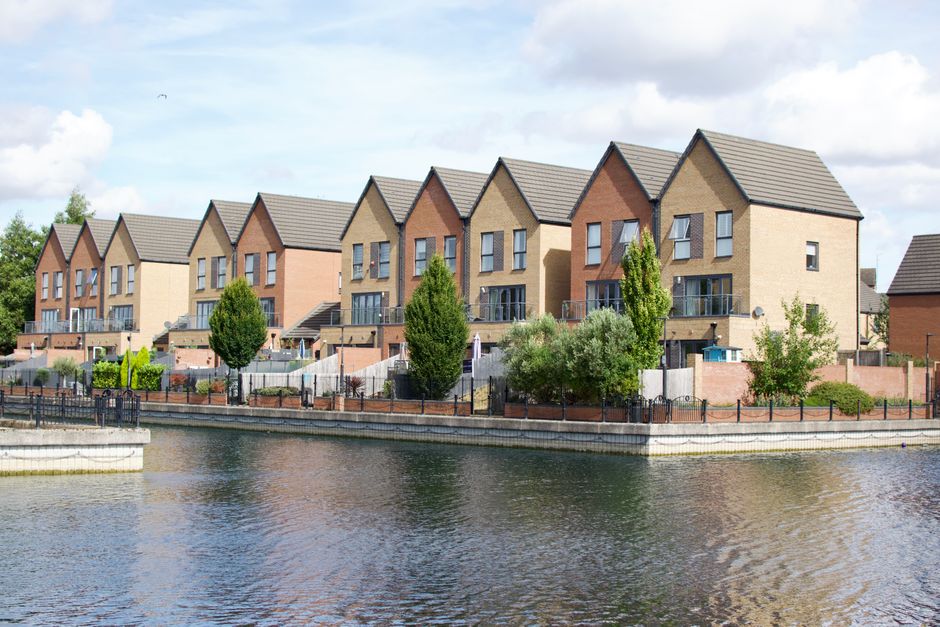
Beyond the safety equation, buyers should also plan for closing costs, moving expenses, and potential repairs. The more you can reserve for these items, the less you’ll be forced to stretch financing or accept less favorable terms when the time comes to seal the deal.
Key Takeaway: Where Park House Down Money Goes
In sum, the safest, most practical answer to the question of where park house down funds should go over a two-year horizon is a carefully constructed mix of high-yield savings, short-term CDs via a ladder, and short-duration Treasuries. Those options—insured and short in duration—offer the best chance to preserve capital while still delivering a modest, predictable yield in a market where volatility can threaten a timely home purchase.
For readers seeking an action plan, the path is clear: protect principal first, then pursue yields within insured or government-backed channels. If your goal is to close on a home in two years, you’ll sleep better knowing your down payment isn’t riding the swings of the market.
Bottom Line
Two years is enough time to set up a smart, defensive structure that supports a home purchase without exposing you to the price swings of riskier assets. The best answer to where park house down money should go remains a blend of high-yield savings, CD ladders, and short-term Treasuries. It’s a plan that aligns with today’s rate environment and the realities of a tighter housing market, helping buyers stay on track as they prepare to make their move.
Discussion