Market Context for Airline Stocks in 2026
As of June 2026, investors are asking a simple, high-stakes question: which airline stock dominated this year’s trading? The answer isn’t a single name, but a tale of two trends. Delta Air Lines is delivering margin resilience and steady earnings support, while JetBlue is proving that a leaner, more focused model can weather fuel swings. United and American, despite periods of strength, carry heavier balance-sheet burdens and higher sensitivity to fuel and hedging costs. The result is a mixed landscape where the best performer depends on the lens — profitability, leverage, and growth potential all matter.
The broader market backdrop adds nuance. Fuel prices remain volatile, labor costs are uneven, and demand for premium international travel has shown renewed strength in pockets of the network. Traders are weighing how much the sector’s rebound can be sustained under higher interest rates and potential policy shifts affecting air travel. In this environment, the focus turns to which airline stock dominated in 2026 by combining price action with fundamentals across the four biggest U.S. carriers.
Delta’s Margin Edge is Driving Year-to-Date Leadershi
Delta Air Lines has emerged as the clearest beneficiary of a diversified revenue base and disciplined cost management. By leveraging its loyalty program, cargo operations, and a more balanced approach to capacity, Delta has managed to keep profits on a steadier path even as fuel costs fluctuated. Management signaled confidence by projecting Q2 EBITDA near the $1 billion mark, a level that is drawing attention from equity strategists as a sign of durable cash flow even in a volatile fuel environment.
“In an era of uncertain fuel pricing, Delta’s mix of core flying, loyalty-driven revenue, and cost discipline stands out,” said Mia Chen, portfolio manager at Northbank Capital. “If this trajectory holds, Delta could extend its lead on margin while peers work through hedging sensitivity and balance-sheet challenges.”
JetBlue’s Turnaround Comes Into Focus
JetBlue Airways has lagged the big carriers on scale, but its bet on efficiency and the JetForward turnaround plan has produced a modest YTD gain for early 2026. Investors have rewarded the carrier for progress on Blue Sky partnerships and a tighter capital approach that reduces risk exposure to fuel spikes. JetBlue’s leverage remains higher than the legacy carriers, and the margin cushion is thinner, making it more sensitive to sustained fuel volatility and cost pressure.

Analysts point to JetBlue’s relative resilience as a constructive sign, though they caution that the stock’s performance hinges on continued progress in cost control and fleet optimization. As one equity analyst notes, "JetBlue is not out of the woods yet, but the trajectory from JetForward aligns with a more stable cost base that could support multiples if fuel remains volatile."
United’s International Strength Meets Cost Constraints
United Airlines has displayed undeniable strength in its international network and premium inventory, which have supported earnings even when fuel costs advected pressure onto margins. However, the stock’s year-to-date performance has faced pressure from rising fuel costs and a broader range of guidance that was narrowed as the year progressed. While United remains well-positioned for long-run growth, near-term investors are digesting a wider guidance range that reflects cost headwinds and capacity discipline signals.
Voice of the market suggests United’s recovery path is intact, but the emphasis on cost containment will be critical for sustaining investor confidence. A veteran equity strategist at CapitalRidge notes, "United benefits from a broad international footprint, but any sustained uplift in profitability will depend on how well fuel and hedging costs stabilize and how quickly capacity adjustments translate into improved unit economics."
American Airlines Faces Higher Leverage and Equity Pressures
American Airlines stands out for its heavier debt load and a phase of balance-sheet sensitivity that has spooked some investors. The carrier has posted solid top-line growth, but negative stockholders’ equity and persistent leverage concerns have capped upside in a year when risk management is paramount. In spite of a record Q1 revenue print, concerns about liquidity and debt capacity surface when fuel spikes widen operating gaps.
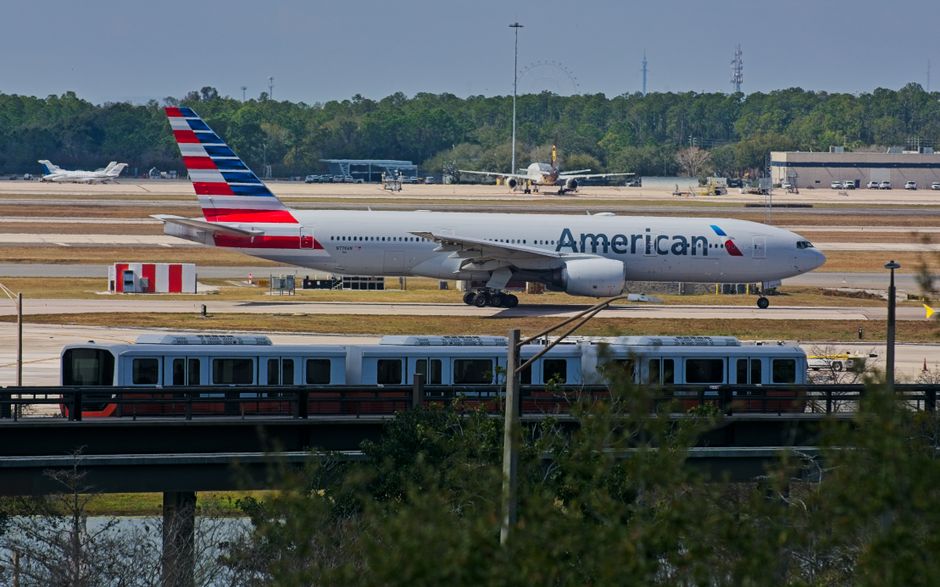
Industry observers say American’s path to a more robust multiple hinges on stabilizing its balance sheet and extracting more efficiency from the cost structure. "The leverage story is a key breakpoint for AAL in 2026," says Jordan Kim, head of equity research at SummitView. "If debt service costs stay elevated or if equity markets tighten, the stock’s appeal could dim even as revenue trends improve."
Key Data Points: How the Four Stocks Compare
- Delta Air Lines (DAL) — Year-to-date return leading peers, with improved EBITDA guidance for Q2 near $1.0 billion. Fuel hedging covers a meaningful share of near-term exposure, and cash flow is supported by non-ticket revenue lines. Market observers say the margin resilience matters more than headline demand shifts.
- JetBlue Airways (JBLU) — Small but positive YTD performance around the mid-single digits. The company carries higher leverage than legacy carriers, but progress on JetForward and Blue Sky is narrowing the cash-cost gap. Investors monitor sensitivity to crude prices and the pace of cost reductions.
- United Airlines (UAL) — Negative YTD performance, driven by fuel-cost pressure and a tightened guidance window. Yet, international demand remains a growth engine, and premium revenue growth helps offset some cost headwinds. Strategy centers on balancing capacity discipline with international expansion.
- American Airlines (AAL) — Among the heaviest leveraged names with troubled stockholders’ equity metrics. Revenue growth is encouraging, but debt-servicing costs and volatility in fuel prices keep the stock under pressure relative to peers.
Which Airline Stock Dominated in 2026? The Nuanced Answer
The headline question—which airline stock dominated in 2026—doesn’t resolve to a single winner. Delta has shown the strongest risk-adjusted profitability this year, benefiting from a diversified revenue framework that cushions margins during fuel spikes. JetBlue has offered the best combination of growth potential and balance-sheet discipline among the smaller, more agile players, indicating a different type of dominance in risk management rather than pure scale. United carries the allure of a broad network and international exposure, but it remains tethered to fuel dynamics and capital discipline. American’s narrative centers on earnings recovery tempered by leverage constraints that could cap upside until the balance sheet improves.
Investors have to weigh not just the year-to-date price path but the quality of earnings, debt levels, and the capacity to navigate a world of volatile fuel, evolving travel demand, and higher interest rates. As investors repeatedly ask "which airline stock dominated" this year, the answer hinges on what investors prioritize: Delta’s margin stability, JetBlue’s controllable risk, or United and American’s potential for upside if fuel costs ease and network optimization bears fruit.
What Investors Should Watch Next
Looking ahead, several factors will determine whether the leadership among airline stocks endures into the back half of 2026 and into 2027. Analysts point to:
- Fuel hedging and actual fuel costs versus guidance. A stable fuel environment could tilt the balance toward higher-margin names.
- Debt levels and liquidity, especially for American and JetBlue. Debt service costs in a rising-rate environment will test balance sheets.
- International demand recovery, supply capacity, and the timing of capacity expansion. United’s strength here could outweigh near-term costs if travel rebounds strongly.
- Loyalty program monetization and diversification of non-ticket revenue. Delta’s portfolio advantages in loyalty and cargo may prove durable.
Bottom Line for Investors
As the 2026 season unfolds, the market is revealing a nuanced picture of leadership in airline stocks. Delta stands out for profitability resilience, JetBlue offers a compelling risk-adjusted profile within a smaller-cap framework, and United and American present potential upside that is contingent on cost management and balance-sheet health. The undeniable takeaway is that the question of "which airline stock dominated" in 2026 has no single answer; it reflects a spectrum of strengths that appeal to different investors, time horizons, and risk tolerances.
For now, traders should monitor fuel costs, hedging effectiveness, debt levels, and network strategy updates. Those factors will likely determine which airline stock dominated the conversation at year-end and where the most durable outsized gains can be found in 2027.
Discussion