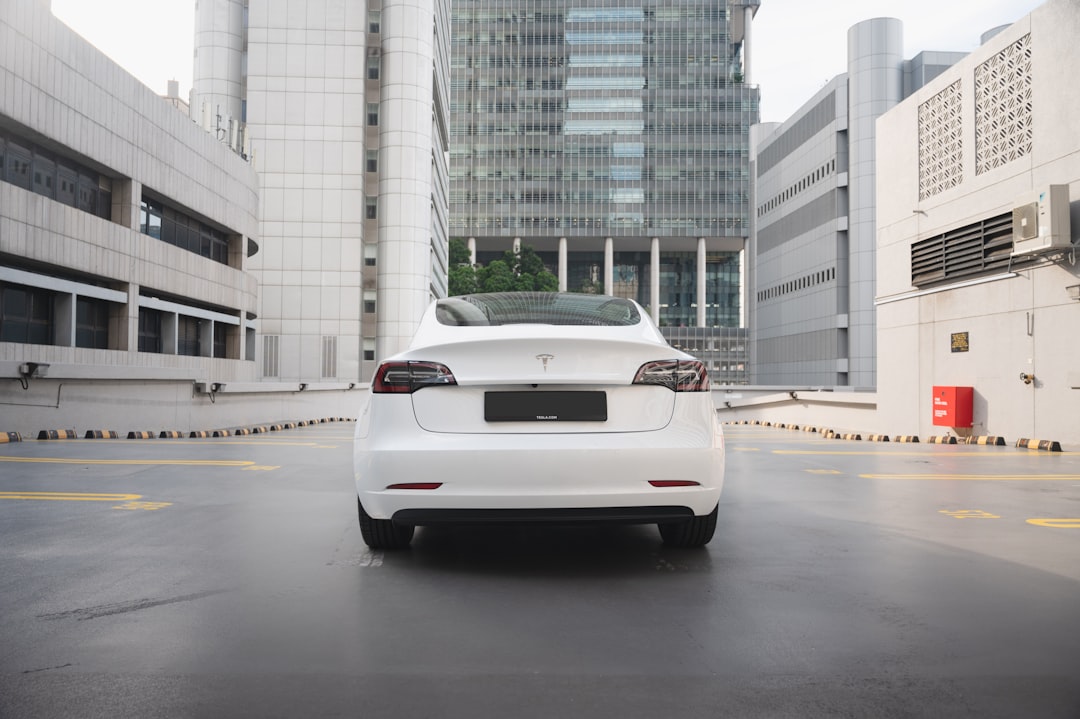
Will Tesla Merge With SpaceX? Investing Outlook And Risks
Two of the most influential names in technology and space—TESLA, the electric vehicle leader, and SpaceX, the private rocket company—have long fueled market chatter about a potential combination. The question many investors ask is, will tesla merge with SpaceX, and if so, what would it mean for stock prices, earnings, and long-term growth? This article takes a practical look at the idea, the hurdles, and the playbooks investors can use regardless of the outcome. We’ll separate hype from reality, quantify potential effects, and offer clear steps to navigate this high-profile scenario.
What would a merger really look like?
To avoid confusion, it’s helpful to map out the possible formats. A full merger would imply a single corporate entity that owns both carmaking and rocketry ventures, potentially blending research and manufacturing systems, software platforms, and supply chains. A more modest route could involve a strategic alliance, cross-investments, or the consolidation of only selected assets (for example, battery technology, propulsion software, or data services) without merging every business line.
From an investor perspective, the central question is whether the merger would create meaningful synergies that lift profit margins, accelerate product cycles, or expand revenue streams beyond what the two companies can achieve alone. If the outcome hinges on scale and cross-pollination of tech, the argument for any combination gains strength. If the deal’s benefits are mostly debt relief or market optics, value creation becomes far murkier.
Why people talk about a tie-up in the first place
- Shared mission and leadership: Both firms pursue ambitious, high-velocity innovation under the same visionary leadership. A single parent company could, in theory, coordinate hardware, software, and energy solutions across vehicles, rockets, and AI-driven systems.
- Potential cost savings: There could be opportunities to consolidate procurement, manufacturing capacity, and engineering talent. Shared platforms for AI, battery tech, and software could cut duplicate costs and speed time to market.
- Funding and capital flexibility: A merger could unlock new channels for funding, risk sharing, and capital allocation—especially if SpaceX’s private fundraising intertwined with Tesla’s public equity base in new ways.
Why a merger is unlikely in the near term
Even with strong case studies for potential synergies, several practical hurdles complicate a possible tie-up between a public company (Tesla) and a private or semi-private entity (SpaceX, as of mid-2024). Here are the top barriers investors should watch:
- Ownership and governance: SpaceX remains privately held with a complex cap table and a large share of voting power concentrated among founders and early investors. A formal merger would require broad consensus from SpaceX stakeholders, not just Musk’s influence. Public market investors in Tesla would also demand protections around ownership dilution, voting rights, and executive compensation alignment.
- Regulatory scrutiny: Any mega-merger touching aerospace, energy, and consumer hardware would draw intense antitrust and national security reviews. The U.S. Federal Trade Commission, the Department of Justice, and international regulators would weigh market concentration, competitive effects, and national interests in space and energy infrastructure.
- Strategic fit and timing: Musk has built both businesses on distinct product calendars and regulatory environments. Integrating a rocket program with consumer automobiles would require a long, costly, and uncertain road—factors investors must price into expectations.
- Public-market dynamics: SpaceX’s private status means any merger would involve complex valuation gaps, stock swaps, or cash-heavy deals that complicate Tesla’s capital structure and earnings stability in the near term.
What a combined entity might look like in financial terms
If awill tesla merge with SpaceX scenario ever materialized, the financial picture would hinge on how the deal is structured. A few starting points to consider:
- Valuation overlays: Tesla’s market cap has hovered near the trillion-dollar mark in recent years, reflecting investor expectations for growth in EVs, energy storage, and software services. SpaceX’s private valuation has traded in a lower yet robust band (roughly a hundred-plus billions in private rounds). A merger would need to reconcile these scales, possibly through stock swaps, debt financing, and a premium to entice SpaceX holders to align with Tesla’s public market dynamics.
- Debt and cash considerations: Any combination would involve debt financing and potential asset sales or divestitures to fund integration and working capital needs. A credible plan would include a buffer for integration costs, new manufacturing lines, and regulatory compliance expenditures.
- Microsoft-style synergy risk vs. reward: If the merger aims to accelerate AI-driven software for vehicles and space systems, the payoff could be meaningful. If the plan falters, the company could face higher interest costs and slower growth, which investors typically punish with multiple compression.
Why the space race and car race add extra layers to the discussion
The tension between space exploration and mass-market transportation creates a unique backdrop for any merger talk. SpaceX’s breakthroughs in rocket propulsion, reusable stages, and AI-controlled flight can complement Tesla’s prowess with batteries, autonomous software, and scalable manufacturing. But the two businesses operate on different cycles, risk tolerance, and customer bases. Investors should consider how well these cycles align and whether a parent company could allocate capital in a way that accelerates both businesses without sacrificing financial discipline.
Key factors investors should monitor
- SpaceX fundraising cadence: If SpaceX continues private fundraising with new valuations, that could affect any swap ratio or premium demanded by SpaceX stakeholders. Higher private valuations might complicate a clean, investor-friendly deal for Tesla’s public holders.
- Regulatory signals: Early hints from regulators about potential restrictions or approvals can foreshadow the feasibility window for such a merger. Investors should watch Congress, international authorities, and competition watchdogs for early signs.
- Strategic disclosures from Musk and boards: Public hints in earnings calls, investor days, or board statements would be the earliest signals of intent or distance from a deal. Quiet confidence or repeated denials can be just as informative as headlines.
What this could mean for investors today
Even if a merger remains unlikely in the near term, the mere rumor can shift market dynamics. Here are practical implications investors should consider:
- Stock price volatility: News about a potential merger typically triggers outsized moves in the stocks involved, even if the event is only speculative. Expect sharper swings around earnings days, regulatory updates, and major fundraising announcements.
- Valuation recalibration: A hypothetical tie-up could push investors to reprice growth and risk. If the merged entity is perceived as strategically superior, the stock could rally. If integration costs are overwhelming, downside risk could rise quickly.
- Portfolio implications: For risk management, consider balancing exposure to high-conviction tech names with more stable holdings. Diversification helps if the deal talks stall or falter, as the core businesses (EVs and space tech) still represent long-term growth areas.
How investors can position themselves now
Whether the market leans into a potential will tesla merge with scenario or moves on, there are prudent ways to position a portfolio:
Maintain exposure to Tesla’s growth story (EVs, energy storage, software services) and SpaceX’s private fundraising ecosystem through secondary channels or comparable public investments in related space/defense tech. Model three outcomes: optimistic, base, and pessimistic. Quantify how each would affect earnings per share, free cash flow, and leverage. This helps translate rumor risk into a clear action plan. If you hold large positions in either company, consider rebalancing to a target weight that aligns with your risk tolerance. News-driven volatility can test buy-and-hold discipline. Keep an eye on antitrust developments and cross-border reviews. A favorable regulatory environment can unlock value, while aggressive scrutiny can derail even well-structured deals.
Putting it into a simple numbers frame
Here’s a hypothetical, non-binding illustration to help visualize scales. Suppose Tesla is valued at about $1 trillion in public markets, while SpaceX’s private valuation sits in the $100–150 billion band in recent rounds. A full merger could imply a combined enterprise value around $1.1–1.3 trillion, adjusted for debt, cash, and potential dilution. A reasonable price premium might range from 5% to 15% to entice private holders in SpaceX to swap into Tesla stock or a new combined instrument. Of course, any real deal would feature detailed negotiation, regulatory review, and a tailored capital structure that could shift these numbers substantially.
What would be different after a merger?
A successful tie-up would aim to create advantages in product development, data analytics, and manufacturing scale. Potential changes could include:
- Expanded product roadmap: A broadened platform could integrate vehicle software with aerospace-grade AI, enabling smarter energy management, autonomous navigation, and mission analytics for both cars and space systems.
- R&D and supply chain optimization: Shared components, battery cells, and propulsion systems could reduce costs and shorten development cycles across a wider range of products.
- Investor optics and governance: A transformed corporate structure would require clear governance, independent risk oversight, and transparent reporting to maintain investor trust.
Red flags to watch for
While the idea is intriguing, investors should stay grounded in caution. Watch for these signals that a merger may be less feasible than headlines suggest:

- Escalating integration costs: If early estimates show expensive technology integration or manufacturing alignment issues, the anticipated returns could erode quickly.
- Regulatory pushback: Signals from lawmakers or regulators about the complexity of combining aerospace and automotive sectors could slow or derail plans.
- Public skepticism from SpaceX stakeholders: If SpaceX investors push back against loss of private control or against stock-based compensation terms, a merger could stall indefinitely.
The bottom line for investors
In the end, the question will tesla merge with SpaceX remains one of the most speculative topics in tech and finance. The structural, regulatory, and governance challenges are substantial. However, the topic does illuminate the broader themes that matter to investors: the potential for cross-industry synergies, the value of disciplined capital allocation, and the importance of monitoring regulatory risk when the lines between public markets and private ventures blur.
Conclusion
Even with the continued chatter around a possible Tesla–SpaceX merger, investors should anchor decisions in fundamentals: cash flow, balance sheet health, product roadmaps, and execution risk. A merger could unlock meaningful value if the two companies can harmonize cultures, align incentives, and share technology without overpaying or inviting regulatory backlash. Until then, treat the topic as a thought experiment that helps sharpen your own investment framework—scenario planning, risk management, and a clear plan for how to respond to news cycles.
FAQ
Q1: Could a Tesla and SpaceX merger actually happen?
A1: It’s theoretically possible, but highly unlikely in the near term given SpaceX’s private status, ownership structure, and the extensive regulatory scrutiny such a deal would trigger. Any path would require complex negotiations, capital structure work, and favorable regulatory clearance.
Q2: What would a merger mean for TSLA stock?
A2: A merger could lead to volatility in the near term due to uncertainty about synergies, valuation, and integration costs. If markets believe the deal unlocks durable earnings and growth, the stock could rally; if the integration risks look too high, downside pressure could prevail.
Q3: How should investors think about risk if they follow this story?
A3: Use scenario planning, diversify exposures, and avoid overconcentration in speculative news. Maintain a core allocation to established drivers (EVs, energy storage, AI software) while treating merger headlines as a source of short-term volatility rather than a new long-term catalyst.
Q4: Are there real-world precedents for this kind of merger?
A4: There are no exact precedents for merging a public vehicle company with a private space company. However, investors can look to cross-industry mergers for lessons on integration risk, tech synergy realization, and the importance of governance structures in maintaining shareholder value.
Discussion