
Intro: The Real Story Behind Working While Collecting Social Security
Imagine you’ve started collecting Social Security and you’re also bringing home a paycheck. It might feel like a financial safety net and a paycheck at the same time. The good news is: you can absolutely work while collecting Social Security. The bad news is that depending on your age, how much you earn, and when you claim, your benefits could be higher or lower than you expect. If you’re curious about working while collecting social, you’re not alone—this is a common situation for Americans who want or need to stay employed, test the job market, or just enjoy extra income in retirement. This guide walks you through the rules, real-world scenarios, and practical steps to avoid surprises and optimize your situation.
How Social Security Works With Earnings
Social Security benefits are designed to replace a portion of your pre-retirement income. Your monthly payment depends on your earnings history, the age at which you start benefits, and some annual inflation adjustments. When you add work into the mix, the Social Security Administration (SSA) applies an earnings test that can temporarily reduce your benefits depending on how much you earn and your age relative to your full retirement age (FRA).
Key idea to remember: you can work while collecting Social Security, but there are timing rules that can change how much you get each month. The rules are different before reaching your FRA, during the year you reach FRA, and after you reach FRA. Below, we break down each phase with simple examples you can apply to your situation.
Before Your Full Retirement Age (FRA)
If you are younger than your Full Retirement Age (FRA) and you earn more than a yearly limit, a portion of your benefits can be withheld. The SSA calls this the earnings test. The amount you lose is tied to how much you earn and how many months you are before your FRA. In practice, the rule works like this: for every $2 you earn above the annual limit, $1 of your benefits is withheld for the months before you reach FRA. The exact limit changes year to year, so it’s important to check the SSA website for the current figure. The rule is designed to encourage people to work while still protecting some retirement income.
The Year You Reach FRA
During the months in which you are between earning and FRA, the limit is higher, and only a portion of your benefits may be withheld. The withholding rate shifts as you approach FRA. The closer you are to FRA, the smaller the impact of the earnings test becomes. In other words, the year you turn FRA is often a transitional period where planning matters a lot because the rules loosen up as you near that milestone.
After FRA
Once you reach your FRA, you can earn any amount without reducing your Social Security benefits due to earnings. This is a big turning point. However, note that benefits can still be subject to income tax depending on your overall income. The SSA’s earnings test no longer applies once FRA is reached, so you gain full flexibility to work as much as you want without sacrificing monthly checks on account of earnings alone.
Tax Considerations: Do I Pay Taxes on My Benefits?
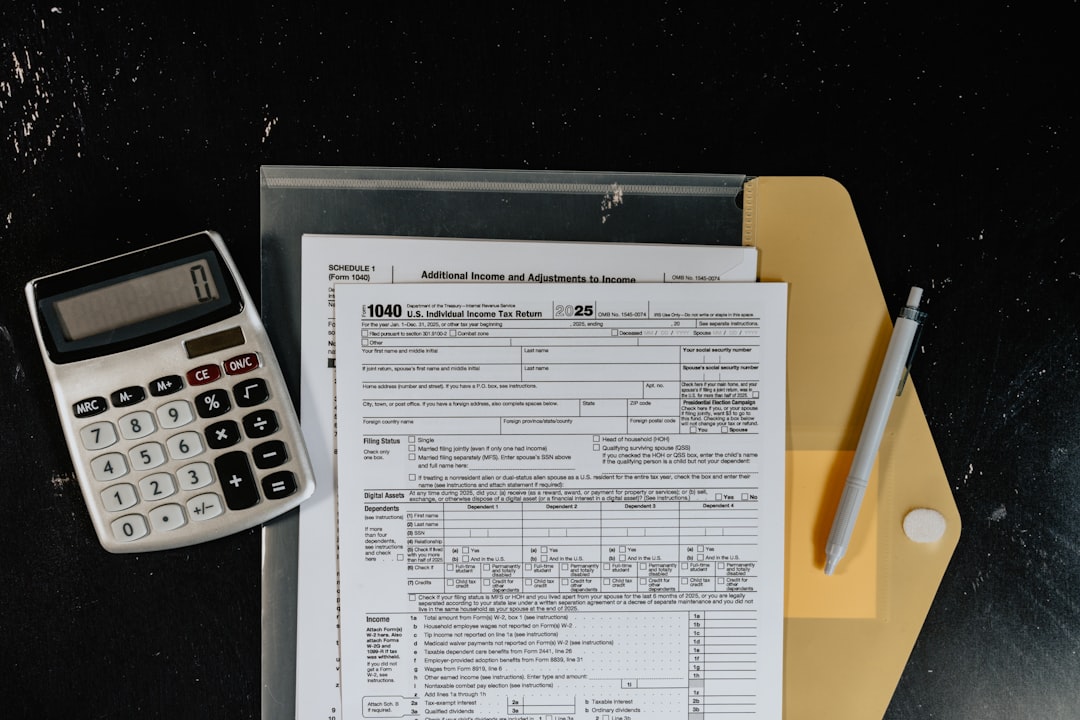
Yes, sometimes. Whether your Social Security benefits are taxable depends on your combined income, which includes adjusted gross income, tax-exempt interest, and half of your Social Security benefits. If your combined income exceeds certain thresholds, up to 85% of your Social Security benefits can be taxed at the federal level. States may also tax benefits, so it’s essential to understand both federal and state rules.
Real-World Scenarios: How It Plays Out
To make this concrete, here are three realistic examples. They illustrate how earnings rules interact with claiming decisions, age, and goals. You can adapt these scenarios to your own income level and plans.
Scenario A: Part-Time Work Before FRA
Jane is 63 and plans to collect Social Security early at 63. She also wants to work part-time to supplement her income. Let’s assume the annual earnings limit for the year is $20,000. Jane earns $28,000 for the year, $8,000 over the limit. Under the 2-for-1 rule, $4,000 of her annual benefits would be withheld during the months before FRA. If Jane was receiving $1,800 per month, her annual benefits total would be $21,600. The $4,000 reduction reduces the annual benefits by about 23% for the prior months before FRA, changing her monthly amount gradually over the year. This example shows the risk: working too aggressively before FRA can significantly cut the cash flow side of retirement.
Scenario B: Reaching FRA Mid-Year
Alex is currently 65 and expects to reach FRA in six months. He earns $25,000 this year from full-time work, while receiving a $1,500 monthly Social Security check. With FRA approaching, the SSA’s higher annual limit for those months means a smaller reduction per overage dollar. In practice, Alex may see partial reductions in the months before FRA, followed by no reductions after FRA once he turns 66. This illustrates how timing can soften the impact of earnings on benefits, especially if you can align big earnings with the period after FRA.
Scenario C: Working After FRA
Sara turned FRA in July, at age 66. She still wants extra income and takes on a consulting gig that pays $2,000 per month for the rest of the year. Because Sara has already reached FRA, there’s no earnings test that reduces her Social Security benefits. Her monthly check plus the consulting income gives her a comfortable cushion. A key takeaway is that after FRA, you can work to your heart’s content without worrying about an automatic reduction in benefits due to earnings—though you’ll still want to plan for taxes and the long-term impact on your retirement strategy.
Strategies to Optimize Your Situation
Whether you’re just starting Social Security or you’re already collecting, these practical strategies can help you optimize the balance between earnings and benefits.
- Coordinate With Your Claiming Age: Delaying benefits up to age 70 can increase your monthly payments through delayed retirement credits. If you can afford to wait while working, this can deliver a higher lifetime benefit, especially if you live a long life.
- Schedule Earnings Around FRA: If you plan to work while collecting social before FRA, time big earning periods to the months after you reach FRA or to years with lower benefit needs to minimize reductions.
- Consider Spousal Benefits: If you’re married, your spouse’s claiming strategy can influence your own. Coordinating claiming ages can maximize household benefits and reduce tax leakage.
- Track Taxes Annually: The combination of Social Security and earnings can push you into higher tax brackets. Use a simple tax forecast each year and adjust withholdings or income timing to keep the tax bite predictable.
- Use Tax-Advantaged Accounts When Possible: If you’re working while collecting social, allocating earnings to an IRA or 401(k) can reduce current taxes and improve long-term growth, while preserving Social Security benefits for the years you need them most.
Practical Steps You Can Take Now
- Check the current earnings limit for the year you plan to work. Visit SSA.gov and search for the earnings test. Note the FRA rules that apply to you and your birth year.
- Calculate a simple forecast: expected earnings for the year, your FRA status, and your Social Security amount. Run two scenarios: (a) no work, (b) work with earnings near the limit. Compare the net cash flow after reductions and after-tax income.
- Talk with a financial planner or use SSA calculators to model outcomes. A quick plan can reveal whether delaying benefits or front-loading work makes more sense for your life expectancy and goals.
- Review tax implications. If your combined income could push you into a higher tax bracket or make 85% of benefits taxable, adjust withholdings or plan to stagger withdrawals from investments.
- Periodically revisit your plan. If your health, job prospects, or market conditions change, your best strategy for working while collecting social can shift as well.
Technology, Tools, and Resources That Help
Several reliable sources can help you navigate working while collecting Social Security. The SSA’s official website offers up-to-date limits, FRA rules, and benefit calculators. Tax software and financial planning tools can project your federal and state tax implications when you combine earnings and Social Security. Local nonprofit financial counseling services can provide free or low-cost guidance tailored to your situation. For many people, using a mix of these resources yields the most reliable plan.
Putting It All Together: The Right Mindset for a Smooth Ride
The core truth about working while collecting social is that it isn’t a binary choice of “retire now or keep working forever.” It’s a spectrum. You have options that can improve your living standard today while still protecting your long-term retirement goals. A thoughtful plan considers:
- Your health and life expectancy
- Your financial needs in the near term vs. the long term
- Tax efficiency and investment growth potential
- Spousal benefits and household cash flow
Conclusion: Plan, Then Decide
Working while collecting Social Security is not a one-size-fits-all situation. It can be a smart move to bridge income gaps, test the job market in retirement, or simply enjoy more financial flexibility. The key is to understand the earnings rules, forecast your net income under different scenarios, and align your strategy with your health, life plans, and tax picture. With careful planning, you can enjoy the benefits of both work and Social Security without leaving money on the table—and you’ll avoid the unexpected drop in benefits that surprises many retirees.
Frequently Asked Questions
Q1: What happens if I work while collecting Social Security before my FRA?
A1: If you’re under your FRA, earnings above the annual limit can reduce your benefits. Typically, $1 of benefits is withheld for every $2 earned over the limit for the months before FRA. The exact limits change every year, so check SSA.gov for the current numbers and apply them to your plan.
Q2: Do I lose all my benefits if I work too much before FRA?
A2: Not necessarily. You may see a partial reduction based on earnings over the limit. Some or all of your benefits can be affected depending on how much you earn and how many months you’re before FRA. The rule is designed to encourage work while preserving a basic safety net. After FRA, there’s no earnings-test reduction.
Q3: Are my Social Security benefits taxed if I keep working?
A3: Potentially yes. Your combined income (adjusted gross income + tax-exempt interest + half of your Social Security benefits) can push you into taxable thresholds. Up to 85% of benefits can be taxed at the federal level, and some states tax benefits as well. Use SSA worksheets or tax software to estimate tax impact each year.
Q4: Should I delay benefits to maximize long-term payouts?
A4: Delaying benefits up to age 70 can increase your monthly benefit via delayed retirement credits, which often improves lifetime total benefits if you expect to live into your 80s or beyond. If you need cash now, working before FRA can help, but weigh the immediate trade-offs in reductions against the potential lifetime increase.
Discussion