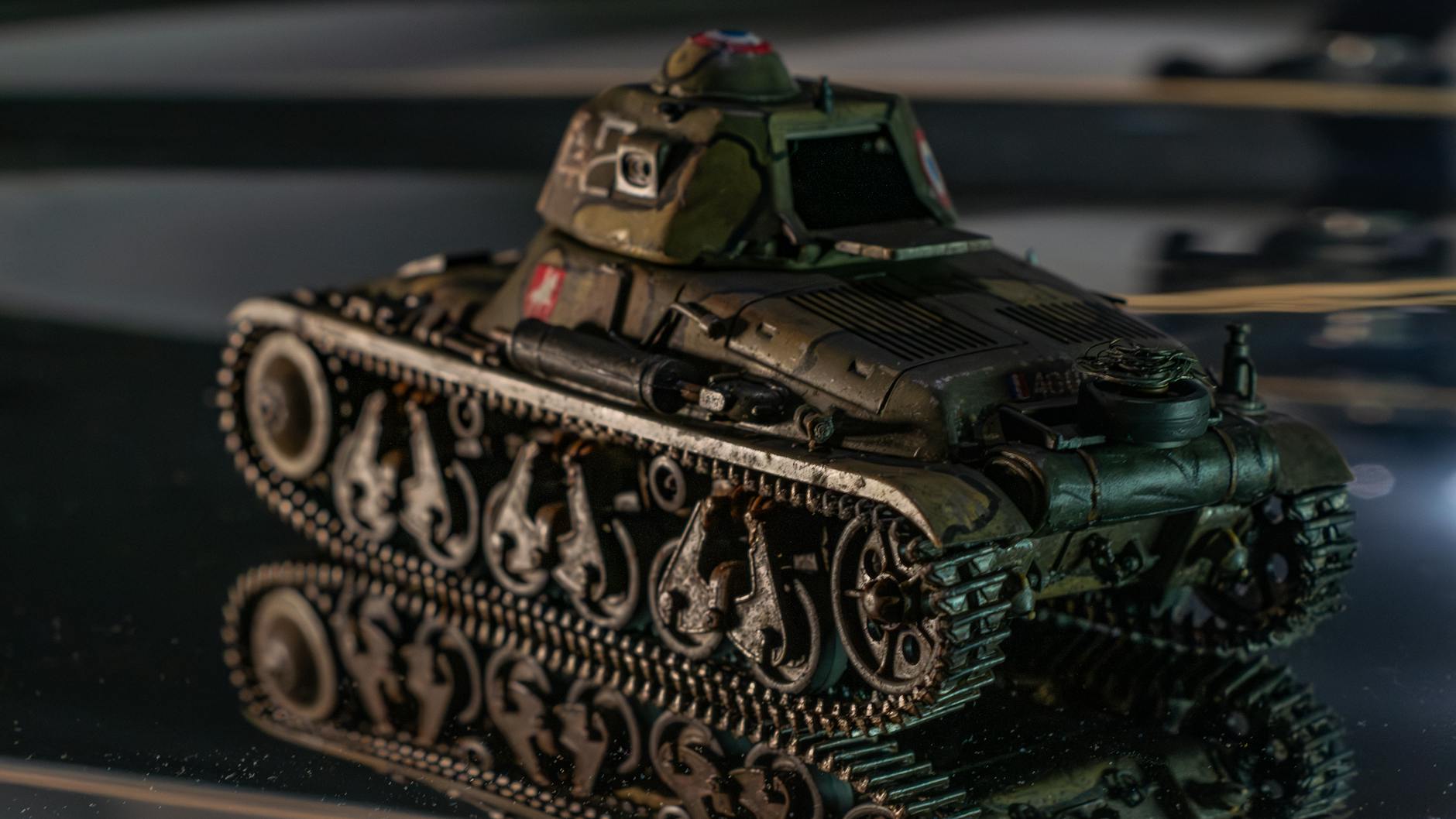
Market Context: Defense Budgets Hold Steady in 2026
Global defense spending remains elevated in 2026, even as markets grapple with volatility. Governments are accelerating modernization programs to address drone swarms, long-range precision weapons, and real-time battlefield networks. For investors, that translates into sustained demand across the armored-vehicle supply chain and its tech layers.
Industry watchers say the emphasis is shifting from pure firepower to integrated systems that connect sensors, weapons, and logistics. The world’s most advanced tanks illustrate this trend: they fuse modular armor, active protection, and networked data to survive in contested environments. As such, defense equities and related ETFs are watching macro signals as closely as quarterly earnings.
“The core driver is modernization, not replacement,” one equity strategist said. “If you’re betting on defense hardware, you’re really betting on software, sensors, and the ability to fight in a drone-rich battlespace.”
The World’s Most Advanced Tanks in Service Today
Today’s leading main battle tanks blend survivability tech with agile sensor suites and data-sharing capabilities. Below is a concise look at five platforms widely recognized as the world’s most advanced tanks, and what each signals for investors and suppliers.
-
M1A2 SEPv3/SEPv4 Abrams (United States)
- Crew: 4; Main gun: 120mm smoothbore; Engine: gas turbine; Status: front-line modernization continues in North America and allied theaters.
- Key tech: upgraded sensors, enhanced battlefield management, and modular armor with active protection integration.
- Investment angle: U.S. defense primes and suppliers of turret electronics and APS components stand to benefit as continuous upgrades roll out.
-
Leopard 2A8 (Germany)
- Country of origin: Germany; Crew: 4; Main gun: 120mm; Status: ongoing export-friendly modernization program.
- Key tech: refined hull design, advanced sensors, and improved fire-control optics paired with modular armor concepts.
- Investment angle: European defense groups supplying armor modules, optics, and networked systems could see sustained demand.
-
K2 Black Panther (South Korea)
- Country of origin: South Korea; Crew: 3 (autoloader); Main gun: 120mm; Status: aggressive export push and domestic modernization.
- Key tech: sophisticated active protection, advanced night-vision/sensors, and a highly networked battle-management layer.
- Investment angle: Korean defense suppliers and joint-venture manufacturers benefit from both domestic and international demand for networked combat systems.
-
Merkava Mk.4 Barak (Israel)
- Country of origin: Israel; Crew: 4; Main gun: 120mm; Status: deeply integrated with air and cyber protection ecosystems.
- Key tech: Trophy active protection system, heavy modular armor, and a strong emphasis on survivability and crew safety.
- Investment angle: Israel’s defense tech ecosystem, including APS and fire-control software, remains a critical corridor for specialized suppliers.
-
T-14 Armata (Russia)
- Country of origin: Russia; Crew: 3 (unmanned turret design); Main gun: 125mm; Status: domestically focused but facing export and supply constraints.
- Key tech: unmanned turret concept, Afghanit active protection system, and a heavy emphasis on digital battlefield integration.
- Investment angle: Global exposure is more constrained, yet some European and Asian suppliers of networked defense tech could see indirect demand shifts.
Across these platforms, the throughline is clear: high-grade armor is now inseparable from a real-time data network, modular components, and active-defense layers. The most capable tanks aren’t just about inertia; they’re about how quickly they can perceive threats, share data, and neutralize risk on the move.
How These Platforms Shape the Defense Industry
Combat vehicles now act as nodes in broader sensor-to-shooter networks. That means demand isn’t limited to steel and engines; it’s also about sensors, communications gear, software, and maintenance services. Analysts point to four major impact areas for the supply chain.
- Active protection systems: Troop safety hinges on compact, autonomous defense modules that can intercept incoming missiles and drones before impact.
- Advanced sensors and fire-control: High-resolution optics, thermal imaging, and AI-aided targeting improve hit probability and reduce crew workload.
- Modular armor and open architectures: Armor that can be swapped and software interfaces that allow upgrades extend a platform’s life cycle and revenue for suppliers.
- Networked battlefield software: Integrated command-and-control, data fusion, and cyber hardening become differentiators in modern fleets.
For investors, the implication is straightforward: the revenue cycle for armored vehicles now runs through a broad tech stack—from chipsets and sensors to maintenance contracts and software subscriptions. That broadens exposure beyond traditional metal-and-machinery names to software firms, sensor makers, and cyber-hardening specialists.
Investment Angles for 2026: Where to Look
Traders seeking exposure to the world’s most advanced tanks via the investment channel have several paths. Direct contractors dominate the narrative, while diversified defense ETFs offer easier access to the broader tech stack shaping armored warfare.

- Direct defense incumbents: Major contractors such as General Dynamics (GD), Rheinmetall (RHMG.DE), BAE Systems (BAESY), and Hyundai Rotem’s parent groups offer opportunities tied to tank modernization cycles and related systems integration.
- Sensors and weapons systems: Companies that supply fire-control optics, night-vision tech, and anti-armor missiles stand to benefit as platform upgrades roll out across fleets.
- Defense ETFs: Exchange-traded funds such as ITA (iShares U.S. Aerospace & Defense ETF) and PPA (Invesco Aerospace & Defense ETF) provide diversified access to the broader ecosystem behind the world’s most advanced tanks.
- Regional suppliers: Firms in Europe and Asia expanding export portfolios for modern armored vehicles and associated subsystems may see upside tied to government export programs.
Analysts caution that defense investing requires patience. Modernization contracts are often multi-year, and geopolitical events can swing orders and budget appropriations. Yet the long horizon remains favorable for those who diversify across platforms, suppliers, and service offerings tied to the armored fleets.
Risks and Regulatory Environment
Investors should monitor several risk themes. Geopolitical shifts can rapidly alter defense budgets and export approvals. Sanctions on certain suppliers or countries can disrupt global supply chains for key components like sensors or APS units. In addition, technological risk—such as cyber threats to battle networks—could alter the value proposition of newer platforms.
Regulatory changes, including export controls and end-use restrictions, can affect who buys and who sells certain platforms or components. Companies with diversified regional exposure and transparent compliance programs tend to weather policy changes better than those reliant on a single market.
“The best defense stocks in a world of evolving armor tech are those with balanced exposures—direct contracts, high-margin data and services, and a global footprint,” says a market strategist. “That mix reduces a single-country risk while capturing the tech uplift embedded in the world’s most advanced tanks.”
Conclusion: The World’s Most Advanced Tanks Signal a Tech-Driven Armor Era
The evolution of the world’s most advanced tanks signals more than a march of new iron. It marks a shift toward tech-enabled warfare where protection, perception, and networking define combat effectiveness as much as cannon caliber. For investors, that means paying attention to the entire defense ecosystem—the hardware, the sensors, the software, and the service models that keep fleets mission-ready.
As the drone era grows more entrenched and battlefield surveillance becomes ever more pervasive, the strategic value of the armored-vehicle supply chain will hinge on those who can deliver integrated, upgradeable solutions. For those who focus on the long view, opportunities may emerge across direct defense names, specialized suppliers, and diversified defense ETFs—as the world’s most advanced tanks continue to reshape both warfare and investment playbooks.
Discussion