Introduction: The Unexpected Tug-of-War Behind This Year’s Rally
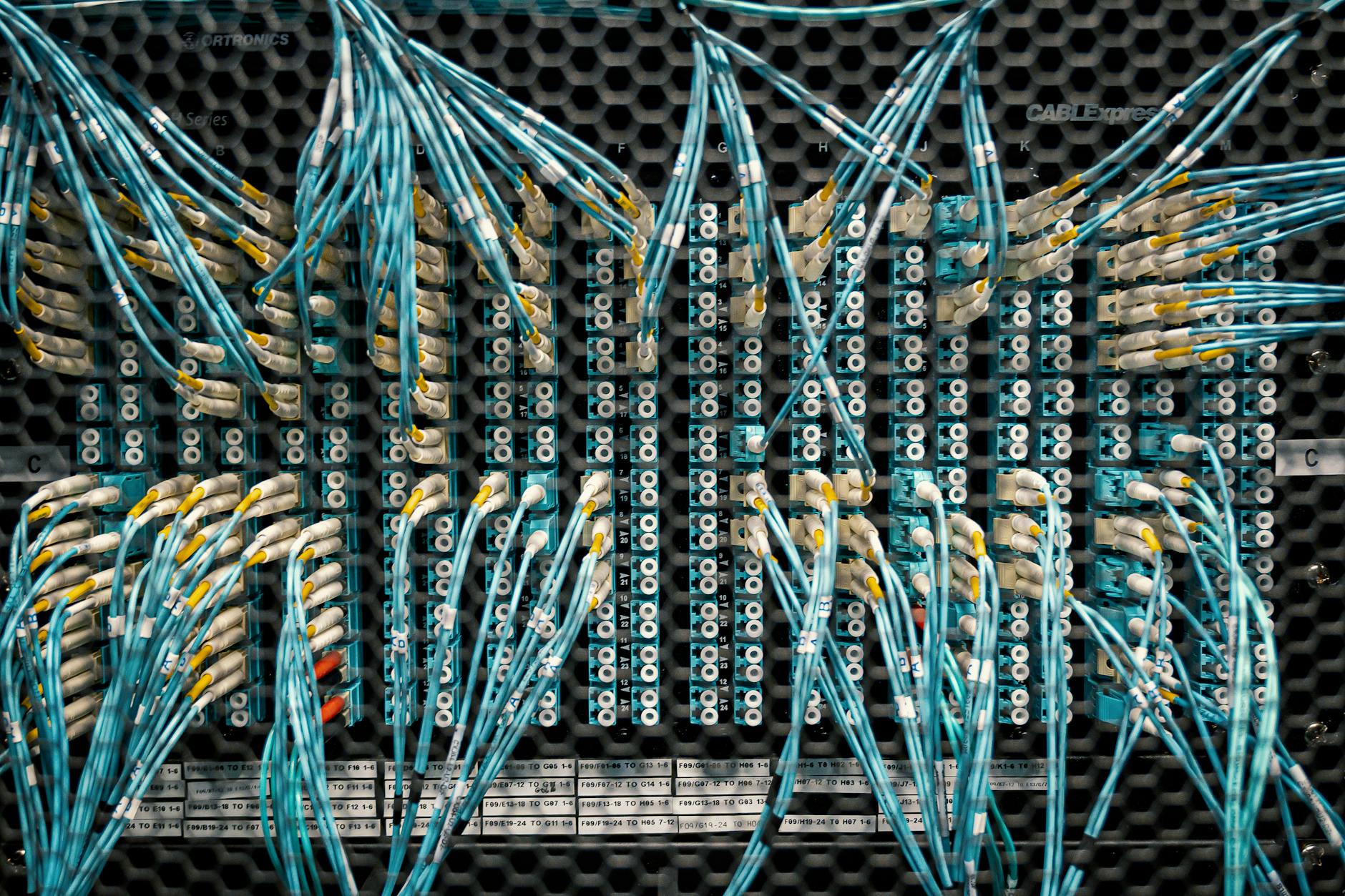
Investors are used to big, obvious market catalysts. Tax reform era tax cuts, cloud computing adoption, and large-scale infrastructure programs all helped lift equities in certain stretches. Today, a different force sits at center stage: the AI data center build-out. The scale of investment is so large it’s reshaping how funds are allocated across technology, energy, and transport. In conversations with portfolio managers and retail investors alike, one phrase keeps resurfacing: yikes! data center build-out. This isn’t just about faster servers; it’s about a wave of capital that could divert billions away from other long-standing market drivers and, in the process, alter how the stock market behaves amid volatility and inflation. In this article, we’ll unpack what’s driving the AI data center expansion, how it could cannibalize a trillion-dollar catalyst that helped propel a multi-year rally, and what practical steps you can take to position a portfolio for this evolving landscape.
What’s Driving The AI Data Center Build-Out?
Three core forces are accelerating the AI data center build-out: demand from AI workloads, the appetite of hyperscalers, and the long-run economics of scale in data infrastructure.
- AI workloads demand more power and storage: Modern AI training and inference require vast GPU/TPU clusters, high-speed interconnects, and dense cooling. This isn’t a one-off upgrade; it’s an ongoing capex cycle as models grow in size and complexity. Analysts estimate that AI-specific infrastructure spending will compound at a mid-to-high single-digit rate for the next several years, with total data center capex potentially reaching into the trillions globally by the end of the decade.
- Hyperscalers lead the charge: Companies like AWS, Microsoft, Google, and Alibaba are not just users of data centers—they’re the primary developers and builders. Their outlays drive a significant portion of the global market for servers, networking gear, and energy management. When these players announce multi-year expansion plans, the ripple effects hit suppliers, contractors, and even public REITs that own facilities.
- Economics of scale and energy efficiency: The more data centers you build, the lower your per-unit costs—provided you optimize energy efficiency, cooling, and power delivery. In a sector where a single new hyperscale campus can cost well over a billion dollars, efficiencies compound quickly and influence market pricing for components like GPUs, memory, and high-performance networking gear.
Why Some Call This A $1 Trillion Catalyst
The AI data center wave isn’t merely a technology upgrade; it represents a long-term reallocation of capital toward digital infrastructure. Industry observers project that cumulative AI-centric data center capex could approach or exceed the $1 trillion mark over the next decade when you include servers, storage, edge compute, energy systems, and cooling facilities. That figure isn’t just a headline—it’s a structural shift that can influence everything from hardware pricing to supply-chain strategies and long-duration investment returns. If you’ve been waiting for a one-shot “market catalyst,” this is less a single event and more a multi-year secular trend that could redefine growth trajectories for a wide swath of tech names.
How The Build-Out Could Cannibalize The Traditional Catalyst Narrative
Markets often glow brightest when multiple growth engines are firing, and investors rotate toward domains showing the strongest long-run returns. The current AI data center surge challenges this dynamic in a few notable ways:
- Capital reallocation: If a large portion of corporate tech budgets shifts toward AI infrastructure, there may be less money left for other pillars that supported stock prices in the past—think legacy software upgrades, on-prem data center refreshes, or slower-moving industrial capex. In effect, the AI wave can siphon capital away from other growth catalysts.
- Valuation recalibration: AI infrastructure leaders command premium multiples based on growth prospects and network effects. Private-market pricing and public-market expectations become more tethered to AI execution risk and supply-chain health, which can introduce more volatility around earnings beats and guidance.
- Supply constraints and pricing pressure: Shortages in GPUs, memory, and high-efficiency cooling systems can push up component costs, compress margins for some manufacturers, and shift which players actually benefit from demand growth.
A Real-World View: What This Means For Stocks
Below is a practical lens on how the AI data center build-out could affect the stock- picking playbook for individual investors and institutions alike.
1) Hardware Providers
Chipmakers and accelerators that power AI—think GPU and memory suppliers, NICs, and custom AI accelerators—sit at the core of the build-out. If AI demand remains robust, these players could experience sustained top-line growth. But there’s a caveat: pricing power is often tied to supply constraints and competitive dynamics. A broader AI spending wave can lift near-term revenue, but investors should watch for capital expenditure cycles and semiconductor pricing pressure as the market stabilizes.
2) Data Center REITs and Operators
Data center owners and operators may benefit from higher occupancy, longer lease durations, and stronger pricing power in certain markets. Yet, the story isn’t one-way: if capacity grows too quickly, supply could outpace demand, tempering yields. Smart investors diversify across operators that own both flagship campuses in major metros and regional facilities. Look for REITs with strong ESG metrics, energy efficiency, and robust tenant diversification.
3) Cloud Giants and Large-Scale Operators
Public cloud leaders often fund the lion’s share of the data center expansion. Their earnings are influenced not only by compute demand but also by efficiency improvements and pricing changes in under-the-hood services. Investing in these firms means taking on business-model exposure beyond pure hardware; you’re effectively betting on their ability to monetize scale and manage operating costs as the build-out accelerates.
What This Means For Your Portfolio: A Practical Step-by-Step Plan
If you’re a retail investor or a busy professional looking to align with the AI data center trend, here’s a straightforward approach that keeps risk in check while capturing potential upside.
- Define exposure priorities: Decide whether you want direct exposure to AI infrastructure (hardware, data centers, energy efficiency) or indirect exposure via cloud operators and related software ecosystems. Your choice shapes the mix of stocks, ETFs, and REITs you should consider.
- Use a tiered allocation: Start with a core, diversified tech exposure (40–50%), add a dedicated AI-infrastructure sleeve (20–30%), and keep a liquidity reserve for volatility (20%). This helps you stay aligned with the long-run growth narrative while avoiding over-concentration in any single moving part of the market.
- Focus on defensible cash flow: In a high-capex environment, companies with durable cash flow and high free cash flow conversion tend to weather cycle shifts better. Favor operators with long-term leases and predictable revenue streams.
- Limit single-name risk: Don’t over-weight a single supplier or customer. Use a mix of hardware, data-center real estate, and software-enabled AI players to smooth out idiosyncratic risk.
- Monitor policy and energy costs: Energy prices and regulatory shifts around data centers can influence margins. Stay aware of regional power contracts, tax incentives for green energy, and climate-related regulations that affect operational costs.
Historical Perspective: The Market’s Narrative Pivot
Markets don’t move in a straight line, and narratives matter as much as fundamentals in the short run. A powerful rally can stall when a single growth engine becomes too expensive or when supply chains face friction. In recent years, a broad rally benefited from several tailwinds, including tax policy, corporate profit resilience, and technology adoption. Now, the AI data center wave is reframing expectations about where growth will come from over the next five to ten years. The question for investors is how to balance that long-run opportunity with the risk that a single megatrend can distort near-term performance.
Key Risks To Watch
Like any megatrend, the AI data centerBuild-Out comes with meaningful risks. Here are a few to consider:
- Technology risk: The pace of AI breakthroughs could be uneven, leading to slower-than-expected investment in data center capacity or a shift toward alternative computing paradigms.
- Supply chain pressures: Semiconductor shortages, logistics delays, or commodity price spikes can delay projects and inflate costs.
- Regulatory and energy risk: Energy usage and carbon footprint disclosures are rising concerns for data centers. New regulations could raise operating costs or affect location choices.
- Valuation risk: If capital continues to chase AI-only exposure, valuations may detach from fundamentals, increasing volatility during market rotations.
Putting It All Together: A Clear Conclusion
The AI data center build-out represents a powerful, long-lasting shift in where corporate and institutional capital flows. It’s not just about faster servers; it’s about a multi-trillion-dollar evolution in how businesses operate, how cloud services scale, and how investors value growth. This is the kind of structural change that can redefine market leadership for years. Yet, it also creates a delicate balancing act: you want to capture the upside of AI infrastructure while guarding against risk from supply constraints, pricing pressures, and changing policy environments. For many investors, the path forward lies in a thoughtful, diversified approach that blends AI infrastructure exposure with traditional technology leaders, while keeping a keen eye on capex cycles and energy dynamics. And yes, the phrase that keeps echoing in boardrooms and trading desks is yikes! data center build-out—a reminder that the market is adjusting to a fundamentally new center of gravity for growth and value.
FAQ
A1: It’s a way to describe the large-scale investment in AI-driven data centers that is reshaping financial markets. The focus is on how this capital allocation shifts demand away from other traditional growth catalysts and what that means for stock prices, margins, and investment strategies.
A2: Industry observers project a multi-trillion-dollar trajectory over the next decade, with AI-specific infrastructure and associated energy systems contributing a substantial share. The exact number depends on AI adoption pace, hardware pricing, and supply-chain resilience, but the trend remains toward very large scale.
A3: Use a diversified approach that includes hardware, data-center operators, and cloud providers. Keep a portion in cash or short-term Treasuries to manage volatility. Focus on companies with strong backlogs, diversified customers, and efficient energy strategies.
A4: Yes. If capex expectations get ahead of realized earnings or if supply constraints ease faster than expected, valuations could compress. Watching earnings guidance, backlog levels, and capacity under construction can help detect risk early.
Discussion