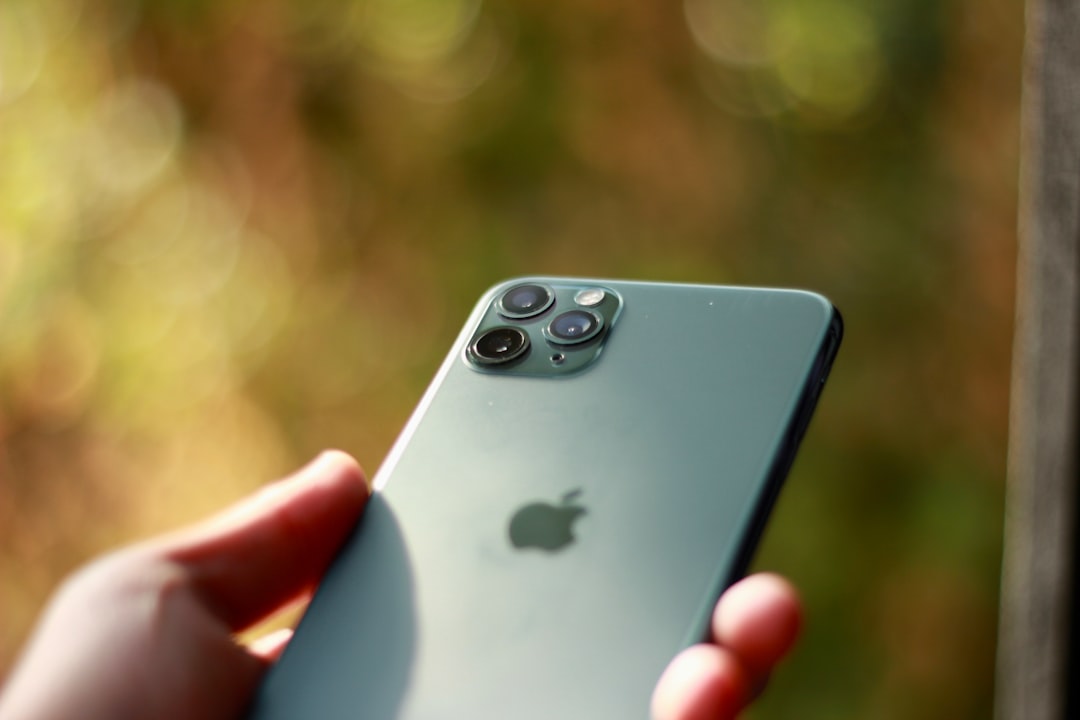
Apple Signals Price Pressure From Memory Costs
Apple Inc. signaled that upcoming iPhone models may carry higher costs tied to memory chips and solid-state storage, a shift that could tilt pricing or storage configurations. The message came as executives prepared investors for a memory-cost headwind that could linger into the next two quarters.
During a late-quarter earnings call in early June 2026, CEO Tim Cook explained that memory costs are set to rise in the near term and that Apple would evaluate multiple levers to offset the impact. He stressed that the company would not shy away from adjusting the product mix or price architecture if needed. "Memory costs are rising, and we will adjust our product mix and pricing strategy as needed," he said, adding that management would continue to review several approaches to protect margins.
Analysts say the outcome will depend on how Apple balances demand with supply constraints in a memory market that remains tight as suppliers retool for expanded AI workloads. The company, a longtime heavyweight buyer of DRAM and NAND, has little room to wait out a cycle of higher costs without some combination of price support and product tweaks.
Why Memory Costs Are Suddenly Apple’s Biggest Challenge
Memory chips, including DRAM and NAND, have been in constrained supply as AI accelerates data processing and storage needs. The ripple effects are not just felt in smartphones; Apple’s device ecosystem and service revenue depend on the same memory ecosystems that power data centers and edge devices. When memory is scarce, chipmakers’ prices rise, and manufacturers such as Apple face higher bill-of-materials and logistics costs.
Industry data show that small shifts in memory pricing can translate into meaningful changes in device economics. While the broader consumer electronics market has grown increasingly price-sensitive, Apple’s premium branding means the company can theoretically pass some costs to users—provided demand remains robust. In the near term, Cook signaled a cautious approach, noting that the company would look at a range of options to preserve profitability without losing market share.
Beyond apples-to-apples costs, supplier dynamics and global memory capacity are intertwined with the broader tech cycle. If memory suppliers can ramp volumes while maintaining quality, Apple’s pricing pressure could be tempered. If not, investors should expect a more deliberate cadence of price moves and storage tier adjustments across the iPhone lineup.
Your Next iPhone About Pricing Pressure
This is what your next iphone about pricing dynamics means for investors. The phrase captures a pivotal question facing Apple: will the company raise the sticker price on a flagship device, extend storage tiers for higher-end models, or pursue a mix of both to protect margins while sustaining demand?
Apple’s margin trajectory has already faced headwinds from rising input costs, and memory is the focal point. In a financial environment where the macro backdrop remains mixed—consumer spending uneven, inflation still lingering in many markets—Apple’s strategy will be tested by how well it can calibrate prices to maintain both volume and profitability.
Executives stressed that the next generation of iPhones, including the anticipated iPhone 18 cycle, would reflect the memory-cost reality in real time. The company is expected to introduce enhancements that justify higher prices or larger storage options, but it remains to be seen how sensitive buyers will be to incremental cost increases as competition from Android devices intensifies and financing options evolve.
What This Means for the iPhone 18 Cycle
With the industry watching for the next major iPhone release, the memory-cost dynamic adds a layer of complexity to the 2026 product cycle. Apple has historically used a combination of premium features, storage configurations, and occasional price adjustments to maintain margins. This time around, memory costs could push Apple to lean more on tiered storage options or strategic pricing tweaks to keep the upgrade cycle attractive while safeguarding profitability.
Analysts are weighing several scenarios. Some expect a modest uplift in average selling prices (ASPs) for the iPhone 18 if the company emphasizes higher storage configurations and premium features. Others caution that higher prices could nudge price-sensitive segments toward competing devices or financing plans that soften the near-term revenue impact. The balance Apple strikes will be pivotal for investors assessing the company’s ability to sustain growth amid a memory-market pull on margins.
Apple’s installed base—already in the billions across iPhone generations—gives it some cushion, but the exact mix of products, regional demand, and financing options will determine how much pricing power the company can retain. The path forward hinges not just on memory costs, but on whether customers perceive enough value in upgrades, services, and ecosystem advantages to justify higher price points.
Market Implications and Investor Playbook
For investors, the memory-cost dynamic introduces a fresh variable in the Apple story. If the company successfully leans into higher ASPs and stronger storage configurations without sacrificing demand, margins could stabilize even as input costs rise. A failure to protect demand, however, could accelerate a price-versus-volume trade-off that complicates valuations for Apple stock and related tech peers.
Market observers are adjusting models and price targets as more data comes in about the iPhone 18 cycle and how Apple manages memory-related price pressure. Some analysts anticipate a gradual recovery in margins as the company shifts to higher-end storage options and possibly phased price bumps. Others warn that consumer financing shifts and macro headwinds could limit the upside if price tags rise too quickly.
The memory-cost narrative also intersects with broader market conditions for technology stocks. As AI chips and data center hardware continue to drive demand for memory, the sector can be characterized by a confirmatory two-way bet: higher memory costs push pricing power for device makers, but they also invite competition on features, battery life, and performance that can soften price sensitivity among consumers.
Data Snapshot and Key Takeaways
- Memory market: DRAM and NAND supply tight as AI workloads expand; prices rising to reflect demand.
- Near-term implications: Apple indicates memory costs will weigh on profitability in the June quarter and beyond, with a willingness to adjust the product mix and pricing as needed.
- iPhone 18 cycle: Expected in 2026, with production decisions guided by memory-cost dynamics and feature upgrades.
- Margins: Apple’s gross margins are susceptible to a memory-cost tilt; investors will watch ASPs, storage configurations, and upgrade cadence closely.
- Consumer demand: Price changes could influence upgrade timing, depending on financing options and macro conditions across key markets.
What to Watch Next
- Next earnings release: Fresh commentary on memory costs, pricing strategy, and iPhone mix shifts will be closely parsed by the market.
- Memory suppliers: Any updates on production ramps from DRAM and NAND manufacturers could signal how stubborn the pricing environment will be.
- iPhone 18 details: Confirmed feature sets, storage tiers, and pricing will drive early demand signals and risk-reward assessments for investors.
- Macro backdrop: Inflation trends, consumer sentiment, and financing conditions will influence how freely buyers respond to higher iPhone prices.
In sum, Apple’s acknowledgement of memory-cost pressure highlights a familiar tension for investors: the company must trade off price, storage, and product value to preserve growth in a demanding technological landscape. As the iPhone 18 cycle approaches, the market will scrutinize not just what Apple charges, but how effectively it justifies those charges through performance, ecosystem benefits, and new capabilities.
Discussion