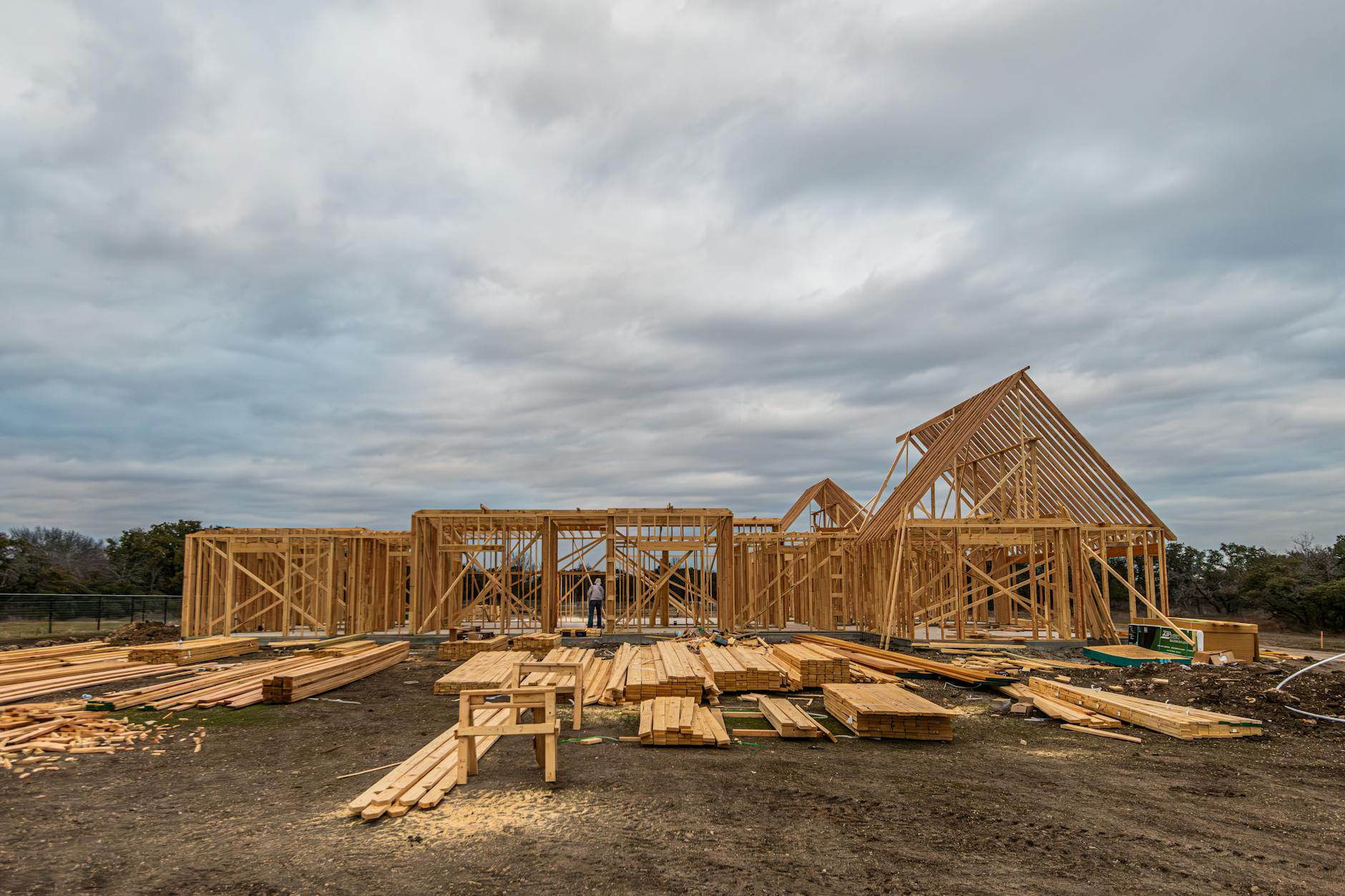
New framework widens the scoreboard for 2026
The housing market enters a new phase as the 2026 HousingWire Homebuilder Rankings broaden their scoring to look beyond sheer size. Builders are now measured by a mix of closings, revenue, and year-over-year performance, plus operational health, production mix, and market resilience. The shift signals a industry-wide appetite for growth that is not only bigger, but smarter and more sustainable.
With affordability pressures lingering, higher-for-longer mortgage rates, and uneven land access, scale remains critical. Yet executives and lenders increasingly say size alone no longer guarantees margins or market durability. The rankings aim to illuminate who can translate scale into steady closings and profit, even when buyers hesitate and financing remains volatile. The expanded scoreboard is designed to separate fast-growing firms from those expanding at the expense of margin.
What the 2026 rankings measure
The updated platform tracks a broader range of data, including:
- 2025 residential closings and total revenue
- Year‑over‑year growth across the top builders
- Production categories such as single-family and multi‑family output
- For‑sale unit counts and completion velocity
- Ownership structure: privately held versus publicly traded builders
In addition to traditional metrics, the rankings introduce a profitability lens and regional resilience indicators, providing a more actionable view for lenders and buyers. The goal is to highlight operators who can convert land positions into closings without eroding margins in a volatile market.
Market backdrop shaping the 2026 rankings
Early 2026 data show mortgage rates hovering in the mid‑5% to mid‑6% range, a level that sustains affordability pressure but is lower than the highs seen in late 2025. Analysts say the current rate environment emphasizes efficient land use, faster production cycles, and tighter cost controls as builders compete for limited lots in growth corridors.

Labor shortages persist in many markets, especially skilled trades, while regional demand remains uneven. The combination of rate volatility and land constraints has forced builders to rethink their footprints—focusing on profitability in core markets, strengthening supplier relationships, and leaning on technology to squeeze operating efficiency. In this climate, the expanded 2026 housingwire homebuilder rankings framework aims to surface operators with the best mix of scale, execution, and local momentum.
Key takeaways from the expanded scoreboard
Early results from the 2026 rankings underscore a shift in how success is defined in residential construction.
- Total closings and revenue: 2025 closings among ranked builders reached roughly 412,000, with combined revenue around $93 billion, marking a solid year‑over‑year gain even as cost headwinds persisted.
- Year‑over‑year growth: Top performers posted growth ranging from the mid‑single digits to the high teens, signaling a divide between operators who cut costs effectively and those chasing aggressive volume without commensurate margins.
- Production mix: Single‑family homes accounted for about 62% of total production, while multi‑family projects captured the remaining share as demand in urban apartments and adjacent suburbs remained robust.
- Ownership and disclosure: Privately held builders represented the majority of the ranked cohort, with publicly traded players continuing to compete on scale and balance sheet flexibility.
- Market resilience: The rankings show how well builders translate closings into cash flow under fluctuating interest rates and rising construction costs, a metric increasingly valued by lenders and equity partners.
Taken together, these data points paint a picture of a market where geographic diversification, operational discipline, and a balanced portfolio of product types matter as much as sheer volume.
Voices from the field
Industry leaders recognize the expanded framework as a practical signal for lenders, developers, and buyers. Sarah Kim, chief editor at HousingWire, says the broadened scoreboard helps remove the noise surrounding pure scale. “The new framework wires in profitability and local resilience, so investors can identify builders who can weather cycles and deliver for families,” Kim notes.

Marcus Reed, CEO of Skyline Homes, adds that the rankings offer a clearer map of lender risk and opportunity. “This isn’t just about who sells more houses; it’s about who can sustain growth while protecting margins in a market where rate swings bite project budgets and land costs,” Reed says.
The guidance from industry executives aligns with recent liquidity trends, as lenders lean toward builders with diversified product streams and disciplined capital allocation. Analysts expect the expanded rankings to influence negotiating leverage with suppliers, insurers, and capital providers who want confidence in the long‑term profitability of project pipelines.
What this means for buyers and lenders
For homebuyers, the expanded 2026 housingwire homebuilder rankings could translate into steadier pricing and more predictable delivery timelines as companies invest in quality control and project management. For lenders, the new metrics offer a clearer view of borrower strength, cash flow, and the likelihood of sustained performance across varying mortgage-rate regimes.
Brokerage and advisory firms are already citing the rankings as a due‑diligence tool when evaluating community catalogs, land banks, and joint venture opportunities. The emphasis on profitability and local execution helps lenders separate option value from headline growth, reducing the chance that capital is funneled into projects with fragile economics.
Looking ahead: 2026 and beyond
As the housing market adjusts to the new normal of higher financing costs and constrained supply, the 2026 housingwire homebuilder rankings are positioned to become a standard reference for the industry. The rankings’ emphasis on intelligent growth, not just bigger footprints, aligns with lender risk appetite and buyer expectations in a market where affordability remains a central challenge.
Analysts expect the rankings to influence strategic decisions in the months ahead, from capex pacing to land acquisition strategies, from product mix optimization to regional expansion plans. In a market where conditions can shift quickly, the ability to translate scale into sustainable profitability could determine which builders lead in 2026 and beyond.
Bottom line
The 2026 housingwire homebuilder rankings are redefining what it means to lead in residential construction. By incorporating profitability, production mix, and local resilience into the scorecard, the rankings provide a clearer view of who can grow responsibly while navigating a complex financing and land landscape. For lenders, investors, and homebuyers alike, the expanded scoreboard offers a more actionable lens on the builders shaping neighborhoods in 2026 and into the next cycle.
As the year unfolds, stakeholders will be watching closely to see which firms convert scale into steady closings and durable margins, and how the rankings influence capital flows, project approvals, and community development patterns across the United States.
In short, the 2026 housingwire homebuilder rankings set the stage for a disciplined, data‑driven approach to growth, one that favors those who can pair volume with value in a market that remains both buoyant and fragile at the same time.

Discussion