Arbor Homes’ Low-$200s Arrival Series Expands to Louisville
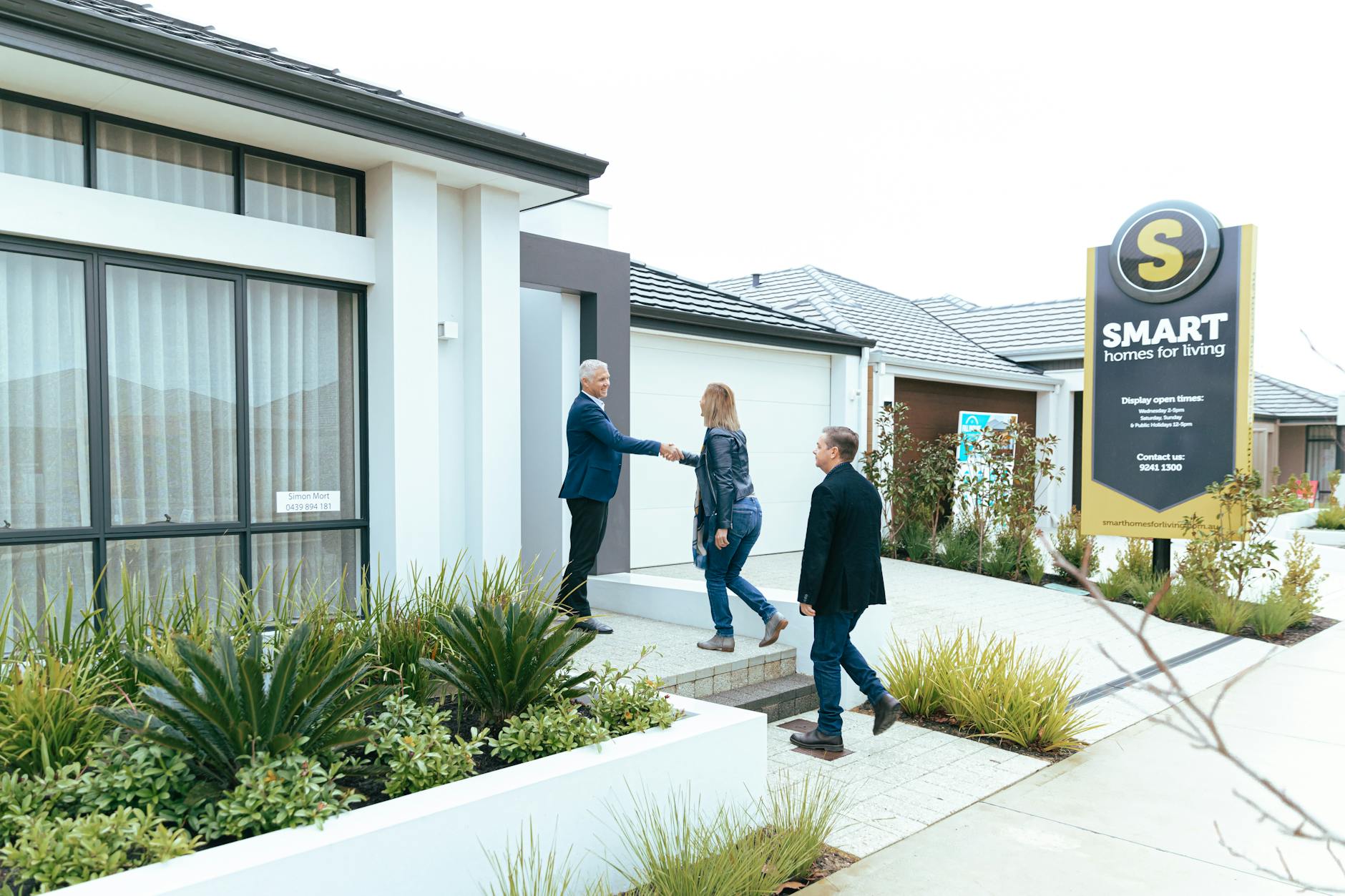
In a strategic push to narrow the affordability gap, Arbor Homes has rolled out its Arrival Series in the Louisville metro, with detached homes in nearby Jeffersonville priced starting at $199,995. The move brings a new price tier to a market where entry-level options have thinned, particularly for first‑time buyers hoping to enter the ownership ladder without sacrificing quality.
The initial Trailside Landing community is the first phase of the expansion, offering a mix of compact, efficient layouts designed to reduce upfront costs while preserving familiar Arbor Homes design elements. The development reflects a broader industry effort to address the ongoing affordability crunch, especially in midsize markets where supply and costs have risen faster than wages.
What’s Included in the Arrival Series in Louisville
Arbor Homes positions the Arrival Series as a pragmatic entry point for buyers who want predictable monthly payments and a straightforward building process. The plan emphasizes efficient construction, cost discipline, and a simplified design package that keeps prices within reach without compromising build quality.
- Trailside Landing pricing: two‑bed, two‑bath, 1,159 square feet from $199,995, designed for low carrying costs and easier financing.
- Three‑bed option: two‑bath layouts at 1,428 square feet starting around $226,995, offering more room for a growing household.
- Largest plan: 3‑bed, 2.5‑bath, 2,186 square feet priced as low as $259,995, delivering additional living space while maintaining affordability headroom.
Officials note that the base price for the lower-cost floor plan typically lands around the low $230,000s once standard options are considered, though buyers can opt to keep upgrades modest to preserve value.
Quotes From Arbor Homes and Market Context
Michael Metzkes, Louisville Division President for Arbor Homes, described the rollout as a measured response to a stubborn affordability gap. “The Arrival Series is about delivering a path to ownership for households that historically faced stiff price barriers,” he said. “By carefully tuning construction costs and design choices, we can present a compelling option without compromising on durability or design quality.”
Market participants say the Louisville push aligns with a national pattern where builders are seeking scalable models that offset land, labor and material cost pressures. The Louisville launch is designed to be a blueprint for potential rollouts in nearby markets if demand proves sustainable.
Why This Matters: The Broader Affordability Gap
The Arrival Series arrives as housing affordability remains a top concern for many American households. Recent data from the National Association of Home Builders (NAHB) illustrate a widening chasm between family income and home prices. The NAHB data show that roughly 65% of U.S. households cannot afford a $400,000 home, even as the median price for a new home sits around $387,400.
In the $300,000 price band, about 52% of households would struggle to qualify, and demand for new single‑family homes priced under that threshold has fallen sharply since 2020, with sales down about two‑thirds in this band. The Arrival Series is positioned as a partial counterweight to this shrinking affordable supply by delivering lower entry price points in a market area with strong job growth and a steady demand for rental alternatives.
Industry watchers say the Louisville expansion could influence nearby markets where access to affordable new construction remains constrained. The timing comes as mortgage rates have fluctuated, and buyers increasingly weigh monthly payments against total ownership costs, including property taxes, insurance and HOA fees in some communities.
How Buyers Might Move From Rent to Ownership
The Arrival Series targets households that may be renting in or near the Louisville metro but want to transition to ownership with lower upfront costs. The model emphasizes modular design choices that reduce upfront cash needs, while offering the option to upgrade certain features later if buyers choose to refinance or adjust credit terms.
- Estimated monthly costs: projected payments in the low to mid‑$1,000s for the base two‑bed model, depending on mortgage terms and financing options.
- Financing considerations: buyers should compare fixed‑rate loan offers, local first‑time homebuyer programs and potential down payment assistance programs that may apply to new construction in the area.
- Construction timeline: introductions to new lots and plans typically begin with early interest lists, followed by site development and model home openings in the next several months.
What This Means for the Local Market
Real estate observers are watching closely to see whether Arbor Homes’ approach will prompt other builders to revisit entry‑level plans in Louisville and its suburbs. If demand proves resilient, the Arrival Series could encourage more competitive pricing, improved floor plans for first‑time buyers, and a broader conversation about how to balance cost discipline with consumer expectations for quality and warranty support.

For lenders, the expansion adds a new subset of borrowers who may qualify for conventional or insured loans with favorable terms, provided their debt‑to‑income ratios and credit profiles align with underwriting standards. Banks and credit unions operating in the market are likely to evaluate the readiness of these buyers to enter longer‑term financing as supply tightens and interest rates stabilize.
Looking Ahead: The Road for Arbor Homes
Arbor Homes has signaled that the Louisville trial is a test case for a broader growth strategy aimed at addressing the affordability chasm across other markets. While pricing and floor plans may vary by region, the core principle remains: reduce the total cost of ownership through disciplined land acquisition, streamlined construction methods and a simplified design palette that keeps the price within reach for more households.
Analysts caution that even with lower entry prices, affordability will be a moving target. Factors such as interest rates, wage growth, and local land costs will determine how durable the Arrival Series’ price point is over time. Still, early indicators suggest the strategy could help stabilize demand for new homes in a market facing sustained price pressure.
Bottom Line
Arbor Homes’ low‑$200s arrival in Louisville marks a deliberate attempt to close the affordability gap by offering trailfoot options that blend value with quality. With two‑bed and three‑bed layouts starting near $200,000 and scaling up to the low $260s for more space, the company is carving out a niche for first‑time buyers who want a footprint that can grow with them. The real question will be how this model translates into actual closings and longer‑term profitability for Arbor Homes and its lender partners as the housing market continues to evolve.
Discussion