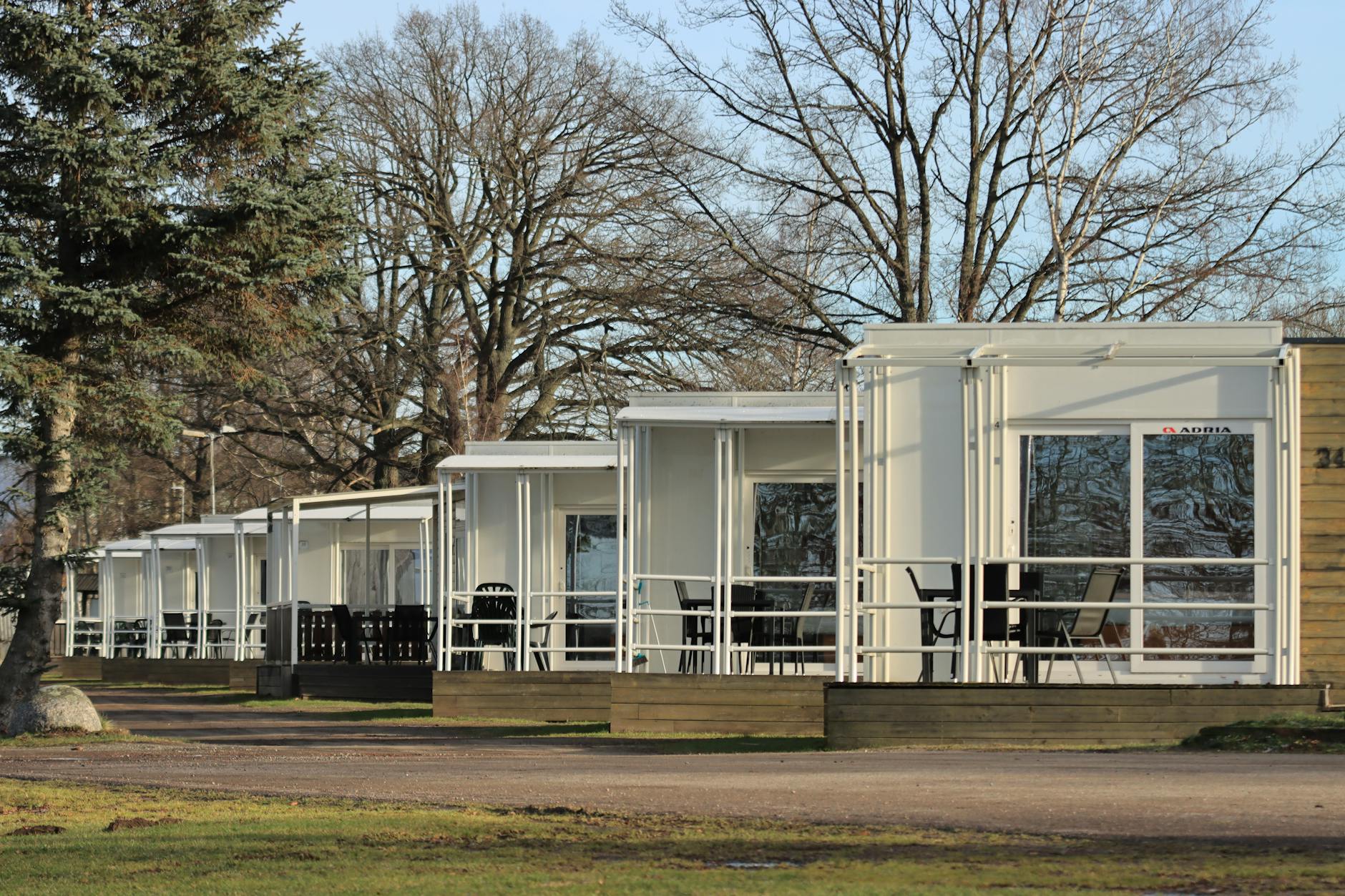
Hook: A Simple Path to Real Estate Cash Flow
If you’ve watched critics chase big, flashy deals but never seemed to find the right fit, you’re not alone. The quiet power in real estate often comes from something simpler: basic, starter rentals that build steady cash flow. Think of a small, manageable collection of rental homes that you own free and clear or with straightforward loans, each one contributing a reliable stream of income. When you add them up, the numbers aren’t tiny. They can add up to a substantial yearly cash flow, sometimes in the six-figure range, with the right planning and discipline.
Today, we’ll break down how to identify, finance, and grow a portfolio of basic, starter rentals that build cash flow over time. You’ll see practical borrower stories, loan types that fit a starter plan, and step-by-step math you can replicate. The goal is clear: a dependable, growing stream of income that you control, backed by real property and solid loan choices.
What Makes Basic, Starter Rentals So Appealing
Basic, starter rentals that focus on simplicity tend to be easier to manage. They usually involve:
- Single-family homes or duplexes in stable neighborhoods
- Lease terms that bring in consistent rent each month
- Lower maintenance surprises (common issue areas are known and budgeted)
- More predictable occupancy with solid tenant screening
When you combine these traits with disciplined financing, you get a portfolio that’s kinder to your time, money, and nerves. It’s not a get-rich-quick scheme. It’s a deliberate plan to turn real estate into long-term cash flow.
The Financing Ladder for Starter Real Estate Wins
Financing basic, starter rentals that build cash flow is about choosing loans that fit your plan and your timeline. Here are common options and how they’re typically used in a starter portfolio:
- Conventional investment property loans: These are the standard path for many investors. Expect higher down payments (often 15-25% depending on your credit and debt load) and higher interest rates compared with primary residences. They’re reliable and easy to refinance later.
- DSCR loans (Debt Service Coverage Ratio): A popular tool for investors who want to finance based on projected rental income rather than personal income. Lenders look at the property’s income relative to its debt service. A DSCR above 1.25 is a common target; the higher, the safer the loan.
- Portfolio or blanket loans: When you’re growing, lenders may offer a single loan that covers several properties. This can simplify payments and can help you scale faster, though terms vary by lender.
- Fannie Mae/Freddie Mac rental properties programs: These are established routes for conventional investment properties with set guidelines. Down payments can be moderate, and loan processes can be predictable.
- Seller financing or owner financing: In some markets, sellers may offer financing terms if you’re a serious, well-prepared buyer. This can reduce closing drama and speed up acquisition, but terms vary widely.
How to Build a Portfolio of Basic, Starter Rentals That Cash Flow
Let’s move from theory to practice. Here’s a practical framework to assemble a portfolio that can generate meaningful cash flow over time. The plan emphasizes careful buying, steady management, and debt discipline.
1) Start with a modest, reliable footprint
Begin with 2–3 homes in affordable markets that you understand. Look for properties with low maintenance costs, good schools, and stable rental demand. Use conservative rent estimates and cushion for vacancies and repairs. A common starter goal is to achieve roughly $12,000–$15,000 in annual net cash flow per property after typical expenses, but this varies by market. The idea is to pick properties that fit a simple, repeatable model so you can scale without surprises.
2) Use loans that fit your growth timeline
When you’re just starting, you don’t have to put all your eggs into one basket. A mix of loan types can help you grow while keeping risk in check. For example, you might begin with a conventional loan on the first property, then add DSCR financing for the rest as you build your rental income stream. The key is to align loan terms with your cash flow projections and your comfort with risk.
3) Plan for vacancies and repairs from day one
No rental plan survives the first year without some empty units and maintenance. A standard rule of thumb is to budget for 5–8% of gross rent to cover vacancies and 5–10% for maintenance. If your rents total $100,000 a year, set aside $5,000–$8,000 for vacancies and $5,000–$10,000 for upkeep. Starting with realistic buffers helps you avoid selling a property or cutting services during lean months.
4) Stack properties toward a cash-flow target
Suppose you aim for about $120,000 in annual net cash flow from a group of starter rentals that you’ll grow over time. A straightforward way to approach this is to target nine smaller properties—each generating roughly $12,000–$13,000 per year in net cash flow after debt service and expenses. If you can reach paid-off properties along the way, the cash flow improves even further because there’s less debt to pay each month.
Three Scenarios for Reaching $120,000 in Annual Cash Flow
Numbers help turn dream into plan. Here are three realistic pathways you can consider. All assume you start with a modest portfolio and operate with discipline, good tenant screening, and steady reinvestment of cash flow.
Scenario A: Nine paid-off starter rentals
Assume nine single-family homes in affordable markets, each renting for about $1,350 per month. If the properties are paid off, monthly cash flow per property might look like $1,350 minus basic costs (taxes/insurance/maintenance). After reserves, you could aim for roughly $12,000–$13,000 per property per year in net cash flow. Nine properties could then yield about $108,000–$117,000 annually. This pathway is simple and low-stress for some investors who prefer steady, mortgage-free income.
Scenario B: Leveraged starter portfolio with a DSCR focus
Start with 4–5 properties financed with conventional loans and a DSCR loan for a couple more. Suppose total annual net cash flow after debt service and expenses runs around $90,000–$110,000. With a plan to add two more properties each year and using cash flow to fund down payments, you could push the yearly cash flow beyond $120,000 within 3–5 years.
Scenario C: Step-by-step build with a 3-year horizon
Begin with 2–3 affordable rentals, reinvest cash flow to bring in 1–2 more properties each year, and layer on a DSCR loan for management-friendly growth. By year 3, you could have 6–8 properties with a mix of paid-down and mortgaged assets, generating a total net cash flow in the $100,000–$130,000 range, depending on rents and expenses.
Risk Management: Protecting Your Cash Flow
Even the best plans face headwinds. Here are practical steps to protect the income stream from basic, starter rentals that build cash flow:
- Vacancy risk: Maintain a 95% occupancy goal by marketing effectively, using good tenant screening, and keeping property well-maintained.
- Interest rate risk: If you’re on adjustable-rate financing in your early years, plan for rate increases by keeping a cash cushion and locking in fixed-rate options when feasible.
- Maintenance and capex: Create a 5–10 year capex plan for big-ticket items (roofs, HVAC, appliances) and allocate a maintenance reserve of 5%–10% of gross rents.
- Legal and tax clarity: Use a simple, defensive structure (such as an LLC) to separate personal risk from rental assets and consult a tax advisor to maximize deductions like depreciation and mortgage interest where allowed.
Tax, Structure, and Ownership: Making It Stick
There’s more to success than cash flow. A smart tax and ownership structure helps protect you and keeps more money in your pocket. Common moves include:
- Asset protection: An LLC or a series of LLCs can shield personal assets if something goes wrong on a property. Separate properties into different entities if feasible for your situation.
- Depreciation: Real estate offers depreciation deductions that can reduce taxable income. A tax professional can help you maximize this benefit while staying compliant.
- Tax planning around cash flow: Plan for quarterly estimated taxes if your net income is substantial and not fully covered by withholdings.
Getting Started Today: A 90-Day Action Plan
- Define your target market: Choose 1–2 neighborhoods with stable employment, schools, and rental demand.
- Crunch the numbers: Build a simple cash-flow model for 3–5 potential deals. Include rent, taxes/insurance, maintenance, and debt service with a conservative vacancy rate.
- Secure a loan pre-approval: Talk to lenders about DSCR loans and conventional investment property loans. Get pre-approved to know what price range fits your plan.
- Start small: Buy 1–2 properties in the first 90 days if the math looks solid, then reinvest cash flow to fund more acquisitions.
- Set up systems: Tenant screening, a simple bookkeeping system, and a basic maintenance calendar help you stay on track.
Conclusion: The Real Value of Basic, Starter Rentals That Cash Flow
The power of basic, starter rentals that build cash flow isn’t flashy, and it doesn’t require a miracle. It requires a plan, disciplined execution, and the right financing mix. By focusing on solid properties in stable markets, using loan products that fit your growth, and keeping a strong reserve, you can craft a portfolio that pays you reliably year after year. The path to six-figure cash flow can start small and scale up as you prove the model. Stay patient, stay prudent, and let the math guide your decisions.

Frequently Asked Questions
Q1: What exactly are basic, starter rentals that build cash flow?
A1: They are simple, easy-to-manage rental homes—typically single-family homes or small multifamily units—in dependable neighborhoods. The focus is on reliable rents and predictable maintenance so the cash flow is steady and scalable.
Q2: What loan types work best for starting a rental portfolio?
A2: Conventional investment property loans, DSCR loans (which base affordability on the property’s income), and occasional seller financing. Each has trade-offs for down payment, rate, and qualification. Start with DSCR if you want to minimize reliance on personal income during the early growth phase.
Q3: How much down payment is needed to begin?
A3: Down payments often range from 15% to 25% for investment properties, depending on the loan type and lender. A larger down payment can improve terms and reduce monthly payments, making cash flow easier to manage.
Q4: How long does it take to reach $120,000 in annual cash flow?
A4: It varies by market and your pace, but a practical goal is 3–5 years for a disciplined investor who builds a mix of paid-down and mortgaged properties, reinvests cash flow, and uses a steady acquisition plan.
Q5: What’s the easiest way to protect cash flow from vacancies?
A5: Target high occupancy with good property condition and responsive management, keep a robust vacancy reserve (5–8% of gross rent), and build a simple tenant screening process that reduces turnover and late payments.
Discussion