Why 2026 Is a Promising Year for First-Time Real Estate Investors
Jumping into rental properties can feel like stepping into a new world. You’re balancing loan terms, maintenance, tenant screening, and succession planning all at once. Yet the math can be incredibly favorable for beginners who choose the right property type and financing strategy. In 2026, mortgage rates have cooled from their peak, lenders are offering more transparent programs for first-time buyers, and inventory is starting to normalize in many regions. The key is understanding the kinds of properties that typically require less upfront risk while delivering steady cash flow.
For many new investors, the answer to the question of the best types rental properties is not about chasing flashy high-end assets. It’s about finding properties that blend predictable rents, manageable maintenance, and financing options that align with your budget. This guide focuses on practical, beginner-friendly property types, backed by numbers, scenarios, and concrete steps you can take in 2026.
What Are the Best Types Rental Properties for Beginners?
When you’re just starting out, you want properties that are easy to finance, simple to manage, and resilient in downturns. The best types rental properties for beginners typically fall into a few categories that balance risk, reward, and learning curve. Below are the top options, with real-world considerations and example scenarios to illustrate how each type plays out.
1) Single-Family Homes: The Classic Starter Property
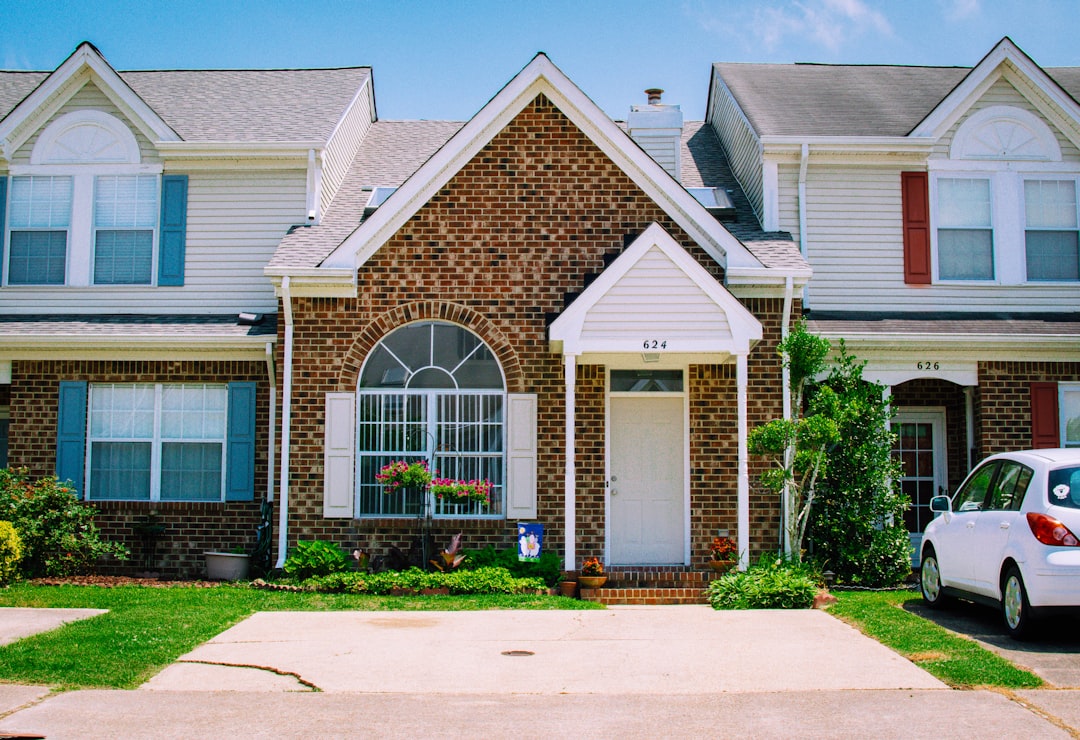
Single-family homes (SFHs) have long been the entry point for many new landlords. Why? They’re familiar, easier to finance, and their maintenance tends to be straightforward. A well-chosen SFH can deliver reliable rents, simple tax reporting, and a predictable tenant pool—often a family or couple looking for a stable, long-term home.
Pros: Lower vacancy risk when well located, straightforward management, familiarity for first-time buyers, broad financing options (FHA, conventional, VA in certain cases).
Cons: Financing can be sensitive to interest rate swings; cash flow per unit tends to be smaller than multifamily in high-priced markets; if repairs surface, they can be costly because you own the whole structure.
Numbers to consider: If you buy a $320,000 SFH with a 20% down payment, your loan is $256,000. At 6.5% APR for a 30-year fixed, principal and interest would be about $1,620 per month. If the market rents the home at $2,800 monthly, you’re looking at roughly $1,180 before taxes, insurance, maintenance, and reserve funds. Realistic cash flow for a strong market can hit $200–$400/month after all expenses.
Tip for beginners: Look for SFHs in, or near, appreciating submarkets with solid schools, access to transit, and growing job bases. These factors tend to support rental demand and steady appreciation over time.
2) Small Multifamily Properties: Duplexes, Triplexes, and Quadplexes
Small multifamily buildings—often a duplex, triplex, or fourplex—combine the simplicity of SFHs with the risk mitigation of multiple rental units. They’re a favorite for beginners who want better cash flow without stepping up to a large apartment complex.
Pros: Higher total rents than a single home, built-in diversification (if one unit is vacant, others still generate income), more favorable loan terms under residential programs for up to 4 units when owner-occupied.
Cons: Management can become more involved as units multiply; maintenance contracts and HOA rules (if applicable) may complicate operations; if you’re not owner-occupying, lender terms can be stricter.
Financing tip: Conventional loans through Fannie Mae or Freddie Mac allow owner-occupied multifamily loans up to four units with down payments typically in the 15–25% range for seasoned buyers. For investors who don’t plan to live on-site, commercial loans or portfolio lenders may be required, often with higher down payments and different reserves requirements.
Example: A duplex in a Midwestern market selling for $420,000 could be financed with 20% down ($84,000) and a 30-year fixed at around 6.2% APR. A $336,000 loan would carry roughly $2,020 in P&I monthly. If both units rent for $1,800 each, gross rent is $3,600, yielding roughly $1,580 in gross monthly cash flow before taxes, insurance, maintenance, and reserves. After accounting for those costs, you might net $350–$650 per month, depending on local taxes and insurance.
Starting points: Look for properties with newer roofs, solid foundation, and low-mileage HVAC systems to minimize immediate capex. Partner with a local real estate agent who specializes in investment properties to identify underpriced units that cash flow well once upgraded.
3) Accessory Dwelling Units (ADUs) and Converted Spaces
ADUs—whether a detached backyard unit or a finished basement—offer an affordable way to boost rent without purchasing a bigger building. For beginners, ADUs can significantly improve cash flow on properties you already own or plan to buy as a single-family home with an additional income stream on the side.
Pros: Higher rent-per-square-foot, optional on-site management, flexibility to scale as you grow your portfolio, potential to convert back if market conditions change.
Cons: Zoning and permitting hurdles in some areas; construction costs; potential for higher maintenance and utility complexity when two living spaces share systems.
Affordability angle: A $350,000 SFH with a $70,000 ADU renovation can push total cost to $420,000, but you may be able to increase rent by $600–$1,000 monthly for the additional unit, depending on local demand. If the ADU is permitted and well-designed, you may be able to maintain a favorable cap rate while diversifying income sources.
4) Turnkey Properties: Ready-to-Rent With Moderate Repairs
Turnkey properties are homes that have already been renovated and are ready for tenants. They’re a popular option for investors who want to minimize renovation risk and start collecting rent quickly. The trade-off is paying a premium for convenience, which can compress initial returns.
Pros: Faster path to cash flow, less day-to-day rehab work, potential to partner with a turnkey provider who handles much of the management setup.
Cons: Higher purchase price, potential concerns about hidden repair needs if due diligence is rushed, ongoing management fees if you use a property manager associated with the turnkey vendor.
Due diligence: Run a pro forma that includes property management costs, maintenance reserves of 5–10% of gross rent, and a realistic cap rate target of 5%–8% in many markets. Compare turnkey costs against buying a similar unrenovated property and handling renovations yourself if you’re comfortable with the project management side.
5) Short-Term Rentals: A Cautionary but Possible Path for the Right Market
Short-term rentals (STRs) like Airbnb and Vrbo can deliver impressive cash flow in popular tourist destinations or business hubs. However, they require more hands-on management, consistent regulatory compliance, and sometimes higher insurance costs. For beginners, STRs are best attempted in markets with strong demand, predictable occupancy, and clear regulatory guidelines.
Pros: Higher rents per night can translate into substantial monthly income; flexible occupancy can adapt to seasonality; potential for strong appreciation in high-demand areas.
Cons: Regulatory risk (permits, caps, taxes), more frequent turnover and cleaning costs, higher management effort, potential mortgage restrictions on non-primary residence usage.
Reality check: In some markets, STR occupancy may only sustain 60–70% year-round, which reduces monthly cash flow. If your local rules allow STRs and you can manage the operations, STRs can be lucrative—but treat them as a distinct plan with dedicated systems for pricing, housekeeping, and guest communication.
How Financing Shapes the Best Types Rental Properties for Beginners
Financing is the true backbone of which property types are realistically achievable for a first-time investor. The right loan can unlock a larger multi-unit purchase, while a misstep can hamper your early cash flow. Here are the core financing realities you should know as you evaluate the best types rental properties for your situation.
Owner-Occupied vs. Investment Loans
In many markets, you can secure favorable terms on up to four units if you intend to live in one of them. These owner-occupied loans typically offer lower down payments (as low as 3–5% for qualified buyers in some programs) and lower interest rates compared with straight investment loans. If you’re confident you can comfortably live on-site for a year or more, this route can substantially lower your upfront costs.
If you plan to buy a true investment property (no owner-occupancy), expect higher down payments—commonly 20% or more—and a robust debt service coverage ratio (DSCR) requirement from lenders. DSCR is essentially your net operating income divided by debt service; a DSCR above 1.25 is often a target for lenders.
Loan Programs to Consider
- Conventional fixed-rate loans for up to 4 units when owner-occupied; typically require 5–25% down, depending on credit score and loan-to-value terms.
- FHA loans (3.5% down) for owner-occupied properties, but limited to primary residences and specific occupancy requirements. Not always available for multi-unit investors without living in one unit.
- VA loans for veterans with 0% down on qualifying purchases, including some multi-unit properties when owner-occupied.
- Portfolio and local bank loans that may offer more flexible terms for investors with a smaller footprint or unique property types, often with higher rates or additional reserves.
Budget for reserves: lenders often want 3–6 months of mortgage payments in reserve for investment properties, and 2–3 months if you’re living on-site in an owner-occupied unit. Reserve funds help cover vacancies, repairs, and unexpected maintenance—these are critical for beginners who are building a safety margin into their plan.
Debt, Cash Flow, and the 2026 Landscape
Interest rates can swing, but the math matters more than the headline rate. A rough rule of thumb is to keep your:
- Cash-on-cash return (annual cash flow divided by your total cash invested) in the 6–12% range for conservative bets in solid markets.
- Cap rate around 4–8% depending on market risk and property type.
- Debt service coverage ratio (DSCR) above 1.25 for investment loans to keep lenders comfortable.
Example: If a fourplex nets $2,500 per month after operating expenses, that’s $30,000/year. If your total cash invested (down payment, closing costs, initial repairs) is $140,000, your cash-on-cash return is roughly 21% before taxes. In reality, property taxes, insurance, and maintenance will trim that figure, so use conservative estimates for planning.
Real-World Scenarios: What Beginners Can Expect in 2026
Realistic expectations are essential for long-term success. Let’s walk through two representative scenarios to illustrate how the best types rental properties can play out in current market conditions.
Scenario A: A First-Time Buyer Picks a Duplex in a Slower-Growth Market
Buyer profile: 30-year-old professional, $90,000 annual income, strong credit. They find a duplex in a mid-sized city zone with good schools, a growing employer presence, and reasonable rents.
Purchase: $420,000 duplex; down payment 20% ($84,000); loan amount $336,000; 30-year fixed at 6.0%.
Rent and expenses: Each unit rents at $1,600/month; total gross rent $3,200. Estimated monthly expenses: P&I $2,020, taxes $300, insurance $100, maintenance reserve $200, property management (optional) $0–$300 depending on whether they hire someone or handle themselves.
Cash flow: After P&I and estimated expenses, monthly cash flow around $450–$700. Annual cash flow before taxes: $5,400–$8,400. This kind of result demonstrates why small multifamily can be a sweet spot for beginners aiming to build a portfolio without massive upfront capital.
Scenario B: A Turnkey Single-Family Home in a Growing Suburb
Buyer profile: 45-year-old investor, working full-time, wants a low-maintenance entry into real estate. They search for a renovated property with a strong property manager partner.
Purchase: $360,000 turnkey SFH; down payment 25% ($90,000); loan amount $270,000; 30-year fixed at 6.25%.
Rent and expenses: Rent at $2,400/month; P&I about $1,670; taxes $300; insurance $90; maintenance reserve $150; property management $180.
Cash flow: Approximately $10,000–$12,000/year before taxes. The turnkey approach reduces rehab risk and significantly cuts day-to-day management time, making it attractive for busy beginners who want steady income and less guesswork.
Managing Risk: A Practical Roadmap for Beginners
Choosing the right property type is only half the battle. The other half is putting a risk-management plan in place so the venture remains sustainable through vacancies, market swings, and maintenance surprises.
First, Build a Realistic Budget and Reserve Plan
Set aside a monthly reserve equal to at least 5–10% of gross rent for each property. In a $2,000 monthly rent scenario, reserve $100–$200 monthly. This cushion helps cover vacancies (typical national vacancy rate hovers around 8–12% for rentals, depending on market), minor repairs, and incidental expenses that aren’t part of the regular bills.
Second, Screen Tenants Rigorously
Good tenants make everything easier. Run credit and background checks, verify income with pay stubs or bank statements, and call previous landlords when possible. A clear, consistent screening process reduces turnover and the risk of nonpayment—a key concern for new investors in any property type.
Third, Plan for Maintenance Like a Pro
A strong maintenance plan includes routine inspections, a preventive maintenance schedule, and a trusted network of contractors. For small properties, budget for 5–10% of gross rents annually for maintenance. For ADUs or recently renovated properties, you may be able to push that lower if major systems are newer and under warranty, but always be prepared for creeping costs as a building ages.
Fourth, Leverage Your Local Market Knowledge
What works in one city may fail in another. Study job growth, school rankings, and new business openings in your target area. Use public data to assess rent growth over the last five years and the pace of new housing supply. The best types rental properties thrive where demand is steady and supply is limited enough to keep rents rising gradually.
Tax Considerations: Turning Owning into a Wealth-Building Tool
Real estate offers several tax advantages that can boost the appeal of the best types rental properties for beginners. Key benefits include mortgage interest deductions, depreciation, and potential benefit from pass-through taxation in certain entities. It’s wise to work with a tax advisor who can tailor a plan to your situation and explain how depreciation works for multi-unit properties versus single-family homes. A disciplined approach to tax optimization can improve your after-tax cash flow and long-term wealth trajectory.
Putting It All Together: A Simple Plan to Get Started
Even with a strong plan, many beginners stall at the first step: identifying a property and getting qualified to purchase. Here’s a practical, step-by-step plan you can act on now to pursue the best types rental properties in 2026.
- Clarify your budget and loan strategy: Determine your maximum total investment (down payment plus closing costs) and whether you’ll pursue owner-occupancy to access favorable terms. Run a few loan pre-approvals to understand your real limits.
- Choose your property type and market: Decide whether you want a duplex, a turnkey SFH, or a single-family home with an ADU. Use local rent comps to estimate cash flow and pick a market with steady demand and reasonable price growth.
- Calculate cash flow precisely: Build a pro forma that includes taxes, insurance, maintenance, management, and reserves. Ensure your expected cash flow remains positive even if vacancy hits 8–12% of the year.
- Make a solid offer with a realistic contingency: Include a financing contingency and a property inspection contingency to protect yourself if issues arise during due diligence.
- Plan for growth: Start with one property and a plan to scale. Set a three-year target to acquire a second property if your first one performs as expected.
Frequently Asked Questions About the Best Types Rental Properties
FAQ
Q1: What are the best types rental properties for beginners?
A1: For many beginners, single-family homes and small multifamily buildings (duplexes, triplexes, quadplexes) are the most forgiving entry points. They balance financing options, manageable maintenance, and solid cash flow while teaching the fundamentals of property management.
Q2: How should I budget for a rental property purchase?
A2: Plan for a down payment of 3–25% depending on loan type and occupancy. Add closing costs (2–5%), moving costs, and a minimum reserve of 3–6 months of mortgage payments. Build a maintenance reserve of 5–10% of gross rent annually to handle repairs and vacancies.
Q3: Is a turnkey property a good starting point?
A3: Turnkey can be a smart starting point if you want to minimize rehab work and start collecting rent quickly. Yet it often carries a higher purchase price. Do thorough due diligence: verify recent renovations, confirm a reliable property manager, and compare projected returns against acquiring a similar unrenovated property and doing the work yourself.
Q4: How does financing differ for owner-occupied vs. investment properties?
A4: Owner-occupied loans usually require lower down payments and offer favorable rates. Pure investment loans demand higher down payments and stricter reserves, but they give you full ownership of the asset and may come with different underwriting criteria like DSCR. Your lender will help you navigate the best option for your situation.
Conclusion: Start Simple, Then Scale with Confidence
For many aspiring landlords, the path to financial independence through real estate begins with clarity about the best types rental properties that align with your goals, budget, and tolerance for day-to-day management. Single-family homes, small multifamily properties, and thoughtfully planned ADU projects offer the right balance of cash flow, risk, and learning opportunities for beginners in 2026. Financing matters as much as the property itself: the right loan, a prudent reserve, and a disciplined approach to screening tenants and maintaining the asset are your best tools for building a durable, scalable portfolio.
Take the first step by getting pre-approved, researching a few select markets, and building a straightforward pro forma for a property you can buy within the next 60 days. With careful planning and steady execution, you can turn the idea of rental investing into a practical and profitable reality.
Discussion