Market Pulse: Rental-Heavy Build Push Continues in Q4 2025
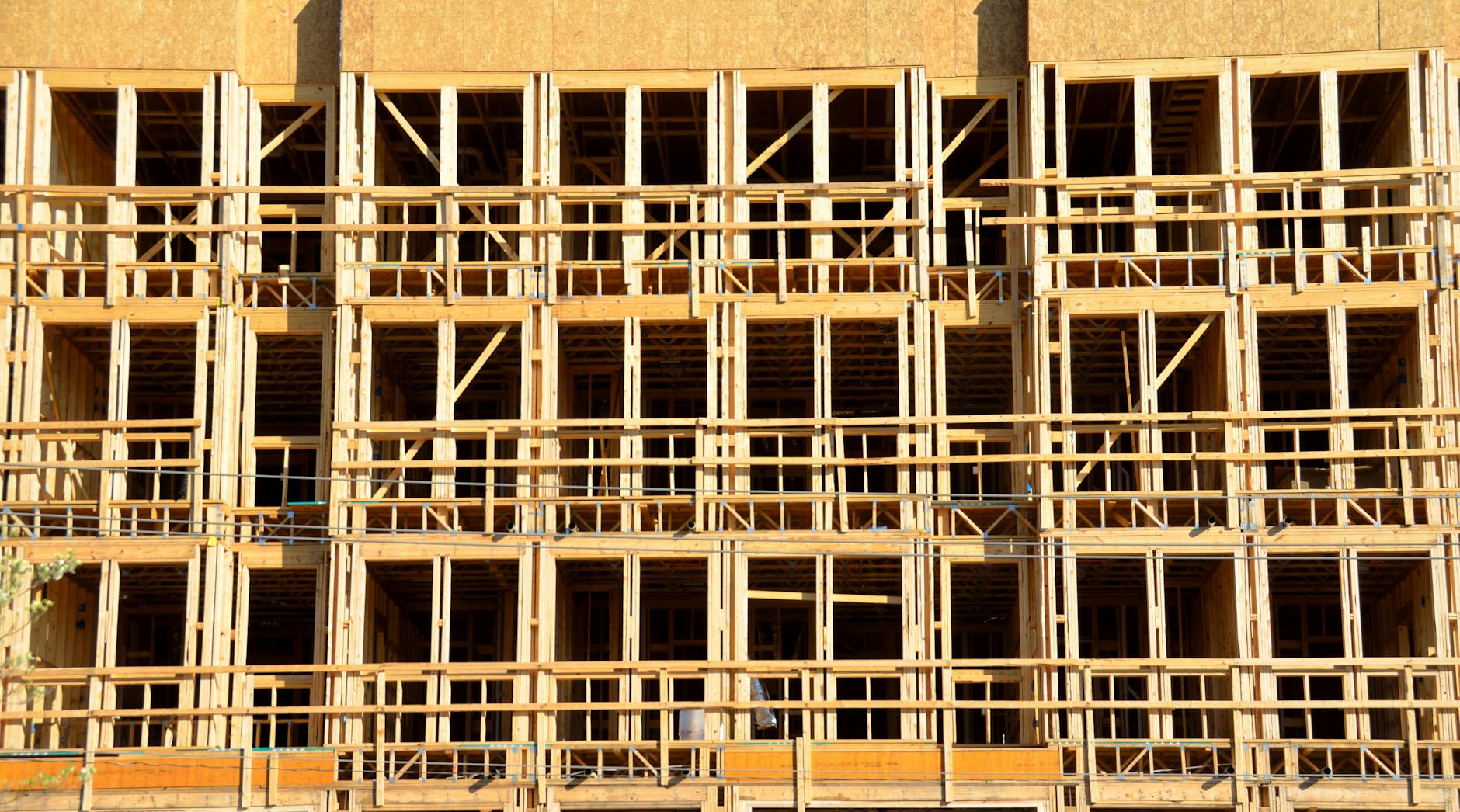
The built-for-rent multifamily starts jump in Q4 2025 underscores a persistent shift toward rental housing as the housing cycle winds through year-end. A NAHB analysis of Census Bureau data shows developers pushed a large majority of new multifamily projects toward rentals, even as apartment construction remains below pre-Great Recession norms. The quarter’s pace suggests the rent-first phase of the housing cycle stayed firmly in place as the market entered 2026.
In the fourth quarter, builders started 96,000 multifamily units nationwide. Of those, 91,000 were planned for rent, a surge that translates to an 18% increase from Q4 2024. The rental-heavy composition means roughly 95% of all multifamily starts in the quarter were rental product, one of the highest shares on record. The condo segment remained weak by comparison, with 6,000 condo starts in Q4 2025, flat versus a year earlier.
NAHB Chief Economist Robert Dietz framed the numbers as a clear signal for the market direction. "Rental-focused projects remain dominant in the pipeline, and the condo side is in a slower gear," he said. The data also hint at how developers are shaping the market: rental demand and affordable design criteria are influencing product mix and building practices.
Key Statistics From Census and NAHB
- Total multifamily starts in Q4 2025: 96,000
- Starts built for rent: 91,000 (up 18% year over year)
- Rental share of starts in the quarter: 95%
- Condo starts in Q4 2025: 6,000 (flat year over year)
- Average size of a multifamily unit started: 1,068 square feet
- Median size of a multifamily unit started: 1,048 square feet
- Historical rental share context: about 80% of starts (1980–2002) vs 47% share during the condo boom in 2005
Why Builders Are Focusing on Rentals
The built-for-rent multifamily starts jump points to fundamentals that favor rental product: steadier cash flow, broader demand in high-cost markets, and financing conditions that reward long-term tenancy. While buyers faced higher mortgage costs and tighter credit in recent years, landlords and developers have found rental housing to be a more resilient revenue stream, particularly in markets with strong job growth and population inflows.
Dietz emphasized that the rental tilt is not just about current demand; it also shapes what gets built. In his analysis, the rental pipeline drives the scale and design of new projects, pushing toward smaller, more accessible units and layouts that appeal to renters rather than buyers. This dynamic, he noted, helps explain why average unit sizes haven't rebounded to pre-crisis norms despite higher overall construction activity.
The built-for-rent multifamily starts jump and its design implications suggest a long tail of rental-dominant development. As developers balance land costs, construction expenses, and financing, the rental path remains the most predictable growth engine for many building firms and lenders alike. The condo market, by contrast, appears to be navigating a slower cycle in several primary markets, which in turn influences capital allocation decisions across the industry.
Implications for Lenders and Developers
Financial institutions watching the fourth-quarter data see a clear signal: loan products tied to rental multifamily projects may stay in higher demand as borrowers prioritize stability and debt service coverage in volatile times. The concentration of starts in the rental segment lowers some risk for lenders tied to long-term leases and predictable occupancy, but it also concentrates risk in markets with rent performance tied to job growth and local economy health.
Developers are likely to continue favoring rental product in the near term, given the current financing landscape and demand in job-rich regions. Smaller units and modular construction techniques could see broader adoption as a way to manage costs and speed up delivery while maintaining affordability. For lenders, the key will be underwriting that blends rental occupancy projections with local market demand and supply dynamics, ensuring that the rental focus translates into solid debt service coverage and sustainable cash flow over the life of the loan.
What This Means for the Housing Market in 2026
The built-for-rent multifamily starts jump in Q4 2025 points to continued pressure on the rental market, even as total supply climbs. Markets with robust job growth, favorable demographics, and high housing costs are likely to see sustained rental demand as new units come online. For policymakers and investors, the trend reinforces the need to monitor rent levels, affordability, and income growth to gauge how the rental market absorbs new supply without overheating.
As the condo market remains muted, developers may reallocate capital toward rental projects with price points designed to attract renters who seek convenience and value. The long-term trajectory remains uncertain, but the latest data indicate that the rental component of the housing market remains the dominant force shaping development decisions, pricing, and financing strategies in 2026.
Data Snapshot
- Total multifamily starts in Q4 2025: 96,000
- Starts built for rent: 91,000 (up 18% YoY)
- Rental share of starts: 95%
- Condo starts: 6,000
- Average unit size started: 1,068 sq ft
- Median unit size started: 1,048 sq ft
- Historical context: rental share averaged around 80% (1980–2002); 47% during the 2005 condo boom
In short, the built-for-rent multifamily starts jump in Q4 2025 reinforces a housing market where rental product remains the core driver of new construction. As lenders and builders adjust to this reality, the emphasis on rental design and affordability is likely to persist well into 2026.

Discussion