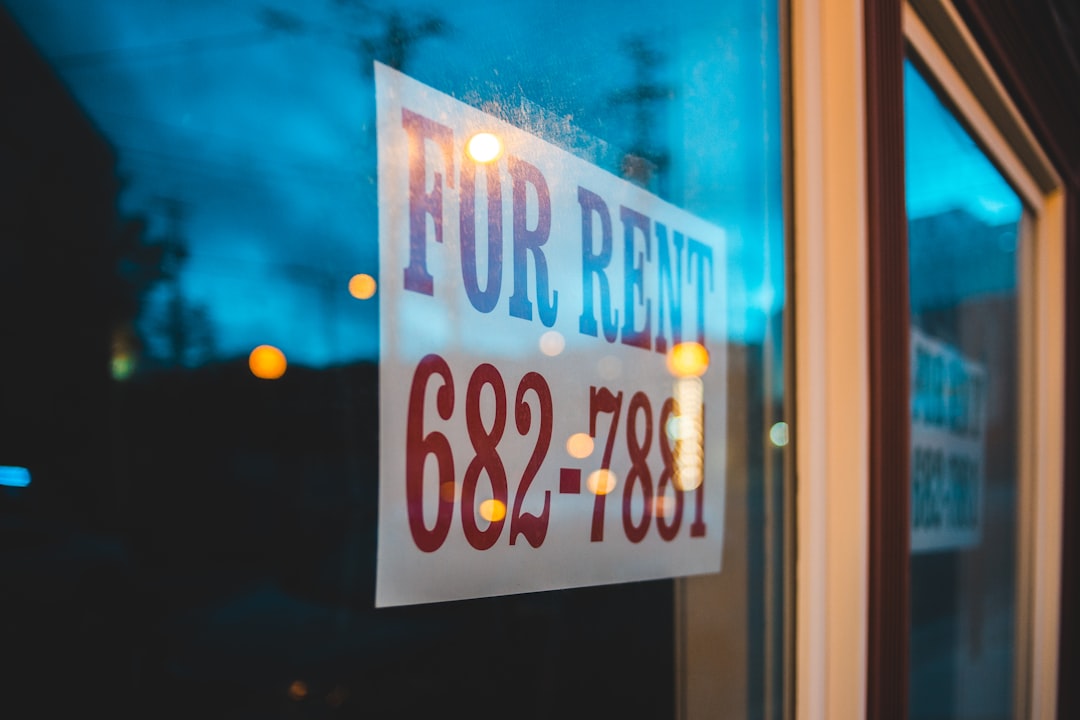
Introduction: Why Cash-Flowing Rentals 2026 Are Still Within Reach
Many aspiring investors look at 2026 and worry that high mortgage costs will block their path to cash-flowing rentals. The truth is more nuanced: the math can be favorable if you approach deals with precision, creativity, and a plan that aligns with today’s financing landscape. You can still build a portfolio that generates reliable monthly cash flow, even as rates stay elevated. This guide walks you through practical steps, real-world scenarios, and actionable tips to turn high rates into a solvable puzzle rather than a roadblock.
Why 2026 Is Not a Dead End for Cash-Flowing Rentals
High rates can compress margins, but they also push rents higher and demand smarter financing. Investors who focus on fundamentals—positive cash flow, manageable risk, and scalable strategies—often outperform in environments where many beginners throw in the towel. In 2026, the key levers are location choice, deal structure, and disciplined financial planning.
- Prices may pause in some markets, but rents continue to rise in many areas with strong job markets.
- Financing options have evolved. You can unlock cash flow through DSCR loans, seller financing, and well-timed refinances.
- Operational efficiency matters more than ever. Cleaning up maintenance costs and avoiding vacancies can dramatically affect cash flow.
Step 1: Build a Deal Mindset for Cash-Flowing Rentals 2026
Approach every property with four core metrics in mind: cash flow, cap rate, cash-on-cash return, and the debt service coverage ratio (DSCR). These numbers help you compare deals on an apples-to-apples basis, especially when rates are high.
- Cash flow = monthly rent minus all monthly expenses (PITI, HOA, maintenance, CapEx).
- Cap rate = net operating income (NOI) divided by purchase price.
- Cash-on-cash return = annual pre-tax cash flow divided by your cash invested (down payment, closing costs).
- DSCR = NOI divided by annual debt service. A DSCR of 1.25 or higher is a solid target in 2026.
Step 2: Pick the Right Market for Cash-Flowing Rentals 2026
Not all markets are created equal when rates are elevated. You want markets with strong job growth, stable population, and rents high enough to cover mortgage payments in a 30-year horizon. Look for:
- Rental demand with low vacancy rates
- Rent-to-price ratio that supports positive cash flow even after financing costs
- Regulatory clarity and predictable landlord-tenant laws
Example screen: a market with median home price around $320,000 and average monthly rent of about $2,000–$2,300 can yield a healthy cushion if you finance smartly and limit monthly expenses.
Step 3: Financing Options That Improve Cash-Flowing Rentals 2026
Financing shapes the bottom line more than any other factor. In 2026, several viable paths help you squeeze cash flow from properties even when rates linger higher.

- Conventional fixed-rate mortgages with 20–25% down remain a staple for stability. Expect payments to be higher, but you gain predictability over 30 years.
- DSCR loans are designed for investors who may not have large down payments. They’re underwritten against the property’s cash flow, not just borrower income.
- Seller financing can reduce upfront costs and provide flexible terms. Negotiate a lower interest rate or a balloon that aligns with your refinance plan.
- Interest-only periods during the initial years can improve early cash flow, though you’ll want a plan to convert to principal-and-interest later.
- Lease options and owner financing can unlock deals where traditional lenders won’t approve a loan right away.
Case Study: A Practical Look at Cash-Flowing Rentals 2026
Let’s walk through a realistic example to illustrate how you can land cash-flowing rentals even in a higher-rate environment.
- Purchase price: $320,000
- Down payment: 25% ($80,000)
- Loan: $240,000
- Interest rate: 7.0% on a 30-year fixed
- Estimated monthly payment (P&I): about $1,603
- Taxes + insurance: $350/month
- Maintenance & CapEx: $150/month
- Rent: $2,350/month
Net cash flow calculation: Rent 2,350 minus PITI (1,603 + 350) and maintenance (150) equals roughly $247/month before taxes. If you hire a property manager and reduce vacancies with a conservative 8% vacancy assumption, cash flow could be closer to $250–$300 per month. While not explosive, that’s a positive cash flow starting point in a rate-heavy market, illustrating how cash-flowing rentals 2026 can be achievable with disciplined screening.
Step 4: Structure Deals That Maximize Cash Flow
Creativity in deal structuring is essential when rates are high. Here are structures that can lift your cash flow without taking on excessive risk.

- BRRRR strategy (Buy, Rehab, Rent, Refinance, Repeat) can help you recycle capital and grow cash-flowing rentals 2026 over time. Rehab costs should be kept tight (cap a rehab budget with a 10–15% contingency).
- House hacking on a duplex where the tenant pays rent that covers most or all of your mortgage reduces your personal cash outlay and builds equity faster.
- Wraparound or seller financing arrangements can reduce your upfront costs and tailor payment terms to cash flow needs.
- Lease options or rental options with option-to-buy clauses can attract long-term tenants and provide a path to ownership while maintaining cash flow today.
Step 5: Tax Efficiency and Risk Management for Cash-Flowing Rentals 2026
Taxes and risk controls often determine whether a property is truly cash-flow positive after all costs. The tax code offers legitimate advantages for rental investors, including depreciation and deductions for mortgage interest, property taxes, and operating expenses. However, consult a qualified CPA to tailor strategies to your situation.
- Depreciation allows you to write off the property’s value over 27.5 years for residential real estate, reducing taxable income.
- Deductible costs include mortgage interest, property taxes, insurance, management fees, maintenance, and utilities you pay as the landlord.
- 1031 exchanges can defer capital gains when you reinvest proceeds into like-kind real estate, potentially accelerating growth while preserving capital.
Step 6: Create a 90-Day Action Plan to Start Your Cash-Flowing Rentals 2026 Journey
If you’re starting from scratch, use this compact plan to accelerate your first deal in the cash-flowing rentals 2026 category:

- Week 1–2: Educate yourself on underwriting basics and choose 2–3 target markets with strong rent-to-price dynamics.
- Week 3–6: Get pre-approved or prepare a financing plan with at least 4 options (conventional, DSCR, seller financing, and a potential lease option).
- Week 7–10: Start outreach to local real estate agents, wholesalers, and off-market sellers. Run 3 deals through your modeling worksheet.
- Week 11–12: Make an initial offer on one property with a clear contingency plan for financing and a 30–60 day closing window.
Frequently Asked Questions
Q1: Can I still achieve cash-flow with high rates in 2026?
A1: Yes. By focusing on positive cash flow metrics, shopping flexible financing, and choosing markets with strong rent growth, you can land cash-flowing rentals 2026 even when rates are elevated.
Q2: What is a good DSCR target in a high-rate environment?
A2: Aim for a DSCR of at least 1.25 or higher. This buffer helps you cover debt service during vacancies or rent pauses and keeps your cash flow stable.
Q3: Which financing option usually yields the best 2026 cash flow?
A3: DSCR loans and seller financing often offer the best path to robust cash flow when you lack a large down payment. Conventional loans are reliable but can squeeze cash flow when rates and down payments rise.
Q4: How can I limit risk and protect cash flow?
A4: Use conservative vacancy and maintenance estimates, secure landlord-friendly leases, maintain an emergency fund (at least 3–6 months of expenses), and diversify across markets rather than concentrating all capital in one area.
Conclusion: Turning High Rates Into a Growth Moment for Cash-Flowing Rentals 2026
High rates can feel like an obstacle, but they also create opportunities for disciplined investors who structure deals thoughtfully, screen markets effectively, and optimize financing. By focusing on the core math, embracing creative financing, and building a repeatable process, you can build a portfolio of cash-flowing rentals 2026 that stands up to rate volatility. Start with a solid plan, run the numbers carefully, and use the right financing tools to expand your rental empire despite the challenges of the current lending environment.
Discussion