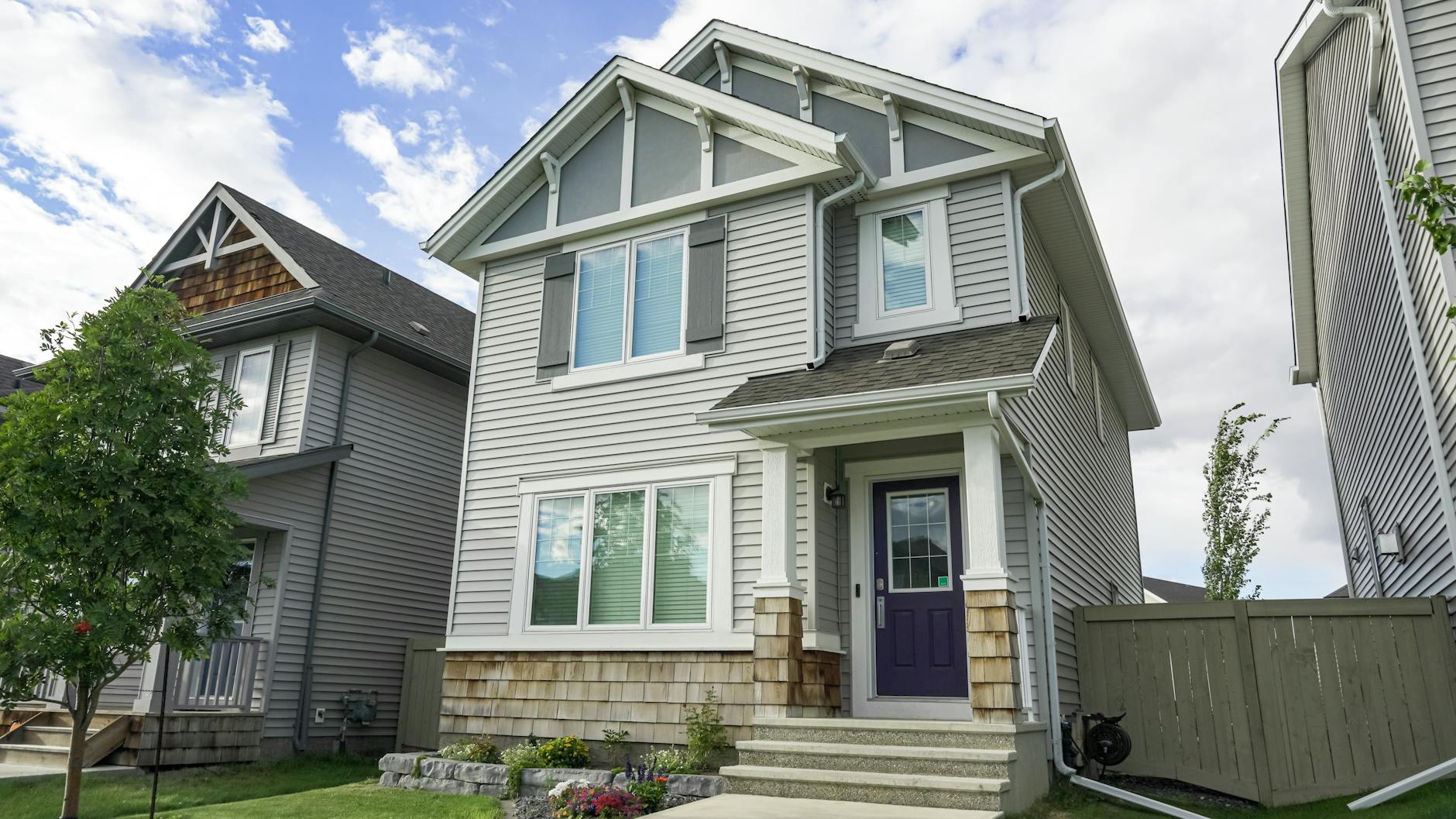
Market Context: Infill Demand Grows as Housing Supply Struggles
In a year when affordable housing remains a top national priority, Clayton’s latest move centers on infill sites and price-conscious buyers. With inventories tight in many metros and mortgage costs hovering at higher levels, builders and governments are seeking denser, more attainable options that fit on constrained parcels. The industry widely views this trend as a critical piece of the broader effort to soften the gap between demand and supply while limiting subsidies.
TRU Mini Homes: Product Details and Niche
Clayton Building Group unveiled its TRU Mini Home Collection, featuring homes under 900 square feet with two- and three-bedroom layouts. The designs are manufactured in Clayton’s HUD-code facilities and purpose-built to sit on narrower lots than conventional manufactured homes, expanding opportunities for land-constrained neighborhoods.
These compact homes blend factory efficiency with site-adapted footprints, aiming to unlock opportunities on parcels that would not pencil out for traditional stick-built homes. The scale is deliberate: smaller footprints, standardized specs, and faster turnover from factory to lot.
Who Benefits: Buyers, Builders, and Communities
- First-time buyers and downsizers gain a foothold in ownership with lower entry costs and predictable design elements.
- Land developers and builders gain a way to increase density on small or oddly shaped lots without major rezoning or costly groundwork.
- Municipalities seeking to boost attainable housing without heavy subsidies may find a practical partner in the mini-home format.
Economic Lens: Why Now for Infill and Mini-Homes
Market conditions in early 2026 continue to reward efficient construction and compact footprints. Mortgage-rate environments, inflationary pressures, and rising land costs have pushed many buyers toward smaller, more affordable options that still deliver ownership value. In this backdrop, the concept of clayton’s mini homes infill has gained traction as a pathway to add density without dismantling existing neighborhoods.
“Clayton’s mini homes infill represents a practical path to ownership on tight lots,” said a Clayton spokesperson. “This approach aligns with today’s demand for attainable housing that can be built quickly and scaled in urban and suburban cores.”
Implementation, Pilot Markets, and Timeline
The TRU Mini Home Collection is positioned to appeal to developers looking for incremental density on smaller parcels and to households seeking entry-level ownership options in markets where land is scarce. The rollout strategy emphasizes:
- Shorter cycle times from factory production to installation on site.
- Standardized floor plans that streamline permitting and construction processes.
- Compatibility with land-planning frameworks that favor compact housing clusters.
While no single price point is publicly disclosed, the sub-900 square-foot format is marketed as an affordable alternative that can lower initial capital outlays for builders and borrowers alike. The initiative also reflects a broader push by factory-built housing to compete for space historically reserved for traditional, detached entry homes.
Market Implications: Density, Affordability, and Long-Term Trends
Analysts say the mini-home strategy may help bridge supply gaps in markets where zoning and land costs limit traditional development. By enabling denser configurations on irregular lots, TRU Mini Homes could unlock parcels that have sat idle for years. The broader implication is a potential shift in how developers approach land assembly and site planning, with a growing emphasis on standardization and modular production.
Industry observers note that the convergence between factory-built and site-built approaches is accelerating. The mini-home segment illustrates how tighter footprints and HUD-code production can shorten cycles and reduce upfront capital requirements, without sacrificing the basic appeal of a standalone home for buyers who value ownership over renting.
As municipal planners, lenders, and developers weigh new housing tools, Clayton’s infill-focused strategy offers a tangible example of how to expand attainable inventory without sweeping subsidies or major tax incentives. The TRU Mini Home Collection may become a barometer for a broader shift toward density-friendly, cost-conscious housing in markets where demand remains resilient but land is scarce.
Looking ahead, the industry will watch how buyers respond to sub-900 sq ft homes and how well these units integrate with existing neighborhoods. If demand proves robust, Clayton’s mini homes infill strategy could accelerate a broader adoption curve for compact, factory-built homes that still carry the ownership dream for millions of Americans.
Discussion